

In the Beginning
An anterior cruciate ligament (ACL) tear is one of the most common knee injuries, particularly among athletes and active individuals. Although ACL reconstruction surgery restores knee stability, the success of the procedure depends heavily on rehabilitation and following your surgeon's instructions.
Whether your injury occurred during football, cricket, badminton, basketball, or a gym workout, understanding the recovery process can help you regain strength, confidence, and mobility while reducing the risk of re-injury. At Shri Ram Hospital, Vikaspuri, our orthopedic and sports medicine specialists provide comprehensive ACL tear treatment in Delhi, including diagnosis, arthroscopic ACL reconstruction, physiotherapy, and sports rehabilitation.
Key Takeaway
Successful ACL recovery depends on a combination of expert surgery, structured rehabilitation, consistent physiotherapy, proper nutrition, and a gradual return to physical activity. Following your recovery plan helps restore knee strength and reduces the risk of future injuries.
Table of Contents
1. Understanding ACL Tear Surgery
2. Why Rehabilitation Is Important
3. ACL Recovery Timeline
4. Tips for Faster Recovery
5. Warning Signs During Recovery
6. Role of Physiotherapy
7. Preventing Another ACL Injury
8. Why Choose Shri Ram Hospital?
9. Frequently Asked Questions
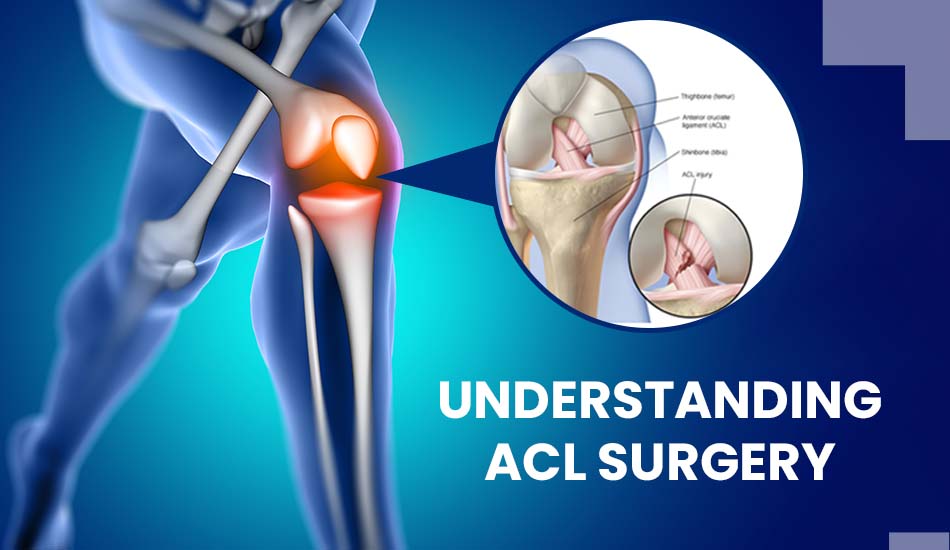
Understanding ACL Tear Surgery
ACL reconstruction is usually performed using arthroscopic (keyhole) surgery, where the damaged ligament is replaced with a graft taken from your own tendon or, in selected cases, donor tissue.
The primary goals of surgery are to:
- Restore knee stability.
- Prevent repeated knee buckling.
- Protect the cartilage and meniscus.
- Enable a safe return to sports and everyday activities.
ACL surgery is commonly recommended for active individuals with complete ACL tears, persistent knee instability, or combined ligament injuries.
Why Rehabilitation Is Just as Important as Surgery
While surgery reconstructs the torn ligament, rehabilitation helps restore normal knee function by improving:
- Knee flexibility.
- Muscle strength.
- Balance and coordination.
- Joint stability.
- Sports performance.
Skipping or delaying physiotherapy may increase the risk of stiffness, muscle weakness, poor balance, and future knee injuries.
ACL Recovery Timeline
First Week
During the first few days after surgery:
- Control pain and swelling.
- Use ice packs as advised.
- Keep the leg elevated.
- Walk with crutches if recommended.
- Begin gentle physiotherapy.
The initial goal is to regain full knee extension while protecting the reconstructed ligament.
Weeks 2–6
Recovery focuses on:
- Improving knee movement.
- Strengthening the quadriceps and hamstrings.
- Gradually increasing weight-bearing.
- Improving walking pattern.
- Reducing swelling.
Months 2–4
Rehabilitation becomes more intensive and may include:
- Balance training.
- Stationary cycling.
- Functional strengthening exercises.
- Stair climbing.
- Controlled jogging when medically appropriate.
Months 6–12
For athletes and highly active individuals, rehabilitation progresses to:
- Running drills.
- Jump training.
- Agility exercises.
- Sport-specific practice.
- Return-to-play assessment.
Many athletes require at least nine months before safely returning to competitive sports, while some may need up to one year depending on their recovery progress.
Tips for Faster Recovery
Follow Your Physiotherapy Program
Consistent physiotherapy is one of the most important factors for restoring knee function and achieving a successful recovery.
Reduce Swelling
- Apply ice as instructed.
- Keep your leg elevated.
- Wear compression garments if recommended.
Strengthen Your Muscles
Your rehabilitation program may include exercises targeting:
- Quadriceps.
- Hamstrings.
- Calf muscles.
- Hip muscles.
- Core stability.
Eat a Healthy Diet
Good nutrition supports tissue healing and muscle recovery.
Include:
- Lean protein.
- Fresh fruits.
- Vegetables.
- Whole grains.
- Calcium-rich foods.
- Vitamin D if advised by your doctor.
Drink adequate water throughout your recovery period.
Avoid Returning to Sports Too Soon
Returning before the reconstructed ligament has healed completely significantly increases the risk of another ACL injury. Clearance should always be based on your surgeon's assessment and functional testing rather than how your knee feels.
Warning Signs During Recovery
Contact your orthopedic surgeon immediately if you notice:
- Increasing swelling.
- Fever.
- Redness around the incision.
- Persistent severe pain.
- Calf pain or swelling.
- Difficulty moving the knee.
- Sudden knee instability.
Prompt medical evaluation helps identify complications early and supports a safer recovery.
How Physiotherapy Helps
Sports rehabilitation is an essential part of recovery and may include:
- Range-of-motion exercises.
- Strength training.
- Neuromuscular training.
- Balance exercises.
- Gait correction.
- Return-to-sport assessment.
Every rehabilitation program should be tailored to the patient's recovery stage and individual goals.
Can You Prevent Another ACL Injury?
To reduce the risk of re-injury:
- Warm up properly before exercise.
- Strengthen your leg and core muscles.
- Improve balance and landing techniques.
- Wear appropriate sports footwear.
- Follow injury-prevention exercise programs.
- Avoid overtraining.
- Return to sports only after medical clearance.
Why Choose Shri Ram Hospital?
Patients seeking sports injury treatment in Delhi choose Shri Ram Hospital because of:
- Experienced orthopedic and sports injury specialists.
- Advanced arthroscopic ACL reconstruction techniques.
- Modern operation theatres.
- Personalized rehabilitation programs.
- Dedicated physiotherapy services.
- Comprehensive sports injury management.
- Multidisciplinary orthopedic care.
- Cashless insurance support.
Frequently Asked Questions (FAQs)
1. How long does ACL recovery take?
Recovery for normal daily activities usually takes several months, while returning to competitive sports commonly requires 6–12 months. Many athletes need at least nine months before safely returning to competition.
2. When can I walk after ACL surgery?
Walking often begins with the support of crutches shortly after surgery. Weight-bearing gradually increases based on your surgeon's protocol and physiotherapy progress.
3. Is physiotherapy necessary after ACL surgery?
Yes. Physiotherapy is essential for restoring knee strength, flexibility, balance, coordination, and long-term joint stability.
4. Can an ACL tear happen again?
Yes. Re-injury is possible, especially if rehabilitation is incomplete or sports activities are resumed before the knee has fully recovered and passed functional testing.