

In the beginning
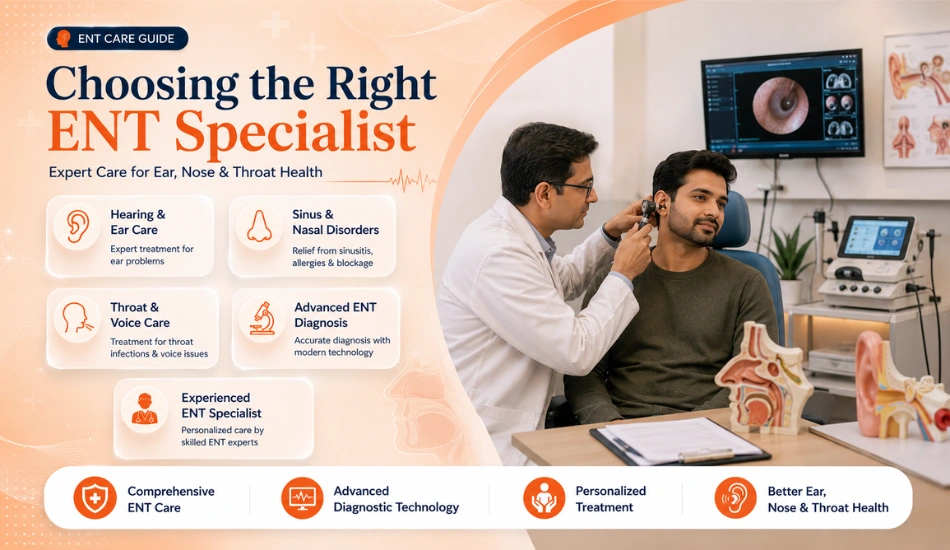
The ear, nose, and throat are closely connected parts of the body that play a vital role in hearing, breathing, speaking, swallowing, balance, and overall quality of life. However, many people ignore common symptoms such as recurring ear pain, blocked nose, sinus headaches, sore throat, snoring, hearing loss, dizziness, or frequent throat infections until they become severe. Choosing the Best ENT Specialist in Delhi can help diagnose these problems early and provide effective treatment before complications develop.
An experienced ENT (Ear, Nose, and Throat) specialist, also known as an Otolaryngologist, is trained to diagnose and treat a wide range of conditions affecting adults and children. From simple infections to advanced endoscopic sinus surgery, hearing disorders, allergy management, thyroid surgery, and voice disorders, modern ENT care combines clinical expertise with advanced diagnostic technology to deliver better outcomes.
This comprehensive 2026 guide explains how to choose the right ENT doctor, common ENT diseases, available treatments, diagnostic procedures, and when you should seek medical attention.
Understanding ENT (Ear, Nose & Throat) Care
ENT is a specialized branch of medicine that focuses on diagnosing, treating, and preventing diseases affecting the ears, nose, throat, head, and neck. Because these organs are interconnected, a problem in one area often affects another. For example, chronic sinus infections may cause headaches, ear pressure, hearing issues, or throat irritation due to postnasal drip.
Modern ENT specialists use minimally invasive procedures, high-definition endoscopy, microscopic ear surgery, hearing assessments, and advanced imaging to accurately diagnose complex conditions.
Why Choosing the Right ENT Specialist Matters
Not every earache or sore throat requires surgery, but proper diagnosis is essential. Choosing a qualified ENT specialist ensures accurate diagnosis, personalized treatment planning, faster recovery, and reduced risk of complications. Experienced specialists also help patients avoid unnecessary medications or procedures while focusing on long-term health outcomes.
Table of Contents
1. Understanding ENT Care
2. Why Choosing the Right ENT Specialist Matters
3. Common Ear, Nose & Throat Disorders
4. Early Warning Signs You Should Never Ignore
5. When Should You Visit an ENT Specialist?
6. Diagnostic Tests Performed by ENT Doctors
7. ENT Treatments Available
8. Pediatric ENT Care
9. Advanced ENT Procedures
10. How to Choose the Best ENT Specialist in Delhi
11. Benefits of Early Treatment
12. Prevention Tips
13. Frequently Asked Questions
Common Ear, Nose & Throat Disorders
ENT specialists diagnose and treat hundreds of conditions affecting patients of all age groups.
| Condition | Description |
|---|---|
| Ear Infection | Bacterial or viral infection causing pain, swelling, and hearing difficulty. |
| Hearing Loss | Partial or complete reduction in hearing ability. |
| Tinnitus | Persistent ringing or buzzing sounds in the ears. |
| Vertigo | Spinning sensation caused by inner ear disorders. |
| Sinusitis | Inflammation of the sinus cavities causing facial pain and congestion. |
| Nasal Allergy | Allergic reactions causing sneezing, itching, and blocked nose. |
| Nasal Polyps | Soft growths inside the nasal cavity affecting breathing. |
| Deviated Nasal Septum (DNS) | Crooked nasal partition causing breathing difficulty. |
| Tonsillitis | Repeated infection and swelling of the tonsils. |
| Adenoid Enlargement | Common in children causing mouth breathing and snoring. |
| Voice Disorders | Hoarseness or voice changes due to vocal cord problems. |
| Sleep Apnea & Snoring | Interrupted breathing during sleep due to airway obstruction. |
Common Symptoms That Should Never Be Ignored
Many ENT diseases begin with mild symptoms that gradually worsen over time. Early consultation helps prevent complications and ensures faster recovery.
- Persistent ear pain.
- Reduced hearing.
- Continuous ringing in the ears.
- Frequent dizziness or vertigo.
- Blocked nose lasting more than two weeks.
- Chronic sinus headaches.
- Repeated nosebleeds.
- Sore throat lasting over ten days.
- Difficulty swallowing.
- Persistent hoarseness.
- Snoring with breathing pauses.
- Bad breath caused by chronic tonsil infection.
- Neck swelling or enlarged lymph nodes.
If these symptoms persist, timely evaluation by an ENT specialist is recommended instead of relying solely on self-medication.
When Should You Visit an ENT Specialist?
Many patients first consult a general physician, but referral to an ENT specialist becomes necessary when symptoms are persistent, recurrent, or complicated.
| Symptom | Recommended Action |
|---|---|
| Ear pain for several days | ENT examination. |
| Repeated sinus infections | Sinus evaluation. |
| Difficulty hearing conversations | Hearing assessment. |
| Blocked nose lasting weeks | Nasal endoscopy. |
| Repeated tonsillitis | ENT consultation. |
| Frequent dizziness | Balance evaluation. |
| Persistent snoring | Sleep airway assessment. |
| Hoarse voice for over three weeks | Laryngeal examination. |
Services Offered by an ENT Specialist
An experienced ENT specialist provides comprehensive diagnosis and treatment for both medical and surgical conditions.
- Ear infection treatment.
- Microscopic ear examination.
- Hearing loss evaluation.
- Hearing aid consultation.
- Vertigo treatment.
- Sinus treatment.
- Nasal allergy management.
- Nasal endoscopy.
- Tonsillitis treatment.
- Adenoid evaluation.
- Voice disorder management.
- Snoring treatment.
- Sleep apnea evaluation.
- Head and neck lump assessment.
- Pediatric ENT care.
Advanced Diagnostic Tests Used in ENT Care
Modern ENT diagnosis relies on specialized equipment that provides highly accurate evaluation without causing significant discomfort.
| Diagnostic Test | Purpose |
|---|---|
| Otoscopy | Examines the ear canal and eardrum. |
| Nasal Endoscopy | Visualizes the nasal cavity and sinuses. |
| Laryngoscopy | Examines the voice box and vocal cords. |
| Audiometry | Measures hearing ability. |
| Tympanometry | Evaluates middle ear function. |
| Vestibular Assessment | Diagnoses balance disorders. |
| CT Scan | Provides detailed sinus imaging. |
| MRI Scan | Evaluates complex ear and nerve disorders. |
Why Accurate Diagnosis Is Important
Many ENT conditions have similar symptoms but require completely different treatments. For example, a blocked nose may result from allergies, sinus infection, nasal polyps, or a deviated septum. Likewise, hearing loss may be caused by earwax buildup, infection, nerve damage, or age-related changes. Accurate diagnosis helps avoid unnecessary antibiotics or surgery while ensuring the most effective treatment plan.
Common ENT Treatments Available
Treatment depends on the patient's diagnosis, age, overall health, and severity of symptoms. Many conditions respond well to medication, while others may require minimally invasive surgical procedures.
| Condition | Treatment Options |
|---|---|
| Ear Infection | Medication, ear cleaning, follow-up evaluation. |
| Sinusitis | Medicines, nasal sprays, endoscopic surgery if needed. |
| Nasal Allergy | Allergy management and medication. |
| DNS | Septoplasty when symptoms are severe. |
| Tonsillitis | Medication or tonsil surgery for recurrent infection. |
| Hearing Loss | Medical treatment, hearing aids, or surgery depending on the cause. |
| Vertigo | Medication and balance rehabilitation exercises. |
Continue in Part 2: How to Choose the Best ENT Specialist in Delhi, Pediatric ENT Care, Advanced ENT Surgeries, Benefits of Early Treatment, Prevention Tips, Conclusion, and 5 SEO FAQs.
How to Choose the Best ENT Specialist in Delhi
Selecting the right ENT specialist is one of the most important decisions for your long-term ear, nose, and throat health. An experienced doctor not only provides an accurate diagnosis but also recommends the most appropriate treatment while minimizing unnecessary procedures. Before scheduling your consultation, consider the doctor's qualifications, years of experience, hospital infrastructure, patient reviews, use of modern diagnostic equipment, and availability of advanced surgical facilities.
| Factor | Why It Matters |
|---|---|
| Qualifications | Ensures specialized ENT training and expertise. |
| Clinical Experience | Improves diagnosis and treatment outcomes. |
| Hospital Infrastructure | Provides access to advanced technology. |
| Modern Equipment | Allows precise diagnosis and minimally invasive treatment. |
| Patient Reviews | Reflects treatment quality and patient satisfaction. |
| Emergency Support | Helpful during urgent ENT conditions. |
| Comprehensive Care | Offers medical and surgical treatment under one roof. |
Qualities of a Good ENT Specialist
A trusted ENT specialist focuses on evidence-based treatment, patient education, and personalized care. Some important qualities include:
- Excellent communication skills.
- Accurate clinical diagnosis.
- Experience with pediatric and adult patients.
- Knowledge of advanced ENT procedures.
- Use of minimally invasive techniques whenever possible.
- Compassionate patient-centered care.
- Commitment to long-term follow-up.
Pediatric ENT Care
Children frequently develop ENT problems because their immune systems are still developing. Recurrent infections can affect hearing, speech, school performance, and overall development if not treated appropriately.
| Common Pediatric ENT Problems | Treatment |
|---|---|
| Repeated Ear Infections | Medication and hearing evaluation. |
| Adenoid Enlargement | Medical management or surgery. |
| Tonsillitis | Medication or tonsil removal if recurrent. |
| Hearing Loss | Early hearing assessment. |
| Speech Delay | ENT evaluation and hearing tests. |
| Nasal Allergy | Allergy management. |
Early diagnosis prevents long-term developmental complications and improves a child's quality of life.
Advanced ENT Procedures Available Today
Modern ENT surgery has become safer, less painful, and more precise due to technological advancements. Many procedures now require smaller incisions, shorter hospital stays, and faster recovery.
- Endoscopic Sinus Surgery (FESS).
- Septoplasty for Deviated Septum.
- Tympanoplasty (Eardrum Repair).
- Mastoid Surgery.
- Tonsillectomy.
- Adenoidectomy.
- Microscopic Ear Surgery.
- Nasal Polyp Removal.
- Thyroid Surgery.
- Head & Neck Tumor Surgery.
- Cochlear Implant Evaluation.
- Sleep Apnea Surgery.
Benefits of Modern ENT Technology
| Technology | Benefit |
|---|---|
| HD Nasal Endoscopy | Highly accurate diagnosis. |
| Operating Microscope | Precision during ear surgery. |
| Audiometry | Comprehensive hearing assessment. |
| CT Guided Evaluation | Detailed sinus imaging. |
| Endoscopic Surgery | Less pain and quicker recovery. |
| Laser Technology | Improved surgical precision. |
Benefits of Early ENT Treatment
Seeking treatment early provides better clinical outcomes and helps avoid complications.
- Faster recovery.
- Lower risk of chronic infection.
- Better hearing preservation.
- Improved breathing.
- Reduced sinus complications.
- Better sleep quality.
- Improved speech and swallowing.
- Less need for major surgery.
Lifestyle Tips for Better ENT Health
Healthy lifestyle habits play an important role in preventing ENT disorders.
| Healthy Habit | Benefit |
|---|---|
| Maintain Good Hand Hygiene | Prevents infections. |
| Stay Hydrated | Keeps throat moist. |
| Avoid Smoking | Protects throat and lungs. |
| Manage Allergies | Reduces sinus problems. |
| Protect Your Ears from Loud Noise | Prevents hearing loss. |
| Use Earphones Responsibly | Protects hearing. |
| Exercise Regularly | Supports immunity. |
| Eat a Balanced Diet | Promotes overall health. |
ENT Conditions That May Require Surgery
Although many ENT disorders respond well to medicines, surgery may be recommended when conservative treatment is unsuccessful.
- Chronic Sinusitis.
- Deviated Nasal Septum (DNS).
- Chronic Tonsillitis.
- Enlarged Adenoids.
- Perforated Eardrum.
- Nasal Polyps.
- Persistent Snoring.
- Sleep Apnea.
- Certain Thyroid Disorders.
- Head and Neck Tumors.
Recovery After ENT Treatment
Recovery varies depending on the underlying condition and treatment performed. Most patients undergoing minor procedures resume routine activities within a few days, while major surgeries may require a few weeks of healing. Following medication schedules, maintaining proper hydration, avoiding smoking, and attending follow-up appointments contribute to a smooth recovery.
When Should You Seek Emergency ENT Care?
Some ENT conditions require immediate medical attention.
- Sudden hearing loss.
- Severe ear bleeding.
- Difficulty breathing.
- Severe throat swelling.
- Persistent nosebleeds.
- Foreign body in the ear or nose.
- Facial swelling with high fever.
- Difficulty swallowing saliva.
Prompt treatment can prevent serious complications and preserve hearing, breathing, and overall health.
A Guide to Choosing the Right ENT Doctor
Choosing the Best ENT Specialist in Delhi involves more than selecting the nearest hospital. Look for a specialist with recognized qualifications, extensive clinical experience, access to modern diagnostic technology, positive patient feedback, and comprehensive treatment facilities. Early consultation for persistent ear, nose, or throat symptoms leads to timely diagnosis, appropriate treatment, and improved long-term health outcomes. Whether you are dealing with hearing loss, chronic sinusitis, allergies, tonsillitis, vertigo, or pediatric ENT problems, expert care can significantly improve your quality of life.
FAQs
1. When should I consult an ENT specialist?
You should consult an ENT specialist if you have persistent ear pain, hearing loss, sinus infections, sore throat lasting more than 10 days, frequent nosebleeds, dizziness, or breathing difficulties.
2. Can an ENT specialist treat hearing loss?
Yes. ENT specialists diagnose the cause of hearing loss and recommend appropriate treatment, hearing aids, medication, or surgery depending on the condition.
3. Is sinus surgery always necessary?
No. Most sinus problems improve with medication. Surgery is usually recommended only when symptoms persist despite medical treatment or when structural abnormalities are present.
4. Do ENT specialists treat children?
Yes. ENT specialists commonly manage ear infections, enlarged adenoids, tonsillitis, hearing problems, allergies, and other pediatric ENT conditions.
5. How do I choose the best ENT specialist?
Choose a specialist based on qualifications, experience, patient reviews, modern diagnostic facilities, hospital infrastructure, and expertise in treating your specific ENT condition.
Conclusion
Maintaining good ear, nose, and throat health is essential for comfortable breathing, clear hearing, effective communication, and overall well-being. While occasional sore throats, colds, or ear discomfort are common, symptoms that persist, recur frequently, or interfere with your daily activities should never be ignored. Early diagnosis by an experienced ENT specialist can help identify the underlying cause and prevent minor conditions from developing into more serious health problems.
Choosing the Best ENT Specialist in Delhi means selecting a doctor who combines clinical expertise, modern diagnostic technology, years of experience, and a patient-centered approach. Whether you are experiencing chronic sinusitis, hearing loss, vertigo, nasal allergies, tonsillitis, snoring, voice disorders, or pediatric ENT concerns, receiving timely medical evaluation can significantly improve treatment outcomes and quality of life.
Today's advanced ENT care offers minimally invasive procedures, high-definition endoscopy, microscopic ear surgery, and personalized treatment plans that enable faster recovery with minimal discomfort. Most ENT conditions can be successfully managed with medications, lifestyle modifications, or minimally invasive surgery when diagnosed at the right time.
Regular health checkups, maintaining good hygiene, avoiding smoking, protecting your hearing from excessive noise, managing allergies, and seeking medical attention for persistent symptoms are simple yet effective ways to protect your ENT health. Ignoring warning signs may increase the risk of complications, whereas early intervention often results in quicker recovery and better long-term outcomes.
If you or a family member is experiencing persistent ear, nose, or throat symptoms, consulting an experienced ENT specialist without delay is the best step toward accurate diagnosis, effective treatment, and a healthier future. Timely medical care not only relieves symptoms but also helps preserve hearing, breathing, speech, and overall quality of life.