In the beginning
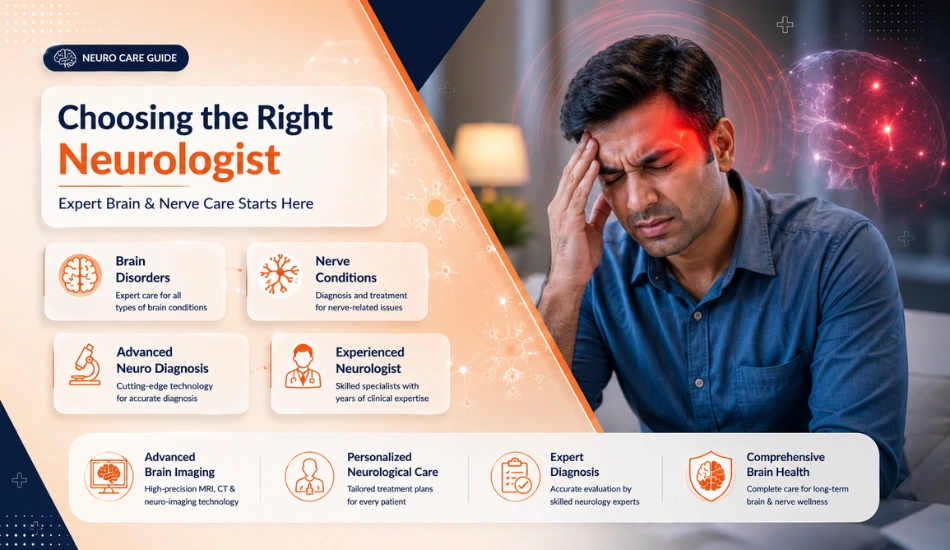
The brain, spinal cord, and nervous system control every movement, sensation, thought, memory, and body function. Even minor neurological problems can significantly affect your quality of life if left untreated. Symptoms such as frequent headaches, dizziness, numbness, seizures, memory loss, tremors, weakness, or difficulty speaking should never be ignored. Choosing the best neurologist in delhi is the first step toward receiving an accurate diagnosis and appropriate treatment for brain and nerve disorders.
Neurological diseases can affect people of all ages, from children with developmental disorders to older adults experiencing stroke, Parkinson's disease, dementia, or neuropathy. Modern neurology combines clinical expertise with advanced diagnostic technology such as MRI, CT scans, EEG, EMG, nerve conduction studies, and minimally invasive procedures to diagnose complex neurological conditions accurately.
This comprehensive guide explains how to choose the right brain specialist, common neurological disorders, symptoms that require medical attention, diagnostic procedures, treatment options, and ways to maintain lifelong brain health.
Understanding Neurology
Neurology is a medical specialty that focuses on diagnosing, treating, and preventing disorders affecting the brain, spinal cord, peripheral nerves, and muscles. Neurologists evaluate patients experiencing symptoms involving movement, balance, sensation, memory, coordination, speech, headaches, or nerve function.
Unlike neurosurgeons who perform brain and spine surgery, neurologists primarily diagnose neurological conditions and manage them using medications, rehabilitation, lifestyle modifications, and advanced non-surgical treatments.
Why Choosing the Right Neurologist Matters
Neurological disorders often present with symptoms similar to other medical conditions. An experienced neurologist carefully evaluates your medical history, performs neurological examinations, recommends appropriate investigations, and develops a personalized treatment plan. Early diagnosis often improves recovery, reduces complications, and enhances long-term quality of life.
Table of Contents
1. Understanding Neurology
2. Why Choosing the Right Neurologist Matters
3. Common Neurological Disorders
4. Symptoms You Should Never Ignore
5. When Should You Visit a Neurologist?
6. Diagnostic Tests in Neurology
7. Brain & Nerve Treatments
8. Advanced Neurology Procedures
9. How to Choose the Right Brain Specialist
10. Brain Health Tips
11. Prevention Strategies
12. Frequently Asked Questions
What Does a Neurologist Treat?
A neurologist diagnoses and manages a wide variety of disorders involving the nervous system. Early consultation helps prevent disease progression and improves treatment outcomes.
| Neurological Condition | Description |
|---|---|
| Migraine | Recurring severe headaches with neurological symptoms. |
| Stroke | Reduced blood supply to the brain requiring emergency care. |
| Epilepsy | Repeated seizures caused by abnormal brain activity. |
| Parkinson's Disease | Movement disorder causing tremors and stiffness. |
| Dementia | Progressive decline in memory and thinking ability. |
| Neuropathy | Damage to peripheral nerves causing numbness or pain. |
| Multiple Sclerosis | Autoimmune disease affecting the nervous system. |
| Vertigo | Dizziness caused by neurological or inner ear disorders. |
| Brain Tumors | Abnormal growths affecting brain function. |
| Sciatica | Nerve compression causing leg pain and weakness. |
| Trigeminal Neuralgia | Severe facial nerve pain. |
| Sleep Disorders | Neurological conditions affecting healthy sleep. |
Common Symptoms You Should Never Ignore
Neurological symptoms often develop gradually. Prompt medical attention helps identify the underlying cause before permanent nerve damage occurs.
- Frequent or severe headaches.
- Persistent dizziness.
- Loss of balance.
- Numbness or tingling.
- Muscle weakness.
- Difficulty walking.
- Memory loss.
- Confusion.
- Difficulty speaking.
- Vision changes.
- Seizures.
- Hand tremors.
- Facial weakness.
- Chronic nerve pain.
- Difficulty swallowing.
When Should You Visit a Neurologist?
Many neurological disorders begin with mild symptoms that gradually worsen over time. Consulting a neurologist early can prevent complications and improve long-term outcomes.
| Symptom | Recommended Evaluation |
|---|---|
| Recurring migraine | Neurological assessment. |
| Sudden weakness | Immediate stroke evaluation. |
| Memory problems | Cognitive assessment. |
| Seizures | EEG and neurological examination. |
| Persistent numbness | Nerve function evaluation. |
| Tremors | Movement disorder assessment. |
| Chronic dizziness | Balance and neurological examination. |
| Neck or back pain with weakness | Spine and nerve evaluation. |
Common Causes of Neurological Disorders
Several factors can increase the risk of developing neurological diseases. Understanding these risk factors helps patients take preventive measures.
| Risk Factor | Impact on Nervous System |
|---|---|
| High Blood Pressure | Increases stroke risk. |
| Diabetes | May cause peripheral neuropathy. |
| Smoking | Reduces blood flow to the brain. |
| High Cholesterol | Raises stroke risk. |
| Head Injury | May cause neurological damage. |
| Genetic Disorders | Increase susceptibility to neurological diseases. |
| Vitamin Deficiency | Can damage peripheral nerves. |
| Chronic Stress | May worsen headaches and neurological symptoms. |
Diagnostic Tests Performed by Neurologists
Modern neurology relies on advanced diagnostic technology to accurately identify disorders affecting the brain, spinal cord, muscles, and nerves.
| Diagnostic Test | Purpose |
|---|---|
| MRI Brain | Detailed imaging of the brain and spinal cord. |
| CT Scan | Detects stroke, bleeding, and head injuries. |
| EEG | Records electrical activity of the brain. |
| EMG | Evaluates muscle function. |
| Nerve Conduction Study (NCV) | Measures nerve signal transmission. |
| Blood Tests | Detect infections and metabolic disorders. |
| Lumbar Puncture | Examines cerebrospinal fluid when required. |
Benefits of Early Neurological Diagnosis
Early diagnosis provides the best opportunity to control symptoms, slow disease progression, and improve overall quality of life. Many neurological conditions respond more effectively when treatment begins before significant nerve damage occurs.
- Accurate diagnosis.
- Timely treatment.
- Reduced complications.
- Improved recovery.
- Better symptom control.
- Enhanced quality of life.
- Personalized long-term care.
Continue in Part 2: Advanced neurological treatments, how to choose the right brain specialist, brain health tips, prevention strategies, FAQs, and conclusion.
Advanced Neurological Treatment Options
Neurology has advanced significantly over the past decade, allowing doctors to diagnose and manage complex brain and nerve disorders more effectively. Depending on the diagnosis, treatment may include medications, rehabilitation, minimally invasive procedures, lifestyle modifications, and multidisciplinary care. The goal is not only to relieve symptoms but also to improve brain function, prevent disease progression, and enhance the patient's quality of life.
| Treatment | Used For |
|---|---|
| Medication Therapy | Migraine, epilepsy, Parkinson's disease, neuropathy, and multiple sclerosis. |
| Stroke Management | Early treatment to restore blood flow and reduce brain damage. |
| Botulinum Therapy | Chronic migraine, muscle spasticity, and movement disorders. |
| Nerve Block Procedures | Certain chronic headache and nerve pain conditions. |
| Physical Rehabilitation | Stroke recovery, balance disorders, and muscle weakness. |
| Speech Therapy | Speech and swallowing difficulties after neurological illness. |
| Occupational Therapy | Improves independence in daily activities. |
| Lifestyle Counseling | Long-term neurological disease management. |
How to Choose the Right Brain Specialist
Selecting an experienced neurologist is important because neurological diseases often require detailed evaluation and long-term follow-up. A qualified specialist should combine clinical expertise with modern diagnostic facilities and patient-centered care.
| What to Consider | Why It Is Important |
|---|---|
| Qualification & Training | Ensures specialized neurological expertise. |
| Clinical Experience | Improves diagnosis of complex disorders. |
| Hospital Infrastructure | Provides access to advanced investigations. |
| Emergency Stroke Care | Critical for timely treatment. |
| Advanced Diagnostic Facilities | Supports accurate diagnosis. |
| Patient Reviews | Reflect treatment quality and patient satisfaction. |
| Communication Skills | Helps patients understand their condition. |
| Comprehensive Follow-up | Essential for chronic neurological disorders. |
Questions You Should Ask Your Neurologist
Preparing questions before your consultation helps you better understand your diagnosis and treatment plan.
- What is causing my symptoms?
- Do I need MRI or CT imaging?
- Are additional neurological tests required?
- Is my condition temporary or chronic?
- What treatment options are available?
- Will I require long-term medication?
- What lifestyle changes can improve my condition?
- Are there any warning signs I should monitor?
- How often should I schedule follow-up visits?
- What complications should I be aware of?
Conditions That Require Immediate Medical Attention
Certain neurological symptoms should never be ignored because they may indicate life-threatening conditions such as stroke, brain infection, or severe nerve damage.
| Emergency Symptom | Possible Condition |
|---|---|
| Sudden facial drooping | Stroke |
| Difficulty speaking | Stroke |
| Loss of consciousness | Brain injury or seizure. |
| Sudden severe headache | Brain hemorrhage. |
| Repeated seizures | Epilepsy emergency. |
| Sudden vision loss | Neurological emergency. |
| Weakness of one side | Possible stroke. |
| Persistent confusion | Brain disorder requiring urgent evaluation. |
Lifestyle Habits That Keep Your Brain Healthy
Healthy daily habits significantly reduce the risk of many neurological disorders while supporting memory, concentration, and cognitive performance.
- Exercise regularly.
- Sleep for 7–8 hours every night.
- Maintain healthy blood pressure.
- Control diabetes.
- Eat a balanced diet rich in fruits and vegetables.
- Stay mentally active through reading and learning.
- Avoid smoking.
- Limit alcohol consumption.
- Stay socially engaged.
- Manage stress through yoga or meditation.
Foods That Support Brain Health
A nutrient-rich diet contributes to healthy brain function and may reduce the risk of several neurological disorders.
| Food | Brain Health Benefit |
|---|---|
| Leafy Green Vegetables | Rich in antioxidants and vitamins. |
| Fish | Provides omega-3 fatty acids. |
| Nuts | Support memory and nerve health. |
| Whole Grains | Provide sustained brain energy. |
| Fresh Fruits | Contain antioxidants that protect brain cells. |
| Beans & Legumes | Support healthy nerve function. |
| Seeds | Rich in healthy fats and minerals. |
| Water | Maintains proper brain hydration. |
Can Neurological Disorders Be Prevented?
Although some neurological diseases have genetic causes, many conditions can be prevented or their progression slowed through healthy lifestyle choices and early medical intervention.
- Control blood pressure.
- Manage diabetes.
- Maintain healthy cholesterol levels.
- Exercise consistently.
- Avoid tobacco products.
- Wear helmets during sports.
- Get adequate sleep.
- Treat infections promptly.
- Attend regular health checkups.
- Seek early medical evaluation for neurological symptoms.
Why Early Consultation Makes a Difference
Brain and nerve disorders often progress silently before causing significant disability. Early consultation allows neurologists to diagnose conditions during their initial stages, initiate treatment promptly, and reduce the risk of permanent neurological damage.
- Earlier diagnosis.
- Better disease control.
- Reduced disability.
- Improved recovery after stroke.
- Better long-term quality of life.
- Personalized treatment planning.
- Continuous neurological monitoring.
FAQs
1. When should I consult a neurologist?
You should consult a neurologist if you experience persistent headaches, dizziness, numbness, seizures, tremors, memory problems, weakness, difficulty walking, or other symptoms affecting the brain or nervous system.
2. What diseases does a neurologist treat?
Neurologists diagnose and manage migraines, epilepsy, stroke, Parkinson's disease, dementia, neuropathy, multiple sclerosis, nerve disorders, and several other neurological conditions.
3. Which tests are commonly performed in neurology?
Common investigations include MRI, CT scan, EEG, EMG, nerve conduction studies, blood tests, and other specialized neurological evaluations based on individual symptoms.
4. Can neurological disorders be treated without surgery?
Yes. Many neurological conditions are successfully managed through medications, rehabilitation, lifestyle modifications, and regular follow-up without requiring surgery.
5. How do I choose the right neurologist?
Look for an experienced specialist with advanced diagnostic facilities, good patient reviews, comprehensive neurological services, emergency support, and a patient-focused treatment approach.
Conclusion
The nervous system controls every essential function of the human body, making neurological health one of the most important aspects of overall well-being. Symptoms such as persistent headaches, dizziness, numbness, seizures, memory loss, tremors, or weakness should never be ignored, as early diagnosis often leads to more effective treatment and better long-term outcomes.
Choosing the best neurologist in delhi involves considering medical expertise, clinical experience, diagnostic facilities, emergency care availability, and a patient-centered approach. With modern neurological investigations and evidence-based treatments, many brain and nerve disorders can now be managed successfully, helping patients regain independence and improve their quality of life.
If you or a loved one is experiencing neurological symptoms, timely consultation with an experienced neurologist can help identify the underlying cause, begin appropriate treatment, and protect long-term brain health through personalized care and continuous medical support.