
In the beginning
The rainy season brings cooler temperatures and much-needed relief from the summer heat, but it also increases the risk of viral infections, mosquito-borne diseases, food poisoning, skin infections, allergies, and waterborne illnesses. During the monsoon, bacteria, viruses, and mosquitoes thrive in warm and humid environments, making preventive healthcare more important than ever.
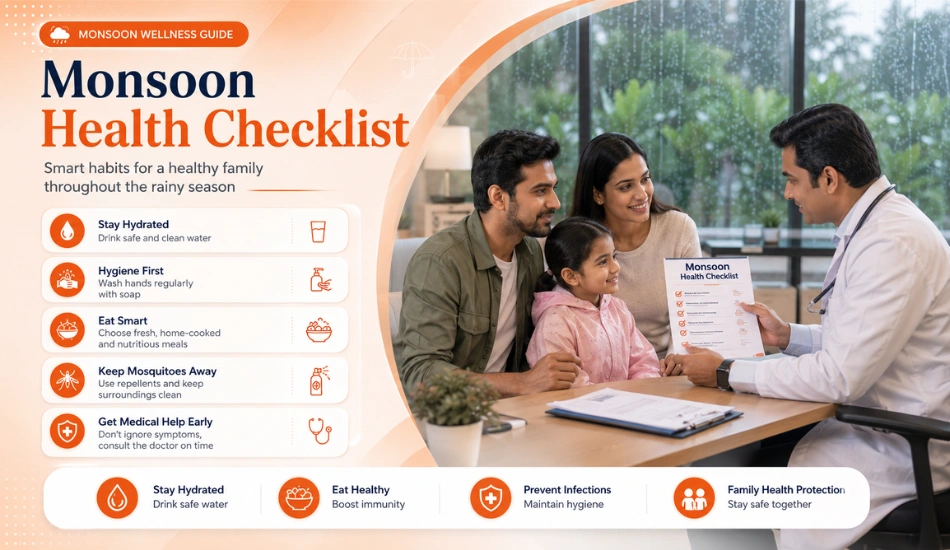
A simple health checklist followed by every family can significantly reduce the chances of falling sick during the rainy season. Small habits such as maintaining hand hygiene, drinking safe water, eating freshly prepared food, and seeking timely medical care can protect children, adults, and senior citizens from seasonal illnesses.
This comprehensive 2026 guide provides a practical Rainy Season Health Checklist that every household should follow to stay healthy, prevent infections, and enjoy the monsoon safely.
Understanding Why Monsoon Increases Health Risks
Heavy rainfall, waterlogging, humidity, and sudden temperature changes create favorable conditions for the spread of infectious diseases. Contaminated drinking water, stagnant water, poor sanitation, and increased mosquito breeding further raise the risk of illnesses.
Although many seasonal infections are mild, delayed treatment can sometimes lead to serious complications, especially in children, elderly individuals, pregnant women, and people with chronic medical conditions.
Why Every Family Needs a Monsoon Health Checklist
Preventive healthcare is always better than treating illness. A family health checklist helps everyone adopt healthy habits consistently while reducing exposure to common seasonal diseases.
Simple preventive measures can reduce doctor visits, minimize school and office absences, and improve overall family well-being throughout the rainy season.
Table of Contents
1. Common Monsoon Health Risks
2. Family Hygiene Checklist
3. Safe Drinking Water Practices
4. Healthy Eating During Monsoon
5. Mosquito Protection Tips
6. Home Cleanliness Checklist
7. Personal Hygiene Habits
8. Immunity-Boosting Foods
9. Special Care for Children and Elderly
10. Monsoon Travel Safety Tips
11. Essential Home Medical Kit
12. Warning Signs That Need Medical Attention
13. Healthy Lifestyle During Rainy Season
14. Benefits of Preventive Healthcare
15. Frequently Asked Questions
Common Monsoon Health Risks
Several diseases become more common during the rainy season.
| Health Risk | Possible Cause |
|---|---|
| Common Cold | Seasonal viral infection. |
| Viral Fever | Virus transmission. |
| Dengue | Mosquito bites. |
| Malaria | Stagnant water mosquito breeding. |
| Typhoid | Contaminated food or water. |
| Food Poisoning | Bacterial contamination. |
| Skin Infections | Excess moisture and poor hygiene. |
| Fungal Infections | Humid environment. |
Family Hygiene Checklist
Good hygiene remains one of the most effective ways to prevent infections.
- Wash hands with soap before eating.
- Wash hands after returning home.
- Keep fingernails trimmed and clean.
- Use clean towels.
- Change wet clothes immediately.
- Wear clean footwear outdoors.
- Maintain personal hygiene daily.
Teaching children these habits significantly reduces the spread of seasonal illnesses.
Safe Drinking Water Checklist
Waterborne infections increase significantly during monsoon due to contamination.
| Recommendation | Benefit |
|---|---|
| Drink boiled or purified water. | Prevents waterborne diseases. |
| Clean water storage containers regularly. | Reduces bacterial growth. |
| Avoid roadside beverages. | Lowers infection risk. |
| Keep drinking water covered. | Prevents contamination. |
| Replace water filters as recommended. | Ensures safe drinking water. |
Healthy Eating During Monsoon
Nutrition plays a vital role in strengthening immunity.
- Eat freshly cooked meals.
- Wash fruits thoroughly.
- Consume seasonal vegetables.
- Increase Vitamin C-rich foods.
- Drink adequate fluids.
- Include protein-rich foods.
- Avoid stale leftovers.
Healthy eating supports the body's natural immune response against infections.
Foods to Avoid During Rainy Season
| Food | Reason |
|---|---|
| Street Food | Higher contamination risk. |
| Raw Leafy Salads | May carry bacteria. |
| Uncovered Food | Exposed to insects. |
| Cut Fruits Sold Outside | Risk of contamination. |
| Stale Food | May cause food poisoning. |
| Excess Fried Foods | Difficult to digest. |
Mosquito Protection Checklist
Mosquito-borne diseases become more common during the rainy season.
- Remove stagnant water weekly.
- Use mosquito repellents.
- Install window screens.
- Sleep under mosquito nets when required.
- Wear full-sleeved clothing outdoors.
- Cover water storage containers.
- Keep surroundings clean.
Preventing mosquito breeding is the most effective strategy against dengue and malaria.
Home Cleanliness Checklist
Maintaining a clean home reduces exposure to germs and allergens.
| Household Practice | Benefit |
|---|---|
| Keep bathrooms dry. | Prevents fungal growth. |
| Disinfect frequently touched surfaces. | Reduces germ spread. |
| Dispose of garbage daily. | Prevents insects. |
| Improve room ventilation. | Reduces humidity. |
| Clean air coolers regularly. | Prevents mold buildup. |
Special Care for Children and Senior Citizens
Young children and older adults require extra protection during monsoon.
- Ensure timely vaccinations.
- Maintain adequate hydration.
- Monitor fever closely.
- Avoid exposure to contaminated water.
- Provide balanced nutrition.
- Encourage sufficient sleep.
- Seek medical care if symptoms persist.
Monsoon Travel Safety Tips
| Travel Tip | Reason |
|---|---|
| Carry clean drinking water. | Prevents dehydration. |
| Wear waterproof footwear. | Reduces fungal infections. |
| Keep an umbrella or raincoat. | Prevents getting soaked. |
| Carry hand sanitizer. | Maintains hygiene. |
| Avoid walking through stagnant water. | Reduces infection risk. |
Essential Home Medical Kit
Every family should keep a basic medical kit ready during the rainy season.
- Digital thermometer.
- Hand sanitizer.
- Antiseptic solution.
- Sterile bandages.
- Oral rehydration solution (ORS).
- Doctor-recommended fever medicine.
- Basic first-aid supplies.
Never self-medicate with antibiotics without consulting a qualified healthcare professional.
Warning Signs That Need Medical Attention
Consult a doctor immediately if anyone in the family develops:
- High fever lasting more than three days.
- Difficulty breathing.
- Persistent vomiting.
- Severe dehydration.
- Confusion or unusual drowsiness.
- Bleeding symptoms.
- Severe abdominal pain.
- Reduced urine output.
- Persistent cough lasting more than two weeks.
Early medical evaluation helps prevent serious complications and improves treatment outcomes.
Healthy Lifestyle During Monsoon
| Healthy Habit | Benefit |
|---|---|
| Regular Exercise | Improves immunity. |
| Adequate Sleep | Supports recovery and immune function. |
| Balanced Diet | Provides essential nutrients. |
| Drink Enough Water | Maintains hydration. |
| Stress Management | Supports overall wellness. |
| Routine Health Checkups | Promotes early diagnosis. |
Benefits of Following a Rainy Season Health Checklist
Consistently following healthy habits during monsoon offers several long-term benefits.
- Lower risk of seasonal infections.
- Improved immunity.
- Reduced doctor visits.
- Better family health.
- Lower risk of foodborne illnesses.
- Improved overall hygiene.
- Early detection of health problems.
A Guide to Keeping Your Family Healthy This Monsoon
A well-planned Rainy Season Health Checklist helps families stay protected from seasonal illnesses by focusing on prevention rather than treatment. Practicing proper hygiene, consuming safe food and water, maintaining clean surroundings, preventing mosquito breeding, and seeking timely medical care are simple yet highly effective ways to reduce health risks during monsoon. By adopting these healthy habits consistently, every family can enjoy the rainy season while minimizing the chances of infections and maintaining overall well-being.
FAQs
1. Why do infections increase during the rainy season?
High humidity, stagnant water, contaminated food, and increased mosquito breeding create favorable conditions for viruses, bacteria, and parasites during the monsoon.
2. Which diseases are most common during monsoon?
Common seasonal illnesses include viral fever, cold, cough, dengue, malaria, typhoid, food poisoning, and fungal skin infections.
3. How can families prevent monsoon illnesses?
Maintaining good hygiene, drinking purified water, eating freshly prepared food, eliminating stagnant water, and following mosquito protection measures can significantly reduce infection risk.
4. Which family members need extra care during monsoon?
Children, elderly individuals, pregnant women, and people with chronic medical conditions require additional precautions because they are more vulnerable to seasonal infections.
5. When should I consult a doctor during the rainy season?
Seek medical attention if fever persists for more than three days, breathing becomes difficult, dehydration develops, severe weakness occurs, or symptoms worsen despite home care.