

Best Dental Implants in Delhi – Restore Your Smile with Confidence
Missing one or more teeth can affect much more than your smile. It can make chewing difficult, change the way you speak, affect your facial appearance, and even lead to gradual jawbone loss. Fortunately, modern dental implant surgery offers a long-lasting and natural-looking solution.
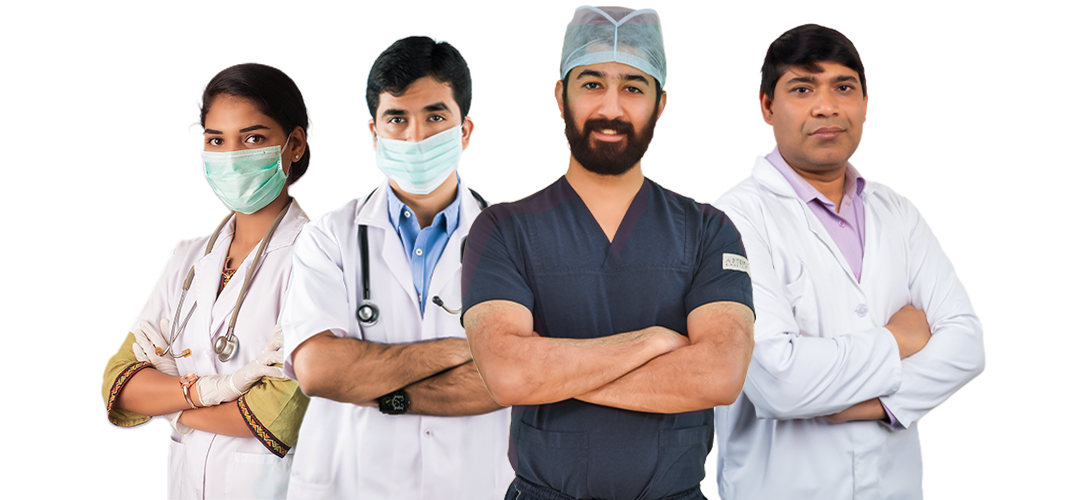
At Shri Ram Hospital, our experienced dental specialists provide advanced Dental Implant Surgery in Delhi using modern implant systems, digital treatment planning, and evidence-based techniques. Every treatment plan is customized according to your oral health, jawbone condition, and smile goals. The hospital offers implant placement, bone assessment, implant-supported crowns, bridges, and complete rehabilitation under one roof.
Conveniently located in Vikaspuri, West Delhi, we welcome patients from Janakpuri, Dwarka, Uttam Nagar, Tilak Nagar, Rajouri Garden, Paschim Vihar, Punjabi Bagh, Kirti Nagar, Naraina, Peeragarhi, Nangloi, and across Delhi NCR.
Why Choose Shri Ram Hospital for Dental Implant Surgery?
At Shri Ram Hospital, our Department of Dentistry is committed to restoring healthy smiles through advanced dental implant surgery. Our experienced implantologists combine modern digital technology, evidence-based treatment, and personalized care to replace missing teeth while restoring oral function, aesthetics, and long-term oral health.
Whether you need a single dental implant, multiple implants, or full-mouth rehabilitation, our team develops customized treatment plans designed to deliver natural-looking, long-lasting results with the highest standards of safety and patient comfort.
Why Patients Trust Shri Ram Hospital
| Our Expertise | Patient Benefits |
|---|---|
| Experienced Implantologists and Dental Surgeons | Highly qualified specialists with extensive experience in advanced dental implant procedures and smile restoration. |
| Advanced Digital Implant Planning | Computer-assisted planning helps ensure precise implant positioning and predictable treatment outcomes. |
| Premium-Quality Dental Implant Systems | High-quality implant materials designed for long-term strength, stability, and successful osseointegration. |
| High-Precision Implant Placement | Modern surgical techniques provide accurate implant positioning with minimal tissue trauma. |
| Comprehensive Dental Diagnostics | Advanced digital imaging and clinical evaluation allow accurate treatment planning before surgery. |
| Personalized Smile Restoration Plans | Customized treatment designed according to oral health, bone quality, missing teeth, and aesthetic goals. |
| NABH & ISO Accredited Multispeciality Hospital | Quality healthcare supported by internationally recognized safety standards and clinical protocols. |
| Strict Sterilization & Infection-Control Protocols | Advanced sterilization practices help maintain maximum patient safety during every dental procedure. |
| Complete Pre- and Post-Implant Care | Comprehensive guidance before treatment and long-term follow-up to support successful implant healing. |
Our objective is to provide safe, minimally invasive, and long-lasting dental implant solutions that restore confidence, improve oral function, and enhance overall quality of life.
What Is Dental Implant Surgery?
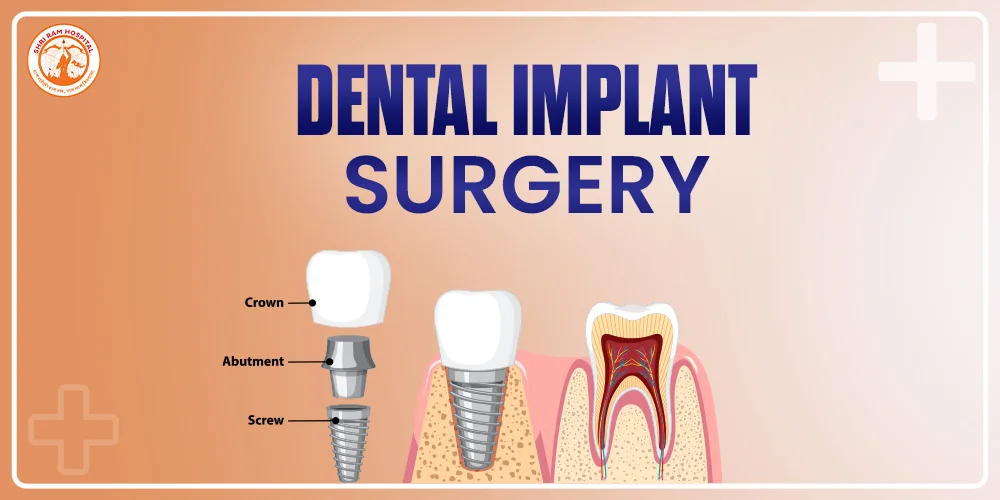
Dental Implant Surgery is an advanced procedure used to replace the root of a missing tooth with a biocompatible titanium implant that is surgically placed into the jawbone. The implant serves as a strong artificial tooth root capable of supporting a custom-made dental crown, bridge, or denture.
Over time, the titanium implant naturally fuses with the surrounding jawbone through a biological process known as osseointegration. This creates a stable and durable foundation that closely resembles the function of a natural tooth root.
Unlike removable dentures, dental implants are fixed permanently in the jawbone, providing greater stability, improved chewing ability, enhanced speech, and a natural appearance.
How Dental Implants Work
Titanium Implant Placement: A medical-grade titanium implant is carefully positioned inside the jawbone under local anesthesia.
Osseointegration: The implant gradually bonds with the jawbone over the following weeks or months, creating a secure foundation.
Custom Restoration: Once healing is complete, a custom-made ceramic crown, bridge, or denture is attached to restore both appearance and function.
Dental implants closely mimic natural teeth and provide one of the most reliable long-term solutions for replacing missing teeth.
Who Needs Dental Implants?
Dental implants are suitable for many patients who have lost one or more teeth due to decay, injury, gum disease, or other dental conditions. A detailed consultation with an experienced implantologist is necessary to determine whether implant treatment is appropriate based on oral health, bone quality, and overall medical condition.
You May Be a Suitable Candidate If You Have
One Missing Tooth: A single implant replaces an individual missing tooth without affecting neighboring healthy teeth.
Multiple Missing Teeth: Implant-supported bridges can replace several missing teeth while preserving jawbone health.
Loose Dentures: Dental implants can securely support dentures, improving comfort, stability, and chewing efficiency.
Broken or Severely Damaged Teeth: Teeth that cannot be restored may be replaced with dental implants following extraction.
Difficulty Chewing Food: Missing teeth often reduce chewing ability, making implants an effective long-term solution.
Bone Loss After Tooth Extraction: Dental implants help preserve remaining jawbone and prevent further bone deterioration in suitable patients.
Good Overall Oral and General Health: Healthy gums, adequate bone support, and good general health contribute to successful implant treatment.
A comprehensive dental examination, digital imaging, and clinical assessment help determine whether dental implants are the most suitable treatment option for your individual needs.
Benefits of Dental Implants
Dental implants are considered one of the most advanced and reliable tooth replacement options because they closely resemble natural teeth in appearance, function, and durability. With proper care, they can provide excellent long-term results while improving both oral health and overall quality of life.
Advantages of Dental Implants
Natural Appearance: Custom-designed dental crowns closely match the color, shape, and appearance of natural teeth.
Improved Chewing Ability: Strong implant support allows patients to comfortably chew a wide variety of foods.
Clearer Speech: Fixed implants provide greater stability than removable dentures, helping improve speech clarity.
Permanent Tooth Replacement: Dental implants are securely fixed within the jawbone, eliminating the movement associated with removable dentures.
Better Smile Aesthetics: Restoring missing teeth enhances facial appearance and creates a more confident smile.
Preservation of Jawbone: Dental implants stimulate the jawbone during chewing, helping reduce bone loss after tooth extraction.
No Damage to Adjacent Healthy Teeth: Unlike traditional bridges, implants do not require grinding healthy neighboring teeth for support.
Improved Confidence: Patients often experience greater confidence while eating, speaking, and smiling after successful implant treatment.
Long-Lasting Results: With good oral hygiene and regular dental check-ups, dental implants can remain functional for many years.
Types of Dental Implants
Different types of dental implants are available depending on the number of missing teeth, bone quality, oral health, and the patient's individual treatment goals. After a detailed clinical examination, your implantologist recommends the most appropriate implant solution.
Common Types of Dental Implants
| Type of Implant | Description |
|---|---|
| Single Tooth Implant | Ideal for replacing one missing tooth while preserving neighboring healthy teeth without the need for a dental bridge. |
| Multiple Dental Implants | Used to replace several missing teeth with implant-supported bridges, restoring chewing function and smile aesthetics. |
| Full Mouth Dental Implants | Recommended for patients missing most or all of their teeth. Implant-supported fixed teeth provide greater stability, comfort, and function than conventional removable dentures. |
| Immediate Dental Implants | Selected patients may receive implant placement immediately after tooth extraction, depending on bone quality, gum health, and clinical evaluation. |
The final treatment plan is determined after a detailed clinical examination, digital imaging, and evaluation of your oral health to ensure the safest and most effective long-term outcome.
Dental Implant Procedure
At Shri Ram Hospital, every dental implant procedure is carefully planned to ensure long-term success, excellent aesthetics, and optimal oral function. Our implantologists use advanced digital diagnostic technology and minimally invasive surgical techniques to provide safe, predictable, and personalized implant treatment.
The complete treatment is performed in multiple stages, allowing the implant to heal properly and integrate naturally with the jawbone before the final tooth restoration is placed.
Step 1 – Consultation
During your first visit, the implantologist performs a comprehensive oral examination to evaluate your suitability for dental implant treatment.
Oral Health Assessment: The condition of your gums, teeth, jawbone, and surrounding oral structures is carefully examined.
Medical History: Existing medical conditions, medications, previous dental treatments, and overall health are reviewed before planning surgery.
Bone Quality Evaluation: The quantity and density of jawbone are assessed to determine whether adequate bone support is available for implant placement.
Missing Teeth Assessment: The number, location, and condition of missing teeth are evaluated to design an individualized treatment plan.
Bite Alignment Analysis: Your bite is carefully examined to ensure proper implant positioning and long-term chewing function.
Step 2 – Diagnostic Evaluation
Advanced imaging and diagnostic investigations help the implantologist accurately plan implant placement and minimize surgical risks.
Digital Dental X-Rays: Provide detailed information about the teeth, surrounding bone, and overall oral condition.
OPG Scan (Orthopantomogram): Offers a panoramic view of the jaws, teeth, and surrounding structures for comprehensive treatment planning.
CBCT Scan (When Indicated): Three-dimensional imaging helps evaluate bone quality, bone volume, nerve location, and anatomical structures before implant surgery.
Gum Health Assessment: Healthy gums are essential for successful implant treatment, and any gum disease is treated before implant placement whenever necessary.
Step 3 – Implant Placement
Once treatment planning is complete, a biocompatible titanium implant is carefully placed into the jawbone under local anesthesia using advanced surgical techniques. The procedure is performed with high precision to ensure optimal implant stability and successful long-term healing.
Most patients experience minimal discomfort during the procedure and are able to return home on the same day.
Step 4 – Healing Phase
During the healing phase, the implant gradually bonds with the surrounding jawbone through a natural biological process known as osseointegration. This healing period usually takes several weeks to a few months, depending on individual bone quality and overall oral health.
Successful osseointegration creates a strong and stable foundation capable of supporting the final dental restoration.
Step 5 – Crown Placement
After complete healing, a custom-made ceramic crown is securely attached to the implant. The crown is carefully designed to match the color, shape, and appearance of your natural teeth, restoring both function and aesthetics.
Once the final restoration is placed, patients can comfortably eat, speak, and smile with confidence.
Recovery After Dental Implant Surgery
Recovery after dental implant surgery is generally smooth when patients carefully follow their dentist's postoperative instructions. Healing varies depending on the number of implants placed, bone quality, and individual health, but most patients resume normal activities within a short period.
Maintaining excellent oral hygiene and attending regular follow-up visits are essential for successful healing and long-term implant stability.
First 24–48 Hours
The first two days are important for minimizing swelling and supporting early healing.
Take Prescribed Medications: Pain relievers and antibiotics should be taken exactly as prescribed by your dentist.
Apply Cold Compresses (If Advised): Cold packs may help reduce facial swelling and postoperative discomfort.
Eat Soft Foods: Soft, nutritious foods help protect the surgical area while allowing comfortable eating.
Avoid Smoking: Smoking delays healing and significantly increases the risk of implant failure.
Avoid Vigorous Rinsing: Excessive rinsing during the initial healing period may disturb the surgical site.
First Week After Surgery
As healing progresses, patients should continue caring for the implant site while gradually returning to normal activities.
Gentle Brushing Around the Implant: Careful brushing helps maintain cleanliness without disturbing the surgical area.
Maintain Good Oral Hygiene: Proper oral care reduces the risk of infection and promotes healthy healing.
Continue Eating Soft Foods: Soft foods reduce pressure on the healing implant during the early recovery phase.
Attend Follow-Up Appointments: Scheduled reviews allow your implantologist to monitor healing and ensure successful osseointegration.
Long-Term Implant Care
Dental implants require ongoing care similar to natural teeth in order to remain healthy and functional for many years.
Brush Twice Daily: Daily brushing removes plaque and helps maintain healthy gums around the implant.
Floss Regularly: Cleaning between teeth and implants helps prevent gum disease and peri-implant infections.
Schedule Routine Dental Check-Ups: Regular professional examinations help monitor implant health and detect problems early.
Avoid Tobacco Products: Tobacco use increases the risk of gum disease, delayed healing, and implant failure.
Maintain Healthy Gums: Healthy gum tissue provides long-term support for successful dental implants.
With proper oral hygiene, routine dental care, and regular follow-up, dental implants can remain functional and aesthetically pleasing for many years.
Dental Implants Near Me
If you are searching online for "Dental Implants Near Me", choosing a hospital with experienced implantologists, advanced diagnostic technology, and comprehensive postoperative care is essential for achieving safe, predictable, and long-lasting treatment results.
At Shri Ram Hospital, we provide complete dental implant services under one roof—from diagnosis and digital treatment planning to implant surgery, crown placement, and long-term follow-up care.
Why Choose a Specialized Implant Center?
Experienced Implantologists: Skilled specialists perform implant surgery using evidence-based techniques for predictable outcomes.
Advanced Diagnostic Facilities: Digital X-rays, OPG scans, and CBCT imaging ensure precise treatment planning.
Modern Implant Technology: High-quality implant systems provide long-term stability and excellent function.
Comprehensive Dental Rehabilitation: Complete restoration of oral health, chewing function, and smile aesthetics is provided through personalized treatment plans.
Best Implantologist in Delhi
Successful dental implant treatment depends on careful planning, accurate implant placement, healthy gums, and continuous follow-up care. Choosing an experienced implantologist significantly improves the long-term success of implant treatment and overall patient satisfaction.
At Shri Ram Hospital, our dental specialists combine clinical expertise with advanced digital technology to deliver safe, minimally invasive, and aesthetically pleasing implant rehabilitation.
Our Implantology Approach
Comprehensive Oral Assessment: A complete evaluation of teeth, gums, bone quality, and bite alignment before treatment planning.
Digital Implant Planning: Advanced computer-guided planning improves surgical precision and implant positioning.
Minimally Invasive Procedures: Modern techniques help reduce discomfort, swelling, and recovery time.
Bone Preservation: Treatment is planned to maintain healthy jawbone and support long-term implant stability.
Long-Term Implant Success: Regular follow-up care helps monitor implant health and maintain excellent clinical outcomes.
Personalized Smile Restoration: Every treatment plan is customized to restore natural appearance, comfortable chewing, and confident smiling.
Dental Implant Cost in Delhi
One of the most common questions patients ask is about the dental implant cost in Delhi. The overall cost varies from one patient to another because every individual has unique dental needs, bone quality, and treatment requirements.
At Shri Ram Hospital, every patient undergoes a detailed dental examination before treatment. Based on the clinical findings, our implantologists prepare a personalized treatment plan along with a transparent cost estimate.
Factors Affecting Dental Implant Cost
| Factor | How It Affects the Cost |
|---|---|
| Number of Implants Required | Replacing multiple missing teeth requires additional implants and customized treatment planning. |
| Implant System Used | The quality, brand, and type of dental implant system influence the overall treatment cost. |
| Need for Bone Grafting | Patients with insufficient jawbone may require bone grafting before implant placement. |
| Sinus Lift Procedure (If Required) | Additional sinus lift surgery may be necessary for implants in the upper jaw where bone height is inadequate. |
| Crown Material | The type of ceramic or other restorative material selected for the final crown affects the overall treatment package. |
| Overall Oral Condition | Existing gum disease, tooth decay, or additional dental procedures may influence treatment planning and cost. |
Following a comprehensive consultation, our dental team provides an individualized treatment plan with transparent pricing to help patients make informed decisions about their dental implant treatment.
Why Early Tooth Replacement Matters
Replacing a missing tooth as early as possible helps maintain proper oral function, preserves jawbone health, and prevents long-term dental complications. Delaying treatment after tooth loss may gradually affect neighboring teeth, chewing efficiency, facial appearance, and overall oral health.
Dental implants provide one of the most effective long-term solutions for restoring both function and aesthetics while preserving the natural structure of the jaw.
Problems Caused by Delayed Tooth Replacement
Jawbone Loss: After a tooth is lost, the surrounding jawbone gradually shrinks because it no longer receives normal chewing stimulation.
Shifting of Nearby Teeth: Adjacent teeth may slowly move into the empty space, causing bite misalignment and spacing problems.
Bite Problems: Missing teeth can affect the way upper and lower teeth meet, leading to chewing difficulties and uneven pressure on remaining teeth.
Difficulty Chewing: Tooth loss reduces chewing efficiency and may limit the types of foods a patient can comfortably eat.
Speech Changes: Missing teeth, especially front teeth, may affect pronunciation and speech clarity.
Facial Changes Over Time: Progressive jawbone loss may alter facial contours and contribute to a prematurely aged appearance.
Early dental implant treatment helps preserve jawbone, restore chewing ability, maintain proper bite alignment, and improve overall oral health for the long term.
Why Patients Choose Shri Ram Hospital
Patients from Vikaspuri, Janakpuri, Dwarka, Uttam Nagar, Tilak Nagar, Rajouri Garden, Paschim Vihar, Punjabi Bagh, Kirti Nagar, Naraina, Peeragarhi, Nangloi, and across Delhi NCR choose Shri Ram Hospital for dental implant treatment because of our experienced specialists, advanced digital technology, and patient-focused approach to comprehensive dental rehabilitation.
We are committed to delivering safe, evidence-based dental implant treatment with personalized care, advanced surgical techniques, and long-term follow-up to help every patient achieve a healthy, functional, and confident smile.
Why Patients Trust Shri Ram Hospital
| Our Expertise | Patient Benefits |
|---|---|
| Experienced Implantologists | Highly skilled dental specialists experienced in advanced implant surgery and complete smile restoration. |
| Modern Implant Technology | Advanced implant systems and minimally invasive techniques ensure predictable and long-lasting treatment outcomes. |
| Digital Diagnostic Facilities | Digital X-rays, OPG, and CBCT imaging provide accurate diagnosis and precise implant planning. |
| Personalized Treatment Planning | Customized dental implant solutions based on oral health, bone quality, and individual smile goals. |
| Comprehensive Dental Care | Complete dental services including diagnosis, implant placement, crown restoration, and long-term maintenance under one roof. |
| Patient-Focused Approach | Compassionate care with clear communication, individualized treatment, and continuous support throughout the implant journey. |
| Evidence-Based Treatment Protocols | Modern clinical guidelines and internationally accepted treatment standards ensure safe, reliable, and successful implant outcomes. |
Our multidisciplinary dental team is dedicated to restoring healthy smiles through advanced implant dentistry, helping patients regain comfortable chewing, natural aesthetics, and long-term oral health with confidence.
Book an Appointment