


In the beginning
Kidney disease is becoming increasingly common due to the rising prevalence of diabetes, high blood pressure, obesity, and unhealthy lifestyles. When the kidneys lose their ability to remove waste products and excess fluids from the body, dialysis becomes a life-saving treatment. One of the most common questions patients and their families ask is about the Dialysis Cost in Delhi and the factors that influence the overall treatment expenses.
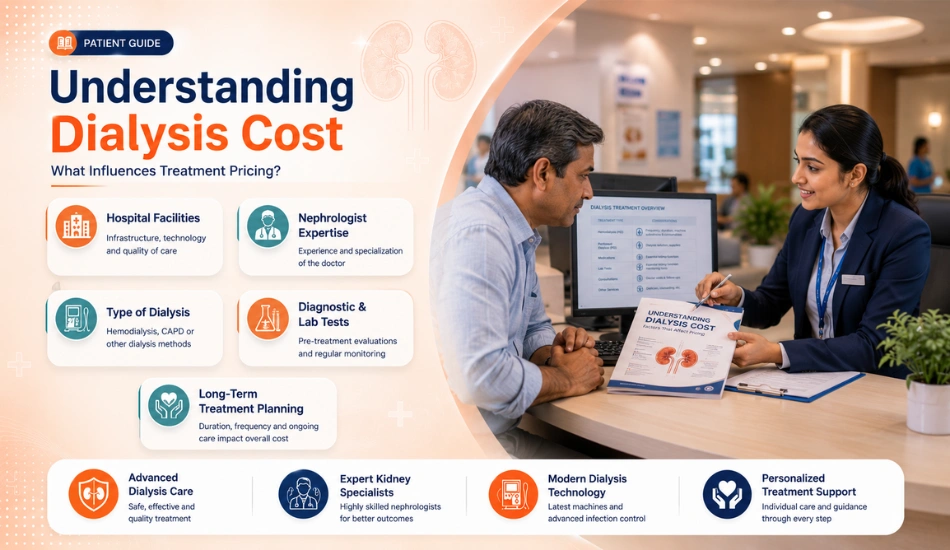
The cost of dialysis is not the same for every patient. It depends on multiple factors such as the type of dialysis, the patient's medical condition, frequency of treatment, hospital infrastructure, specialist consultation, medications, laboratory investigations, and long-term kidney care. Understanding these factors helps patients make informed healthcare decisions while planning for ongoing treatment.
This comprehensive 2026 guide explains everything you need to know about dialysis, the different treatment options available, the major factors affecting dialysis costs, and practical tips to manage kidney health effectively.
Understanding Dialysis
Dialysis is a medical treatment that performs some of the essential functions of healthy kidneys when they can no longer work properly. It removes waste products, toxins, excess salts, and extra fluids from the bloodstream while helping maintain electrolyte balance and blood pressure.
Although dialysis cannot completely replace healthy kidneys, it helps patients with kidney failure live healthier and longer lives until kidney function improves or a kidney transplant becomes possible.
Why is Dialysis Needed?
The kidneys filter nearly 150 to 180 liters of blood every day. When kidney function drops significantly, harmful waste products begin accumulating inside the body. Without timely treatment, this buildup can become life-threatening. Dialysis helps perform this vital filtration process and reduces the risk of serious complications.
Table of Contents
1. Understanding Dialysis
2. Why Dialysis is Needed
3. Types of Dialysis
4. Early Signs of Kidney Failure
5. Common Causes of Kidney Failure
6. Factors Affecting Dialysis Cost in Delhi
7. Hemodialysis vs Peritoneal Dialysis
8. Diagnostic Tests Before Dialysis
9. How Often is Dialysis Required?
10. Benefits of Early Treatment
11. Lifestyle During Dialysis
12. Diet for Dialysis Patients
13. Preventing Kidney Disease Progression
14. Frequently Asked Questions
How Healthy Kidneys Work
Healthy kidneys perform several essential functions that keep the body functioning normally.
| Kidney Function | Importance |
|---|---|
| Filter Waste Products | Removes toxins from the bloodstream. |
| Maintain Fluid Balance | Controls excess water in the body. |
| Balance Electrolytes | Regulates sodium, potassium and minerals. |
| Control Blood Pressure | Supports cardiovascular health. |
| Produce Hormones | Helps produce red blood cells. |
| Support Bone Health | Activates Vitamin D. |
Types of Dialysis
There are two primary types of dialysis used to treat kidney failure. Your nephrologist recommends the most suitable option based on your overall health, kidney function, and lifestyle.
| Dialysis Type | Description |
|---|---|
| Hemodialysis | Blood is filtered through a dialysis machine using a special filter. |
| Peritoneal Dialysis | The lining of the abdomen acts as a natural filter using dialysis fluid. |
Both treatment methods effectively remove toxins and excess fluids but differ in procedure, frequency, convenience, and long-term management.
Hemodialysis
Hemodialysis is the most commonly performed dialysis procedure. During treatment, blood flows through a dialysis machine where waste products and excess fluids are removed before the cleaned blood returns to the body.
Most patients require hemodialysis approximately three times a week, with each session lasting around four hours depending on individual medical requirements.
Peritoneal Dialysis
Peritoneal dialysis uses the patient's abdominal lining (peritoneum) as a natural filter. Dialysis fluid is introduced into the abdomen through a catheter, allowing waste products and excess fluid to move into the solution before it is drained.
This treatment offers greater flexibility and may be performed at home after appropriate patient training under medical supervision.
Early Signs of Kidney Failure
Recognizing kidney disease early may help delay or even prevent the need for dialysis. Patients should never ignore the following symptoms.
- Persistent fatigue.
- Swelling of feet and ankles.
- Decreased urine output.
- Foamy urine.
- Blood in urine.
- Loss of appetite.
- Nausea and vomiting.
- Persistent itching.
- Shortness of breath.
- Muscle cramps.
- Difficulty concentrating.
- High blood pressure.
If these symptoms persist, early consultation with a nephrologist is strongly recommended.
Common Causes of Kidney Failure
Kidney failure develops gradually in many patients. Understanding the underlying causes helps improve prevention and early management.
| Cause | Description |
|---|---|
| Diabetes | The leading cause of chronic kidney disease. |
| High Blood Pressure | Damages kidney blood vessels over time. |
| Chronic Kidney Disease (CKD) | Progressive loss of kidney function. |
| Kidney Infection | Repeated infections may damage kidney tissue. |
| Kidney Stones | Untreated obstruction may affect kidney function. |
| Autoimmune Disorders | Immune system attacks kidney tissue. |
| Polycystic Kidney Disease | Inherited disorder causing kidney cysts. |
| Certain Medications | Long-term misuse of painkillers may damage kidneys. |
When Does a Patient Need Dialysis?
Dialysis is generally recommended when kidney function declines to a level where the kidneys can no longer effectively remove toxins or maintain the body's fluid and electrolyte balance. Doctors evaluate kidney function using blood tests, estimated glomerular filtration rate (eGFR), symptoms, urine tests, and overall clinical condition before recommending dialysis.
Every patient is different. Some patients begin dialysis because of worsening symptoms, while others start treatment based on laboratory findings even before severe symptoms develop.
Diagnostic Tests Before Dialysis
Several investigations help nephrologists determine kidney function and prepare patients for dialysis treatment.
| Diagnostic Test | Purpose |
|---|---|
| Serum Creatinine | Measures kidney filtration efficiency. |
| Blood Urea Nitrogen (BUN) | Evaluates waste accumulation. |
| eGFR | Estimates kidney function. |
| Urine Examination | Detects protein, blood and infection. |
| Electrolyte Profile | Measures sodium and potassium balance. |
| Complete Blood Count | Checks for anemia. |
| Kidney Ultrasound | Assesses kidney size and structure. |
Benefits of Early Dialysis Planning
Planning dialysis before kidney failure becomes critical allows patients to receive better education, appropriate vascular access, nutritional guidance, and psychological support. Early planning also reduces emergency hospital admissions and improves long-term treatment outcomes.
- Better treatment preparation.
- Improved survival outcomes.
- Reduced complications.
- Better nutritional management.
- Improved quality of life.
- Fewer emergency admissions.
- Better long-term kidney care.
Continue in Part 2: Factors Affecting Dialysis Cost in Delhi, Hemodialysis vs Peritoneal Dialysis Cost Comparison, Hospital vs Government Dialysis Centers, Lifestyle During Dialysis, Diet, Prevention Tips, FAQs, and Conclusion.
Factors Affecting Dialysis Cost in Delhi
The Dialysis Cost in Delhi can vary significantly from
How to Choose the Right Dialysis Centre
Selecting the right dialysis centre is just as important as choosing the treatment itself. Since dialysis is usually performed regularly over months or years, patients should choose a hospital that offers experienced nephrologists, trained dialysis technicians, advanced dialysis machines, strict infection control measures, emergency support, and comprehensive patient care. A well-equipped dialysis centre not only improves treatment quality but also enhances patient safety and long-term health outcomes.
| Factor | Why It Matters |
|---|---|
| Experienced Nephrologists | Ensure accurate treatment planning and continuous monitoring. |
| Modern Dialysis Machines | Provide safe and efficient blood filtration. |
| Trained Dialysis Staff | Reduce complications during treatment. |
| 24×7 Emergency Support | Immediate care during medical emergencies. |
| Infection Control | Minimizes the risk of blood-borne infections. |
| Diagnostic Facilities | Regular blood tests and monitoring under one roof. |
| Patient Counseling | Supports emotional well-being and treatment adherence. |
Lifestyle Tips for Dialysis Patients
Although dialysis replaces many kidney functions, maintaining a healthy lifestyle remains essential for better treatment outcomes. Following your nephrologist's advice, eating a kidney-friendly diet, staying physically active, and attending every dialysis session can significantly improve quality of life.
- Never skip scheduled dialysis sessions.
- Take prescribed medications regularly.
- Monitor blood pressure at home.
- Control blood sugar if diabetic.
- Avoid smoking and alcohol.
- Maintain healthy body weight.
- Exercise as advised by your doctor.
- Protect your dialysis access site from infection.
- Attend regular nephrology follow-ups.
- Report fever, swelling, or unusual symptoms immediately.
Diet During Dialysis
Nutrition plays an important role in maintaining strength, preventing complications, and improving overall health during dialysis. Dietary requirements vary according to the patient's medical condition and should always be personalized by a nephrologist or renal dietitian.
| Foods Recommended | Foods to Limit |
|---|---|
| Fresh vegetables (as advised) | High-sodium packaged foods |
| High-quality protein | Processed meats |
| Egg whites | Excess dairy products |
| Controlled fruit intake | High-potassium fruits (if restricted) |
| Healthy fats | Deep-fried foods |
| Whole grains (when appropriate) | Soft drinks and sugary beverages |
Can Kidney Disease Be Prevented?
Although not every kidney disease can be prevented, many cases can be delayed or avoided through healthy lifestyle habits and regular medical checkups. Early diagnosis of chronic kidney disease often prevents progression to kidney failure and reduces the future need for dialysis.
| Prevention Method | Benefit |
|---|---|
| Control Diabetes | Protects kidney blood vessels. |
| Manage Blood Pressure | Slows kidney damage. |
| Stay Hydrated | Supports healthy kidney function. |
| Eat a Balanced Diet | Maintains kidney health. |
| Exercise Regularly | Reduces obesity and cardiovascular risk. |
| Avoid Smoking | Improves kidney circulation. |
| Limit Painkiller Misuse | Prevents medication-related kidney damage. |
| Annual Kidney Checkups | Detects kidney disease early. |
Who Is at Higher Risk of Kidney Failure?
- People with diabetes.
- Patients with high blood pressure.
- Individuals with chronic kidney disease.
- People over 60 years of age.
- Patients with heart disease.
- Individuals with obesity.
- Family history of kidney disease.
- Long-term smokers.
- People with recurrent kidney infections.
- Patients using certain pain medications for prolonged periods.
Benefits of Early Kidney Care
Early consultation with a nephrologist provides several long-term advantages.
- Slows progression of kidney disease.
- Delays the need for dialysis.
- Improves treatment planning.
- Reduces hospitalization.
- Enhances quality of life.
- Improves survival outcomes.
- Helps patients prepare financially and emotionally.
FAQs
1. What factors affect Dialysis Cost in Delhi?
Dialysis cost depends on the type of dialysis, hospital infrastructure, frequency of treatment, specialist consultation, medications, laboratory investigations, emergency care, and the patient's overall medical condition.
2. Is hemodialysis more expensive than peritoneal dialysis?
Both treatment options have different cost structures. The overall expense depends on treatment frequency, home-care requirements, consumables, and long-term management.
3. Can dialysis be covered under government health schemes?
Yes. Eligible patients may receive financial assistance through selected government healthcare schemes and insurance plans, depending on applicable policies and eligibility criteria.
4. How long does one dialysis session usually take?
A standard hemodialysis session generally lasts about three to five hours, although the duration may vary depending on the patient's condition and treatment plan.
5. Can dialysis patients live a normal life?
Many dialysis patients continue working, travelling, and performing daily activities by following their treatment schedule, medications, dietary recommendations, and regular medical follow-ups.
Conclusion
Understanding the Dialysis Cost in Delhi involves much more than comparing treatment expenses between hospitals. The overall cost is influenced by the patient's medical condition, the type of dialysis required, treatment frequency, diagnostic investigations, medications, hospital facilities, and long-term kidney care. Choosing an experienced nephrology team and a well-equipped dialysis centre ensures safer treatment, better outcomes, and improved quality of life.
Advances in dialysis technology, infection control, and comprehensive kidney care have made treatment safer and more effective than ever before. Early diagnosis of kidney disease, timely consultation with a nephrologist, proper diabetes and blood pressure control, and regular health checkups can help delay kidney failure and reduce the need for long-term dialysis.
If you or a loved one has been advised to start dialysis, consult an experienced nephrologist to understand the most suitable treatment plan, expected treatment schedule, lifestyle modifications, and factors that influence overall treatment costs. Timely medical care and continuous monitoring can help patients manage kidney disease more effectively while maintaining a healthier and more active life.