

Best Fibroid Specialist in Delhi for Advanced Fibroid Treatment
Uterine fibroids are one of the most common non-cancerous growths affecting women during their reproductive years. While many fibroids remain small and symptom-free, others can cause heavy menstrual bleeding, pelvic pain, infertility, recurrent miscarriages, pressure on the bladder, and reduced quality of life.
At Shri Ram Hospital, we provide comprehensive diagnosis and advanced treatment for uterine fibroids with a focus on preserving the uterus whenever possible. Our experienced gynecologists perform hysteroscopic myomectomy, laparoscopic fibroid removal, open myomectomy, and hysterectomy, depending on the patient's condition, symptoms, fertility goals, and overall health. The hospital offers both minimally invasive and open surgical options based on the size, location, and impact of the fibroids.
Located in Vikaspuri, West Delhi, Shri Ram Hospital serves patients from Janakpuri, Dwarka, Uttam Nagar, Tilak Nagar, Rajouri Garden, Paschim Vihar, Punjabi Bagh, Kirti Nagar, Naraina, Peeragarhi, Nangloi, and across Delhi NCR.
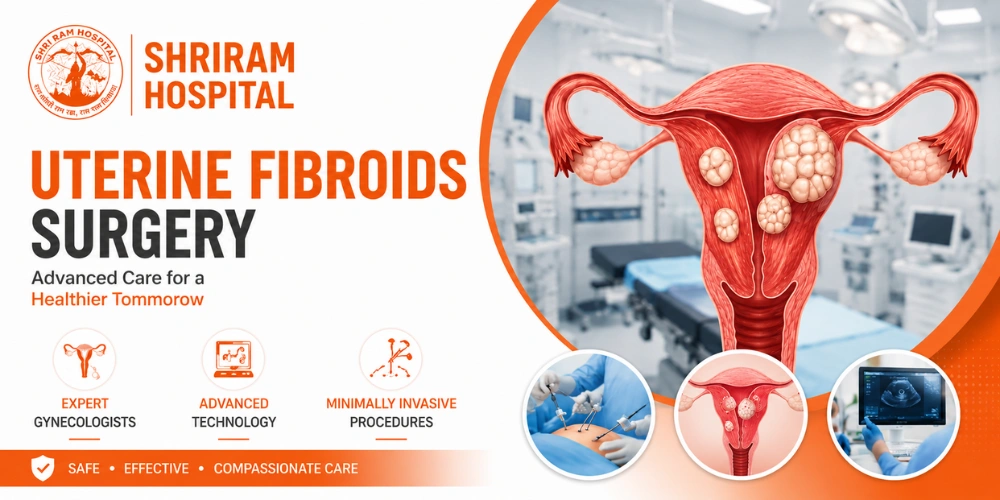
Why Choose Shri Ram Hospital for Fibroid Surgery?
At Shri Ram Hospital, our Department of Obstetrics & Gynaecology is dedicated to providing comprehensive, patient-centered care for women diagnosed with uterine fibroids. Our experienced gynecologists combine advanced minimally invasive surgical techniques with personalized treatment planning to help every patient achieve the best possible clinical outcomes while preserving reproductive health whenever possible.
Whether you require medical management, fertility-preserving fibroid removal, or advanced minimally invasive surgery, our team provides compassionate care supported by modern diagnostic technology and evidence-based treatment protocols.
Why Patients Trust Shri Ram Hospital
| Our Expertise | Patient Benefits |
|---|---|
| Experienced Fibroid Specialists in Delhi | Highly experienced gynecologists specializing in the diagnosis and treatment of all types of uterine fibroids. |
| Advanced Laparoscopic & Hysteroscopic Surgery | Modern minimally invasive procedures that reduce pain, minimize scarring, and promote faster recovery. |
| Fertility-Preserving Treatment Options | Individualized treatment plans focused on preserving the uterus and future pregnancy potential whenever medically appropriate. |
| High-Definition Hysteroscopy & Laparoscopy | Advanced imaging technology allows greater surgical precision and improved treatment outcomes. |
| Modern Ultrasound & Diagnostic Facilities | Comprehensive diagnostic evaluation for accurate assessment of fibroid size, number, and location. |
| Personalized Treatment Plans | Customized care based on symptoms, age, fertility goals, and overall health. |
| NABH & ISO Accredited Multispeciality Hospital | High standards of patient safety, quality healthcare, and evidence-based clinical practices. |
| Comprehensive Pre- and Post-Operative Care | Complete support before surgery, during hospitalization, and throughout the recovery period. |
Our goal is to provide safe, effective, and fertility-conscious fibroid treatment using the latest medical and surgical advancements while ensuring the highest level of patient comfort and care.
What Are Uterine Fibroids?
Uterine fibroids, also known as leiomyomas or myomas, are non-cancerous (benign) growths that develop within or around the uterus. They are among the most common gynecological conditions affecting women during their reproductive years.
Fibroids vary greatly in their size, number, and location. Some women may have a single small fibroid without any symptoms, while others develop multiple large fibroids that can cause heavy menstrual bleeding, pelvic pain, fertility problems, or pressure on nearby organs.
Most fibroids are benign and do not require treatment unless they produce symptoms or interfere with fertility or daily quality of life.
Fibroids Can Vary In
Size: Fibroids may range from microscopic growths to large masses that significantly enlarge the uterus.
Number: Some women develop a single fibroid, while others may have multiple fibroids throughout the uterus.
Location: Fibroids may grow within the uterine wall, inside the uterine cavity, or on the outer surface of the uterus.
Symptoms: Depending on their size and location, fibroids may remain symptom-free or cause heavy bleeding, pelvic pain, urinary symptoms, infertility, and recurrent pregnancy loss.
Types of Fibroids
Uterine fibroids are classified according to the location where they develop within or around the uterus. Identifying the type of fibroid helps gynecologists determine the most appropriate treatment approach and whether fertility-preserving surgery is possible.
Different Types of Uterine Fibroids
| Type of Fibroid | Description |
|---|---|
| Intramural Fibroids | Develop within the muscular wall of the uterus and are the most commonly diagnosed type of fibroid. |
| Submucosal Fibroids | Grow inside the uterine cavity and frequently cause heavy menstrual bleeding, infertility, and recurrent miscarriage. |
| Subserosal Fibroids | Develop on the outer surface of the uterus and may press against nearby organs such as the bladder or bowel. |
| Pedunculated Fibroids | Grow on a thin stalk attached to the uterus and may occur inside or outside the uterine cavity. |
The size, number, and location of fibroids play an important role in deciding whether medical management, hysteroscopic surgery, laparoscopic surgery, or another treatment option is most appropriate.
Symptoms of Fibroids
Many women with uterine fibroids experience no symptoms, particularly when the fibroids are small. However, larger or multiple fibroids may produce symptoms that interfere with daily life, fertility, and reproductive health.
Persistent or worsening symptoms should always be evaluated by an experienced fibroid specialist doctor for accurate diagnosis and timely treatment.
Common Symptoms of Uterine Fibroids
Heavy Menstrual Bleeding: Excessive bleeding during periods is one of the most common symptoms and may lead to anemia if left untreated.
Painful Periods: Fibroids may cause severe menstrual cramps and discomfort during menstruation.
Pelvic Pain: Persistent pain or pressure in the lower abdomen or pelvis may occur due to enlarged fibroids.
Pressure in the Lower Abdomen: Large fibroids may create a feeling of fullness or heaviness in the pelvic region.
Frequent Urination: Fibroids pressing on the bladder may increase urinary frequency and urgency.
Constipation: Pressure on the bowel can interfere with normal bowel movements.
Pain During Intercourse: Depending on their location, fibroids may cause discomfort or pain during sexual activity.
Difficulty Conceiving: Certain fibroids can interfere with implantation or fertility in selected patients.
Recurrent Miscarriage: Submucosal or large fibroids may increase the risk of repeated pregnancy loss in some women.
Enlarged Abdomen: Large fibroids may increase abdominal size, making the abdomen appear swollen or enlarged.
Multiple Fibroids Treatment
Many women develop multiple uterine fibroids, which require individualized treatment based on their symptoms, reproductive goals, and the characteristics of each fibroid. Treatment is planned only after a comprehensive gynecological evaluation and appropriate imaging studies.
At Shri Ram Hospital, our gynecologists develop personalized treatment plans that aim to relieve symptoms while preserving fertility whenever medically appropriate.
Factors Considered While Planning Treatment
Number of Fibroids: The total number of fibroids influences the choice of medical or surgical treatment.
Size of Fibroids: Larger fibroids may require minimally invasive surgery or open surgery depending on their location.
Location: The position of each fibroid determines whether hysteroscopic, laparoscopic, or other surgical techniques are most suitable.
Age of the Patient: Treatment recommendations vary depending on reproductive age and overall health.
Future Pregnancy Plans: Fertility preservation is an important consideration for women planning future pregnancies.
Severity of Symptoms: Heavy bleeding, pelvic pain, infertility, and pressure symptoms help determine whether surgery is required.
Every patient receives a comprehensive evaluation to ensure the most appropriate and evidence-based treatment plan for long-term symptom relief and improved reproductive health.
Fibroid Removal in Delhi
The most appropriate treatment for fibroid removal in Delhi depends on whether the fibroids are causing symptoms, their size, location, number, and the patient's future pregnancy plans. While some women require only regular monitoring, others may benefit from medication or minimally invasive surgery to relieve symptoms and preserve reproductive health.
At Shri Ram Hospital, every patient undergoes a detailed gynecological evaluation before an individualized treatment plan is recommended. Our goal is to provide safe, evidence-based care while preserving the uterus whenever medically appropriate.
Non-Surgical Treatment for Fibroids
Women with small fibroids that are not causing significant symptoms may not require immediate surgery. Instead, doctors may recommend conservative treatment and regular monitoring.
Non-Surgical Treatment Options
Regular Monitoring: Small, symptom-free fibroids can often be observed through periodic ultrasound examinations and routine gynecological follow-up.
Hormonal Medications: Certain hormonal medicines may help reduce heavy menstrual bleeding and temporarily control fibroid-related symptoms.
Iron Supplements: Women experiencing heavy menstrual bleeding may require iron supplementation to prevent or treat anemia.
Pain Relief Medication: Medicines may be prescribed to reduce pelvic pain, menstrual cramps, and discomfort associated with fibroids.
Lifestyle Modifications: Maintaining a healthy weight, regular exercise, and a balanced diet may support overall reproductive health and symptom management.
Although medical treatment can help control symptoms in selected patients, surgery is often recommended for women with large fibroids, severe bleeding, persistent pelvic pain, infertility, or fibroids significantly affecting quality of life.
Hysteroscopic Myomectomy Surgery in Delhi
Hysteroscopic Myomectomy is one of the most advanced minimally invasive procedures used to remove fibroids located inside the uterine cavity (submucosal fibroids). During this procedure, the surgeon inserts a thin hysteroscope through the vagina and cervix, allowing fibroids to be removed without making any external abdominal incision.
This fertility-preserving procedure is especially beneficial for women experiencing heavy menstrual bleeding, recurrent miscarriage, or infertility caused by submucosal fibroids.
Benefits of Hysteroscopic Myomectomy
No Abdominal Incision: The entire procedure is performed through the natural vaginal passage, eliminating the need for external surgical cuts.
Minimal Pain: Patients generally experience less postoperative discomfort compared to traditional open surgery.
Same-Day or Short Hospital Stay: Many women can return home on the same day or after a brief hospital stay, depending on their recovery.
Faster Recovery: Minimally invasive surgery allows quicker healing and an earlier return to daily activities.
Uterus Preservation: The uterus is preserved, making this procedure an excellent option for women wishing to retain their fertility.
Improved Fertility in Selected Patients: Removal of submucosal fibroids may improve the chances of conception and healthy pregnancy in appropriately selected women.
Hysteroscopic myomectomy is particularly recommended for submucosal fibroids after careful clinical evaluation and imaging studies.
Laparoscopic Fibroid Removal Surgery
Women with large fibroids or multiple uterine fibroids may benefit from laparoscopic myomectomy, an advanced minimally invasive surgical procedure performed through a few small incisions using a high-definition camera and specialized surgical instruments.
This technique allows the surgeon to remove fibroids while preserving the uterus whenever possible, making it a preferred option for many women planning future pregnancies.
Advantages of Laparoscopic Myomectomy
Small Incisions: Tiny surgical cuts minimize tissue damage and leave minimal visible scarring.
Less Pain: Patients usually experience significantly less postoperative discomfort than with conventional open surgery.
Minimal Blood Loss: Advanced laparoscopic techniques help reduce intraoperative bleeding and improve surgical safety.
Faster Healing: Smaller incisions promote quicker wound healing and faster recovery.
Short Hospital Stay: Most patients can return home sooner depending on their recovery progress.
Better Cosmetic Outcome: Small incisions result in minimal scarring and improved cosmetic appearance.
Early Return to Normal Activities: Most women are able to resume their routine work and daily activities earlier than after open surgery.
Laser Treatment for Fibroids
Many women search online for laser treatment for fibroids while exploring minimally invasive treatment options. Although laser-assisted technology may be used in selected hysteroscopic procedures, it is important to understand that laser treatment is not considered the standard treatment for most uterine fibroids.
The choice of treatment depends primarily on the size, number, location of fibroids, severity of symptoms, and the patient's fertility goals.
Evidence-Based Treatment Options for Fibroids
| Treatment | When It May Be Recommended |
|---|---|
| Hysteroscopic Myomectomy | Recommended for fibroids located inside the uterine cavity (submucosal fibroids). |
| Laparoscopic Myomectomy | Suitable for many women with larger or multiple fibroids while preserving the uterus. |
| Open Myomectomy | Recommended for very large, multiple, or complex fibroids when minimally invasive surgery is not appropriate. |
| Hysterectomy | Considered when childbearing is complete or when other treatment options are not suitable. |
Your gynecologist will recommend the most appropriate treatment after evaluating your medical history, imaging studies, symptoms, and future reproductive plans.
Fibroid Surgery Procedure
At Shri Ram Hospital, fibroid surgery is planned carefully to ensure patient safety, preserve fertility whenever possible, and achieve the best long-term outcomes. Every patient undergoes a detailed evaluation before surgery, followed by personalized treatment planning based on the characteristics of the fibroids.
Step 1 – Consultation
During the initial consultation, your gynecologist performs a comprehensive assessment to understand your overall health and determine the most appropriate treatment plan.
Medical History: Previous illnesses, menstrual history, pregnancies, surgeries, and current medications are carefully reviewed.
Symptoms: Heavy menstrual bleeding, pelvic pain, infertility, urinary symptoms, and other complaints are evaluated in detail.
Fertility Plans: Future pregnancy goals are considered while selecting the most appropriate treatment option.
Step 2 – Investigations
Depending on your condition, the gynecologist may recommend the following diagnostic tests:
Pelvic Ultrasound: To assess the size, number, and location of fibroids.
MRI (Selected Cases): Recommended when additional detailed imaging is required for surgical planning.
Blood Tests: To evaluate overall health, anemia, and surgical fitness.
Hysteroscopy: Used in selected patients to directly examine the uterine cavity and diagnose submucosal fibroids.
Routine Pre-Operative Evaluation: Includes all necessary investigations to ensure patient safety before surgery.
Step 3 – Surgery
Based on the evaluation findings, the gynecologist may perform one of the following procedures:
Hysteroscopic Myomectomy
Laparoscopic Myomectomy
Open Myomectomy
Hysterectomy
Step 4 – Recovery
Most women undergoing minimally invasive fibroid surgery experience faster healing, reduced pain, shorter hospital stays, and an earlier return to their normal daily activities compared to traditional open surgery.
Recovery After Fibroid Surgery
Recovery after fibroid surgery depends on the type of procedure performed, the number and size of fibroids removed, and the patient's overall health. Women undergoing minimally invasive procedures such as hysteroscopic or laparoscopic myomectomy generally experience quicker recovery compared to open surgery.
Following your gynecologist's postoperative instructions, taking prescribed medications, maintaining proper nutrition, and attending follow-up appointments are essential for smooth healing and long-term reproductive health.
First Week After Surgery
During the first week after surgery, the body begins its healing process. Patients are advised to take adequate rest while gradually resuming light daily activities as recommended by their doctor.
Rest Adequately: Proper rest helps the body heal and reduces the risk of postoperative complications.
Stay Hydrated: Drinking sufficient fluids supports recovery, improves digestion, and helps prevent constipation.
Take Prescribed Medications: Pain relief medicines and other prescribed medications should be taken exactly as advised by the gynecologist.
Avoid Heavy Lifting: Heavy lifting and strenuous physical activity should be avoided until your doctor confirms complete healing.
Attend Follow-Up Appointments: Regular postoperative visits allow your surgeon to monitor recovery and identify any concerns early.
Recovery During Weeks 2–6
As healing progresses, most women gradually return to their normal routine depending on the type of surgery performed and their individual recovery.
Return to Office Work: Many patients can resume desk-based work after medical clearance, particularly following minimally invasive surgery.
Walking: Gentle walking is encouraged as it promotes circulation and supports overall recovery.
Household Activities: Light household tasks may be resumed gradually according to your doctor's advice.
Light Exercise: Gentle stretching and low-impact exercise can usually be restarted after medical approval, while strenuous workouts should be avoided until complete recovery.
Recovery time varies depending on whether the patient has undergone hysteroscopic myomectomy, laparoscopic myomectomy, open myomectomy, or hysterectomy. Your gynecologist will provide individualized recovery instructions based on your procedure.
Fibroid Surgery Cost in Delhi
One of the most common questions women ask is, "What is the fibroid surgery cost in Delhi?" The overall treatment cost varies from one patient to another because every fibroid case is unique and requires an individualized treatment approach.
At Shri Ram Hospital, every patient receives a comprehensive evaluation before surgery. Based on the clinical findings, our gynecologists recommend the most appropriate treatment plan along with transparent cost estimates.
Factors Affecting Fibroid Surgery Cost
| Factor | How It Influences the Cost |
|---|---|
| Number of Fibroids | Multiple fibroids often require more complex surgical planning and longer operating time. |
| Size of Fibroids | Larger fibroids may require advanced surgical techniques or open surgery. |
| Surgical Technique | Hysteroscopic, laparoscopic, open myomectomy, or hysterectomy each involve different surgical approaches and technologies. |
| Hospital Stay | The duration of hospitalization depends on the procedure performed and the patient's recovery. |
| Surgeon's Experience | Experienced gynecological surgeons provide greater surgical precision and improved clinical outcomes. |
| Diagnostic Investigations | Ultrasound, MRI (when required), blood investigations, and other tests are essential for treatment planning. |
| Insurance Coverage | Insurance eligibility and approved health schemes may influence the patient's overall treatment expenses. |
Following a detailed consultation, patients receive an individualized treatment plan with transparent pricing based on their specific medical condition and surgical requirements.
Why Early Fibroid Treatment Is Important
Although many uterine fibroids remain symptom-free, delaying treatment for symptomatic fibroids may lead to progressive health problems and reduced quality of life. Early diagnosis allows gynecologists to recommend the most appropriate treatment before complications become more serious.
Timely management also helps preserve fertility whenever possible and reduces the likelihood of requiring more extensive surgery in the future.
Complications of Untreated Fibroids
Severe Anemia: Heavy menstrual bleeding caused by fibroids can lead to significant iron deficiency and anemia.
Infertility: Certain fibroids may interfere with implantation, conception, or normal reproductive function.
Recurrent Miscarriage: Submucosal and large fibroids may increase the risk of repeated pregnancy loss in some women.
Chronic Pelvic Pain: Persistent pelvic discomfort and pressure may gradually worsen if fibroids continue to grow.
Urinary Problems: Large fibroids may compress the bladder, causing frequent urination, urgency, or difficulty emptying the bladder.
Enlarging Fibroids: Fibroids may continue to increase in size over time, making future treatment more complex.
Reduced Quality of Life: Heavy bleeding, pain, fatigue, and fertility concerns can significantly affect daily activities and emotional well-being.
Early medical evaluation and appropriate treatment help preserve reproductive health, relieve symptoms, and improve long-term overall well-being.
Why Women Choose Shri Ram Hospital
Women from Vikaspuri, Janakpuri, Dwarka, Uttam Nagar, Tilak Nagar, Rajouri Garden, Paschim Vihar, Punjabi Bagh, Naraina, Kirti Nagar, Peeragarhi, Nangloi, and across Delhi NCR choose Shri Ram Hospital for advanced fibroid treatment because of our experienced gynecology team, modern minimally invasive surgical facilities, and personalized women's healthcare services.
We are committed to providing safe, evidence-based treatment while preserving fertility whenever medically appropriate and ensuring every patient receives compassionate care throughout her treatment journey.
Why Patients Trust Shri Ram Hospital
| Our Expertise | Patient Benefits |
|---|---|
| Experienced Gynecologists | Highly qualified specialists experienced in diagnosing and treating all types of uterine fibroids. |
| Advanced Minimally Invasive Surgery | Modern hysteroscopic and laparoscopic procedures that support faster recovery and reduced postoperative pain. |
| Fertility-Preserving Procedures | Treatment plans designed to preserve the uterus and future pregnancy potential whenever possible. |
| Personalized Women's Healthcare | Individualized care based on symptoms, age, fertility goals, and overall reproductive health. |
| Modern Operation Theatres | Advanced modular operation theatres equipped with high-definition minimally invasive surgical technology. |
| Comprehensive Postoperative Care | Regular follow-up consultations, recovery guidance, and long-term gynecological support after surgery. |
Our multidisciplinary team remains dedicated to helping every woman receive safe, personalized, and evidence-based fibroid treatment with the goal of improving reproductive health, preserving fertility whenever appropriate, and ensuring an excellent quality of life.
Book an Appointment