In the Beginning
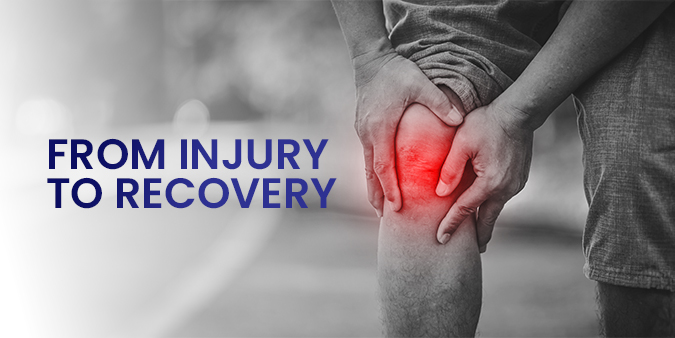
ACL reconstruction is a minimally invasive (arthroscopic) surgery that replaces a torn anterior cruciate ligament with a tendon graft, typically taking 60–90 minutes. Depending on the injury, rehabilitation, and individual recovery, many patients return to sports within 9–12 months.
An ACL (Anterior Cruciate Ligament) tear is one of the most common knee injuries seen in athletes, fitness enthusiasts, and even people involved in everyday accidents. Whether it occurs during football, cricket, badminton, basketball, gym workouts, or a sudden slip, an ACL injury can make simple activities like walking, climbing stairs, or changing direction extremely difficult.
The encouraging news is that modern arthroscopic ACL reconstruction surgery has transformed the way these injuries are treated. With minimally invasive techniques, advanced graft fixation, and structured rehabilitation programs, many patients successfully return to work, recreational activities, and competitive sports after recovery.
Table of Contents
- Understanding an ACL Tear
- Common Causes and Symptoms
- When Is Surgery Required?
- Benefits of ACL Reconstruction Surgery
- Preparing for ACL Surgery (Pre-Surgery Guide)
- What Happens During ACL Surgery?
- Recovery After ACL Surgery (Post-Surgery Guide)
- ACL Rehabilitation Timeline
- Risks and Possible Complications
- Success Stories: Life After ACL Surgery
- Tips for Faster Recovery
- Why Choose Shri Ram Hospital for ACL Surgery?
- Frequently Asked Questions
Understanding an ACL Tear
The Anterior Cruciate Ligament (ACL) is one of the four major ligaments that stabilize the knee joint.
An ACL tear usually occurs when the knee twists suddenly while the foot remains planted. This injury is especially common during sports involving jumping, pivoting, or sudden direction changes.
Without proper treatment, the knee may repeatedly "give way," increasing the risk of cartilage damage, meniscus injuries, and early arthritis.
Common Causes and Symptoms
Common Causes
An ACL injury may result from:
- Sudden twisting of the knee
- Landing awkwardly after a jump
- Rapid changes in direction
- Direct impact during sports
- Road traffic accidents
- Falls
Common Symptoms
Patients often experience:
- A popping sensation at the time of injury
- Immediate swelling
- Severe knee pain
- Difficulty walking
- Knee instability
- Reduced range of motion
- Feeling that the knee may buckle
When Is Surgery Required?
Not every ACL injury requires surgery.
Your orthopaedic surgeon may recommend ACL reconstruction if:
- The ACL is completely torn.
- The knee remains unstable.
- You participate in sports or physically demanding work.
- Other structures such as the meniscus are also injured.
- Physiotherapy alone has not restored knee function.
- Repeated episodes of the knee "giving way" occur.
Treatment decisions are based on your age, activity level, goals, and overall knee condition.
Benefits of ACL Reconstruction Surgery
Modern arthroscopic ACL surgery offers several benefits:
- Restores knee stability
- Helps prevent further knee damage
- Improves confidence while walking and running
- Allows return to sports for many patients
- Small incisions
- Less postoperative pain
- Faster rehabilitation compared with traditional open procedures
- Better long-term knee function when combined with physiotherapy
Preparing for ACL Surgery (Pre-Surgery Guide)
Good preparation can improve both surgical safety and recovery.
Medical Evaluation
Before surgery, your doctor may recommend:
- Physical examination
- MRI scan
- X-rays if required
- Blood investigations
- ECG (for selected patients)
- Pre-anesthesia assessment
Prehabilitation
Many surgeons advise physiotherapy before surgery to:
- Reduce swelling
- Restore knee movement
- Strengthen the quadriceps and hamstrings
- Improve postoperative recovery
Medication Review
Inform your doctor about:
- Blood thinners
- Diabetes medications
- Allergies
- Previous surgeries
- Existing medical conditions
Never stop medications without your doctor's advice.
One Day Before Surgery
Patients are generally advised to:
- Follow fasting instructions
- Wear comfortable clothing
- Arrange transportation home
- Carry previous reports and MRI scans
- Prepare home support for the first few days
What Happens During ACL Surgery?
Step 1 – Admission: Hospital registration and final pre-operative evaluation are completed.
Step 2 – Anesthesia: General or spinal anesthesia is administered.
Step 3 – Arthroscopic Procedure: Using tiny incisions and an arthroscope (camera), the surgeon:
- Removes the damaged ACL
- Prepares bone tunnels
- Places a tendon graft
- Secures the graft using specialized fixation devices
Most procedures take approximately 60–90 minutes.
Step 4 – Recovery Room: Patients are monitored until they recover from anesthesia. Many patients are discharged within 24 hours, depending on the surgeon's advice.
Recovery After ACL Surgery (Post-Surgery Guide)
Recovery is a gradual process and depends heavily on physiotherapy.
First Week
Focus on:
- Pain management
- Ice application
- Elevation
- Walking with crutches if advised
- Gentle exercises
- Reducing swelling
Weeks 2–6
Goals include:
- Improving knee movement
- Restoring flexibility
- Increasing weight-bearing
- Strengthening thigh muscles
Months 2–4
Patients usually begin:
- Stationary cycling
- Balance exercises
- Functional strengthening
- Controlled jogging when approved
Months 6–12
Advanced rehabilitation includes:
- Running
- Jump training
- Agility drills
- Sport-specific exercises
- Return-to-play assessment
Most athletes require 9–12 months before returning to competitive sports safely.
ACL Rehabilitation Timeline
Successful surgery depends on structured rehabilitation. A physiotherapy program may include:
- Range-of-motion exercises
- Muscle strengthening
- Balance training
- Neuromuscular exercises
- Walking correction
- Functional movement training
- Sports-specific rehabilitation
Skipping physiotherapy may delay recovery and increase the risk of re-injury.
Risks and Possible Complications
Although ACL reconstruction is considered safe, possible complications include:
- Infection
- Bleeding
- Blood clots
- Knee stiffness
- Persistent pain
- Graft failure
- Re-injury
- Limited knee movement
Choosing an experienced surgeon and following rehabilitation instructions helps reduce these risks.
Success Stories: Life After ACL Surgery
Many patients successfully return to active lifestyles after completing rehabilitation.
Returning to Sports: Athletes often resume football, cricket, badminton, basketball, and running after receiving medical clearance.
Returning to Work: Office workers usually return sooner than patients performing physically demanding jobs.
Better Quality of Life: Patients frequently report:
- Improved knee stability
- Less pain
- Increased confidence
- Better mobility
- Greater participation in sports and recreational activities
Individual recovery varies depending on injury severity, surgical technique, and rehabilitation commitment.
Tips for Faster Recovery
For the best outcome:
- Never skip physiotherapy sessions.
- Perform home exercises regularly.
- Eat a protein-rich diet.
- Stay hydrated.
- Sleep adequately.
- Avoid smoking.
- Do not return to sports too early.
- Attend every follow-up appointment.
Why Choose Shri Ram Hospital for ACL Surgery?
Patients looking for ACL Tear Surgery in Delhi can benefit from comprehensive orthopaedic care at Shri Ram Hospital, including:
- Experienced arthroscopic surgeons
- Advanced operation theatres
- Modern diagnostic imaging
- Personalized rehabilitation programs
- Dedicated physiotherapy support
- Comprehensive orthopaedic care
Early diagnosis, appropriate surgical planning, expert care, and structured rehabilitation work together to support recovery of knee function.
Learn more about Best Hospital for ACL Surgery in Vikaspuri and the available orthopaedic care options.
You can also explore our detailed guide on ACL Tear Surgery in Delhi for information about treatment, surgery, and rehabilitation.
Frequently Asked Questions (FAQs)
Is ACL surgery always necessary?
No. Partial tears or low-demand patients may improve with physiotherapy alone. Surgery may be recommended for patients with complete tears and persistent instability, depending on individual circumstances.
How long does ACL surgery take?
Most arthroscopic ACL reconstruction procedures take approximately 60–90 minutes, depending on the complexity of the injury and associated procedures.
When can I walk after surgery?
Many patients begin walking with support and crutches shortly after surgery, depending on their surgeon's instructions and the extent of the procedure.
Is physiotherapy really necessary?
Yes. Rehabilitation is an important part of ACL recovery and helps restore strength, flexibility, balance, and knee function.
When can I drive again?
Driving depends on which knee was operated on, your strength, mobility, medication use, and your surgeon's advice.
When can I return to sports?
Many patients require approximately 9–12 months of rehabilitation before returning to competitive sports. Return should be based on functional recovery and medical clearance rather than time alone.
Can an ACL tear happen again?
Yes. Re-injury is possible if rehabilitation is incomplete or sports are resumed before the knee is adequately prepared.
Is ACL surgery successful?
ACL reconstruction can successfully restore knee stability in appropriately selected patients when combined with structured rehabilitation and appropriate follow-up.
This article is for informational purposes only and does not replace professional medical advice. Please consult an orthopaedic surgeon for diagnosis and treatment specific to your condition.