
Cancer Hospital in Delhi: Expert Oncology Treatment and Compassionate Care
A cancer diagnosis can raise many questions about treatment, recovery, and the next steps. At Shri Ram Multi-Speciality Hospital, our oncology team supports patients through every stage of care, from the first consultation and diagnosis to treatment, recovery, and long-term follow-up.
If you are searching for a cancer hospital in Delhi where you can receive clear information, personalized attention, and coordinated oncology care, our team is available to support you. Shri Ram Hospital provides care 24 hours a day, 7 days a week.
Helpline: +91 6262304050
Why Choose Shri Ram Hospital for Cancer Care?
Cancer treatment often involves multiple stages and may require different medical specialists. Shri Ram Hospital focuses on coordinated, patient-centered oncology care to help patients and their families understand their diagnosis and treatment options.
| Why Choose Shri Ram Hospital | What We Offer |
|---|---|
| Experienced Cancer Specialists | Our specialists develop treatment plans based on the cancer type, stage, and the patient's overall health. |
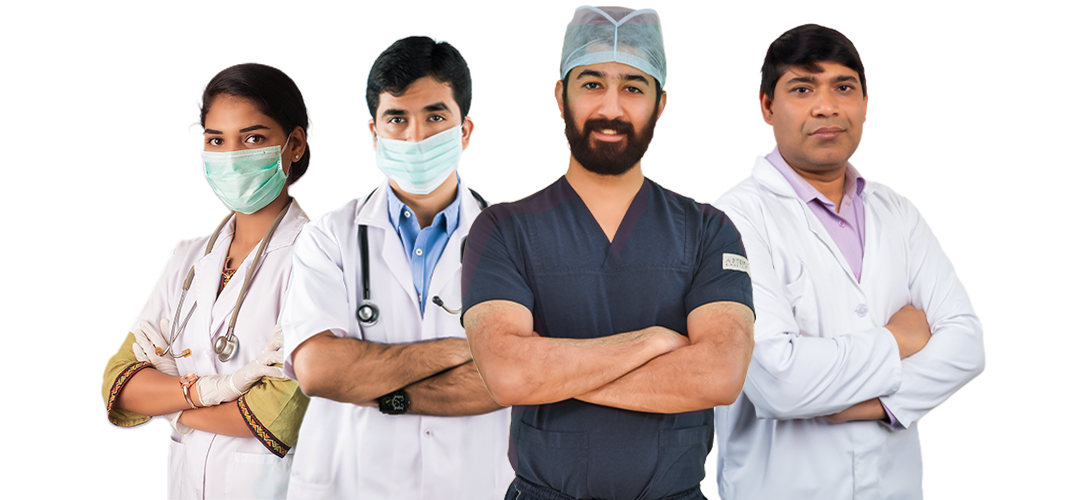
| Team-Based Decisions | Oncology care may involve oncologists, surgeons, radiologists, pathologists, nurses, and other healthcare professionals working together. |
| Diagnostic Support | In-house pathology and imaging services support the diagnostic and treatment planning process. |
| 24x7 Emergency Care and ICU Support | Emergency and intensive care support is available when complications arise during treatment. |
| Personalised Care | Treatment planning takes into account the patient's needs, questions, preferences, and overall circumstances. |
| Clear Communication | Our team helps patients and their families understand the different stages of diagnosis, treatment, and follow-up. |
Oncology Treatment We Offer
Cancer treatment varies depending on the type and stage of cancer, test results, overall health, and other individual factors. The oncology team evaluates these factors before recommending an appropriate treatment plan.
Chemotherapy Treatment
Chemotherapy uses medicines to destroy cancer cells or stop them from growing. Depending on the cancer and treatment plan, chemotherapy may be given before surgery to shrink a tumour, after surgery to reduce the risk of recurrence, or as the main treatment.
Each treatment cycle is planned according to the patient's specific treatment protocol. The oncology team also monitors patients and provides guidance for managing possible side effects such as nausea, fatigue, and low blood counts.
Immunotherapy for Cancer
Immunotherapy helps the body's immune system identify and attack cancer cells. It is suitable for selected cancers and patients, and its use depends on factors such as tumour type, laboratory and diagnostic results, and the patient's overall health.
Your oncologist will assess the available test results and your individual circumstances before determining whether immunotherapy is an appropriate treatment option.
Targeted Therapy for Cancer
Targeted therapy focuses on specific genes or proteins that help cancer cells grow and survive. Its use is often guided by laboratory testing of the tumour to identify relevant molecular or biological characteristics.
Targeted therapy can have side effects that differ from those associated with traditional chemotherapy. Your oncology team can explain the expected benefits, potential risks, and monitoring requirements before treatment begins.
Surgical Oncology
Surgical oncology involves the surgical management of selected cancers. Our surgeons perform open and minimally invasive procedures for cancers involving areas such as the breast, colon and rectum, abdomen, and endocrine glands.
The surgical approach depends on the type, location, and stage of cancer, as well as the patient's overall health. The focus is on appropriate surgical treatment while supporting recovery and minimizing unnecessary discomfort where possible.
Palliative Care
Palliative care focuses on relieving symptoms such as pain, breathlessness, fatigue, and emotional stress. It can be provided at any stage of illness and may be given alongside cancer-directed treatment.
Palliative care supports both patients and their families by addressing physical symptoms as well as emotional and supportive needs. If you are looking for palliative care near you, our team can guide you regarding available care and support.
Advanced Cancer Treatment: How We Plan Your Care
Cancer treatment is planned according to the individual's diagnosis, cancer type, stage, test results, overall health, and treatment goals. At Shri Ram Hospital, the oncology team follows a structured approach to help patients understand their diagnosis and available treatment options.
| Stage of Care | What It Involves |
|---|---|
| Consultation and Diagnosis | Medical history, physical examination, imaging, laboratory investigations, and biopsy when required to establish the diagnosis. |
| Staging and Team Review | Assessment of the extent of cancer and review by relevant specialists to develop an appropriate treatment plan. |
| Treatment | Surgery, chemotherapy, immunotherapy, targeted therapy, or a combination of treatments depending on the diagnosis. |
| Supportive Care | Pain management, nutrition guidance, physiotherapy, counselling, and other supportive services when required. |
| Follow-Up | Regular consultations, investigations, and scans to monitor treatment response and recovery. |
1. Consultation and Diagnosis
The cancer care journey generally begins with a detailed medical history and clinical examination. Depending on the symptoms and initial findings, the oncology team may recommend imaging, laboratory investigations, and a biopsy to establish the type and characteristics of the cancer.
Accurate diagnosis provides the foundation for selecting an appropriate treatment approach and helps the medical team understand the patient's individual condition.
2. Staging and Team Review
Once a cancer diagnosis has been established, determining its stage helps the medical team understand how extensively the disease has developed and supports treatment planning.
Cancer care may involve multiple specialists, including oncologists, surgeons, radiologists, pathologists, and other healthcare professionals. Team-based review helps bring together relevant clinical and diagnostic information when developing the treatment plan.
3. Treatment
Depending on the cancer type, stage, test results, and patient's overall health, treatment may involve surgery, chemotherapy, immunotherapy, targeted therapy, or a combination of treatments.
The treatment plan is individualized rather than being the same for every patient. Your oncology team can explain the purpose of each recommended treatment, expected benefits, possible side effects, and the monitoring required during therapy.
4. Supportive Care
Supportive care is an important part of cancer treatment. Depending on individual needs, patients may receive support for pain management, nutrition, physiotherapy, emotional wellbeing, and other treatment-related concerns.
Supportive services can be provided alongside cancer-directed treatment to help patients manage symptoms and maintain quality of life throughout their care journey.
5. Follow-Up
Follow-up care continues after the active phase of treatment. Regular consultations, investigations, and scans may be recommended according to the patient's cancer type, treatment plan, and clinical requirements.
Follow-up allows the medical team to monitor recovery, assess treatment response, identify concerns, and provide ongoing care when required.
Find a Cancer Specialist Near You
If you are searching for a cancer specialist near me, Shri Ram Hospital is accessible to patients across Delhi and nearby areas. Our oncology team can guide patients through consultation, diagnosis, treatment planning, supportive care, and follow-up.
A cancer specialist can evaluate your symptoms, medical history, diagnostic reports, and other relevant information before recommending the next appropriate step.
Patients can book a consultation or contact the hospital helpline for assistance with appointments and oncology-related queries.
Call now: +91 6262304050
Open 24 hours, 7 days a week
Comprehensive Cancer Care at Shri Ram Hospital
Cancer care often requires coordination between different medical specialties and support services. Shri Ram Hospital focuses on providing patients with a structured care pathway that begins with diagnosis and continues through treatment, recovery, and follow-up.
The oncology team works with relevant specialists to review the patient's condition and determine an appropriate treatment approach. Depending on the diagnosis, this may include surgery, chemotherapy, immunotherapy, targeted therapy, supportive care, or a combination of treatments.
Multidisciplinary Approach to Cancer Treatment
Cancer treatment may involve several healthcare professionals working together. Oncologists, surgeons, radiologists, pathologists, nurses, and other specialists may contribute to different stages of diagnosis and treatment.
A team-based approach allows relevant medical information to be considered when planning treatment and helps patients understand how different aspects of their cancer care fit together.
Cancer Diagnosis and Diagnostic Support
Accurate diagnosis is an important part of cancer treatment planning. Depending on the patient's symptoms and clinical findings, the diagnostic process may include medical evaluation, laboratory investigations, imaging, and biopsy.
Shri Ram Hospital provides access to in-house pathology and imaging services to support the diagnostic and treatment planning process.
Personalized Cancer Treatment Planning
Cancer does not affect every patient in the same way. Treatment decisions can depend on the type and stage of cancer, tumour characteristics, diagnostic findings, overall health, and other individual factors.
The oncology team discusses the available treatment options with patients and their families so they can understand the recommended approach, expected treatment process, possible side effects, and follow-up requirements.
Support Throughout the Treatment Journey
Cancer treatment can involve physical and emotional challenges. Supportive services such as pain management, nutrition guidance, physiotherapy, counselling, and palliative care may be incorporated into the treatment plan when appropriate.
Palliative care can help manage symptoms such as pain, breathlessness, fatigue, and emotional stress and may be provided alongside cancer-directed treatment.
Cancer Care for Patients Across Delhi
Patients from different parts of Delhi and nearby areas can access oncology consultation and treatment at Shri Ram Hospital. The hospital's location and coordinated services can provide patients with access to consultation, diagnostic support, treatment, emergency care, and follow-up.
Whether you are seeking an initial cancer consultation, a second medical opinion, treatment planning, or ongoing oncology follow-up, the appropriate specialist can review your medical reports and guide you regarding the next step.
When Should You Consult a Cancer Specialist?
If you have been diagnosed with cancer, received an abnormal biopsy or imaging result, or have been advised to consult an oncologist, scheduling a specialist consultation can help you understand the diagnosis and available treatment options.
Patients undergoing cancer treatment should also maintain regular follow-up with their treating team and report new or worsening symptoms promptly.
Book a Cancer Consultation in Delhi
If you or a family member needs cancer evaluation or oncology treatment, Shri Ram Hospital's team can help you take the next step. Bring your previous medical reports, imaging results, biopsy reports, and current medication details to your consultation whenever available.
Contact the hospital to schedule an appointment with the appropriate cancer specialist and discuss your diagnosis and treatment requirements.