

In the Beginning
High blood pressure, also called hypertension, is one of the most common conditions affecting adults and is often described as a “silent” health problem because it may not cause noticeable symptoms for years. However, consistently elevated blood pressure can gradually put extra strain on the heart and blood vessels.
When blood pressure remains uncontrolled, the heart has to work harder to pump blood throughout the body. Over time, this can contribute to changes in the heart muscle and increase the risk of conditions such as coronary artery disease, heart failure, abnormal heart rhythms, stroke, and kidney problems.
Many people with high blood pressure can be effectively managed by a primary care doctor. However, there are situations where seeing a cardiologist can provide more specialized evaluation, particularly when blood pressure remains difficult to control, cardiovascular symptoms develop, or there are other risk factors for heart disease.
Table of Contents
1. What Is High Blood Pressure?
2. How Does High Blood Pressure Affect the Heart?
3. Why Is High Blood Pressure Called a Silent Condition?
4. What Blood Pressure Numbers Mean
5. When Should You See a Cardiologist for High Blood Pressure?
6. Signs That Your Blood Pressure May Be Affecting Your Heart
7. High Blood Pressure and Heart Disease
8. High Blood Pressure and Heart Failure
9. High Blood Pressure and Abnormal Heart Rhythm
10. Tests a Cardiologist May Recommend
11. What Happens During a Cardiology Consultation?
12. Resistant or Difficult-to-Control High Blood Pressure
13. High Blood Pressure With Chest Pain or Breathlessness
14. Lifestyle Measures for Better Heart Health
15. FAQs
16. Conclusion
What Is High Blood Pressure?
Blood pressure is the force exerted by circulating blood against the walls of the arteries. It is measured using two numbers: systolic blood pressure and diastolic blood pressure.
The systolic number is the pressure when the heart contracts and pumps blood, while the diastolic number represents the pressure when the heart relaxes between beats.
Blood pressure can vary throughout the day because of physical activity, stress, sleep, illness, caffeine, medications, and other factors. Therefore, one elevated reading does not necessarily establish a diagnosis of hypertension. Doctors may use repeated measurements, home monitoring, or ambulatory blood-pressure monitoring to understand a person's usual blood pressure.
| Blood Pressure Measurement | What It Represents |
|---|---|
| Systolic pressure | Pressure in the arteries when the heart contracts and pumps blood |
| Diastolic pressure | Pressure in the arteries when the heart relaxes between beats |
| Blood pressure reading | Provides information about the pressure within the arterial system |
How Does High Blood Pressure Affect the Heart?
When blood pressure stays elevated over a long period, the heart must pump against greater resistance. This increased workload can cause the heart muscle, particularly the left ventricle, to become thicker.
This change is known as left ventricular hypertrophy. Although the heart can initially compensate for the additional workload, persistent high blood pressure can eventually affect the heart's ability to relax and pump efficiently.
Long-term hypertension can also contribute to damage within the arteries. When combined with other risk factors such as high cholesterol, diabetes, smoking, obesity, physical inactivity, or a family history of cardiovascular disease, the overall risk of heart-related complications can increase.
Why Is High Blood Pressure Called a Silent Condition?
Many people with hypertension do not experience obvious symptoms, even when their blood pressure has been elevated for a long time. This is one reason regular blood-pressure checks are important.
Headaches, dizziness, tiredness, or nosebleeds are sometimes associated with high blood pressure, but these symptoms are not reliable indicators of hypertension. A person can have significantly elevated blood pressure without feeling unwell.
Because symptoms may be absent, relying only on how you feel can allow high blood pressure to remain undetected or inadequately controlled.
What Blood Pressure Numbers Mean
Blood-pressure categories can vary slightly between clinical guidelines and individual circumstances. Doctors consider the actual readings, how consistently they are elevated, the method of measurement, and the person's overall cardiovascular risk.
| Measurement | What Doctors Consider |
|---|---|
| Repeatedly elevated readings | May require lifestyle changes, monitoring, and medical evaluation |
| Persistently high readings | May indicate hypertension and require treatment based on overall risk |
| Very high readings | Require prompt assessment, particularly if symptoms are present |
| Very high blood pressure with serious symptoms | May represent a medical emergency and requires immediate evaluation |
For an accurate assessment, blood pressure should be measured correctly. The person should generally be seated and rested, with the arm appropriately supported and the correct cuff size used. Repeated readings can provide a more useful picture than a single measurement.
When Should You See a Cardiologist for High Blood Pressure?
Not everyone with high blood pressure automatically needs to see a cardiologist. Many patients can initially be evaluated and treated by a primary care doctor or general physician.
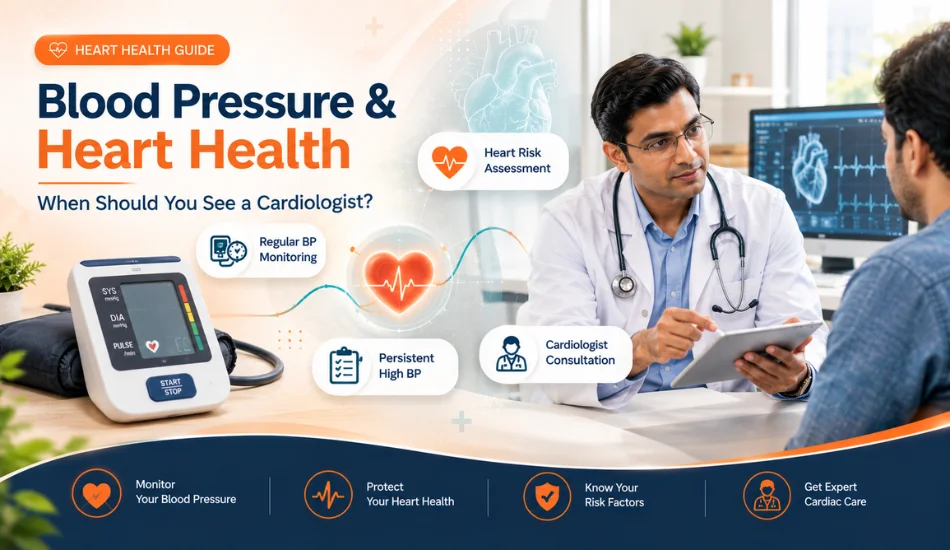
However, a cardiology consultation may be appropriate when blood pressure remains uncontrolled despite treatment, when there are symptoms suggesting cardiovascular disease, or when a person has additional risk factors or known heart disease.
Situations where a cardiologist may be particularly helpful include:
• Blood pressure remains high despite taking prescribed medicines
• Several medications are required to control blood pressure
• Blood pressure is repeatedly very high
• There is a history of heart disease or heart failure
• Chest pain or pressure occurs
• Shortness of breath develops, especially during activity or while lying down
• Palpitations or an irregular heartbeat occur
• Unexplained dizziness or fainting occurs
• There is evidence of heart enlargement or other cardiac changes
• There are multiple cardiovascular risk factors
• High blood pressure develops at an unusually young age
• Blood-pressure readings vary significantly or are difficult to explain
• A doctor suspects complications involving the heart or blood vessels
Signs That High Blood Pressure May Be Affecting Your Heart
Hypertension itself may not cause symptoms, but complications involving the cardiovascular system can produce warning signs. These symptoms should not automatically be attributed to blood pressure alone because they can have many possible causes.
Potential warning signs include persistent or recurrent chest discomfort, breathlessness during physical activity, unusual fatigue, swelling of the legs or ankles, palpitations, dizziness, reduced exercise tolerance, or episodes of fainting.
If such symptoms are new, persistent, worsening, or associated with other concerning symptoms, medical evaluation is important.
High Blood Pressure and Coronary Artery Disease
Long-term high blood pressure can contribute to damage of the artery walls and is an important risk factor for coronary artery disease. When coronary arteries become narrowed by plaque buildup, the heart muscle may receive less blood and oxygen.
Some people with coronary artery disease experience chest pressure or discomfort during physical activity, while others may have less typical symptoms. A cardiologist can assess symptoms and cardiovascular risk and determine whether further testing is appropriate.
High Blood Pressure and Heart Failure
Uncontrolled hypertension can increase the workload placed on the heart over many years. This can contribute to structural changes and may eventually increase the risk of heart failure.
Heart failure does not mean that the heart has completely stopped working. It means that the heart is unable to pump or fill as effectively as the body requires. Symptoms can include breathlessness, persistent tiredness, reduced exercise tolerance, and swelling in the legs or feet.
Early identification and appropriate management of high blood pressure can help reduce cardiovascular risk and protect heart health.
High Blood Pressure and Abnormal Heart Rhythm
High blood pressure can be associated with structural changes in the heart that may increase the risk of certain rhythm abnormalities. However, palpitations or an irregular heartbeat can have many causes.
If you frequently experience a racing heartbeat, fluttering sensation, skipped beats, dizziness, or fainting, a doctor may recommend an ECG or longer-term heart-rhythm monitoring depending on the symptoms.
When High Blood Pressure Becomes Difficult to Control
Some people continue to have elevated blood pressure despite following treatment recommendations and taking prescribed medications. This may be described as resistant or difficult-to-control hypertension, depending on the clinical circumstances.
When blood pressure is difficult to control, doctors may review medication combinations, dosage, adherence, diet, alcohol intake, sleep, other medical conditions, and possible secondary causes of hypertension.
A cardiologist or another appropriate specialist may become involved when the blood pressure remains uncontrolled or when there is concern about cardiovascular complications.
High Blood Pressure With Chest Pain or Breathlessness
Chest pain or pressure in a person with high blood pressure should not simply be assumed to be caused by hypertension. Chest symptoms can have several causes, including potentially serious heart conditions.
Similarly, new or worsening breathlessness may require cardiac evaluation, particularly when it occurs with chest discomfort, sweating, weakness, palpitations, fainting, or reduced exercise tolerance.
If chest pain or pressure is severe, persistent, or accompanied by significant breathing difficulty, fainting, cold sweating, nausea, or discomfort spreading to the arm, shoulder, back, neck, or jaw, seek emergency medical care immediately rather than waiting for a routine cardiology appointment.
What Tests May a Cardiologist Recommend?
The tests recommended for someone with high blood pressure depend on symptoms, age, medical history, cardiovascular risk, examination findings, and previous test results.
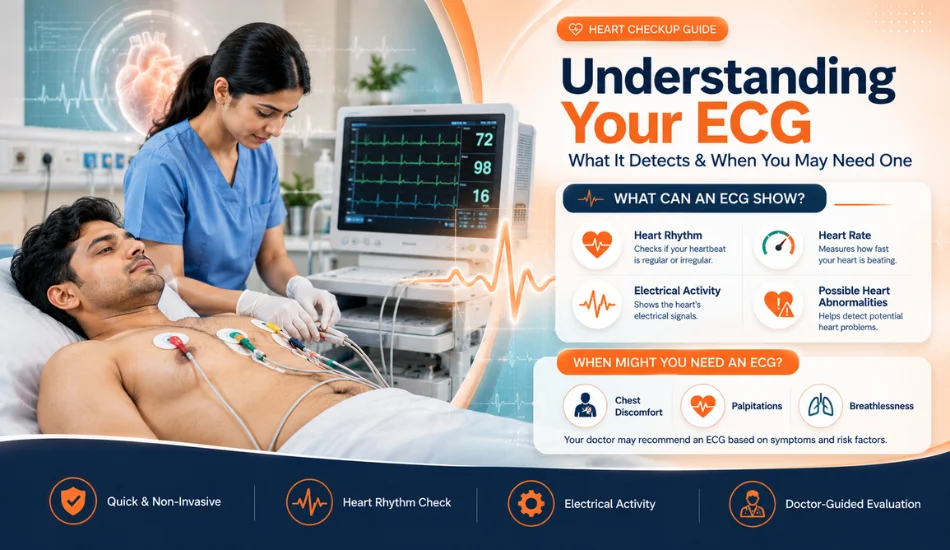
Depending on the situation, a cardiologist may consider blood-pressure monitoring, an ECG, echocardiography, blood tests, cholesterol assessment, kidney-function testing, or other cardiovascular investigations.
| Test | What It Can Help Evaluate |
|---|---|
| Blood pressure monitoring | Blood-pressure pattern and treatment response |
| ECG | Heart rate, rhythm, and electrical activity |
| Echocardiogram | Heart structure, valves, chamber function, and pumping performance |
| Blood tests | Factors such as cholesterol, glucose, kidney function, and other relevant markers |
| Holter monitoring | Intermittent abnormal heart rhythms over an extended period |
| Additional cardiac testing | Selected tests based on symptoms and suspected cardiovascular conditions |
What Happens During a Cardiology Consultation?
A cardiology consultation usually begins with a discussion about your symptoms, blood-pressure readings, medical history, medications, family history, lifestyle factors, and previous investigations.
The cardiologist may check your blood pressure and pulse, perform a physical examination, and review previous reports. Depending on the findings, additional tests may be advised.
Bringing a record of recent home blood-pressure readings, a list of current medicines, and previous cardiac or medical reports can help provide a clearer picture of your health.
Why Early Cardiac Evaluation Matters
High blood pressure can gradually affect the cardiovascular system without producing obvious symptoms. Regular monitoring and timely treatment can help identify uncontrolled hypertension and reduce the likelihood of long-term complications.
A cardiologist is particularly useful when hypertension is difficult to control, when symptoms suggest possible heart involvement, or when a person has known cardiovascular disease or multiple risk factors.
Resistant or Difficult-to-Control High Blood Pressure
Some people continue to have high blood pressure even after making lifestyle changes and taking prescribed medicines. When blood pressure remains above the desired range despite appropriate treatment with multiple medications, doctors may consider whether the hypertension is resistant or difficult to control.
This situation deserves careful medical evaluation because uncontrolled blood pressure can increase the long-term strain on the heart, arteries, kidneys, brain, and other organs. A cardiologist may review the treatment plan and look for factors that could be preventing adequate blood-pressure control.
Why Might Blood Pressure Remain High Despite Treatment?
There are several possible reasons why blood pressure may remain elevated. Sometimes the problem is related to inconsistent medication use, incorrect measurement technique, lifestyle factors, drug interactions, or an unsuitable treatment combination. In other cases, another medical condition may be contributing to hypertension.
| Possible Factor | How It May Affect Blood Pressure |
|---|---|
| Incorrect measurement | Improper cuff size, posture, or measurement technique can produce inaccurate readings. |
| Medication-related factors | Some medicines or supplements can raise blood pressure or interfere with treatment. |
| Missed doses | Inconsistent use of prescribed medication can make blood pressure difficult to control. |
| High-sodium diet | Excess sodium can contribute to fluid retention and elevated blood pressure in some people. |
| Excess alcohol | Regular heavy alcohol consumption can contribute to higher blood pressure. |
| Sleep problems | Conditions such as obstructive sleep apnea can be associated with difficult-to-control hypertension. |
| Secondary medical conditions | Kidney disease, hormonal disorders, and other conditions can sometimes contribute to hypertension. |
How Does a Cardiologist Evaluate High Blood Pressure?
A cardiologist does not look at the blood-pressure number alone. The evaluation generally considers the person's complete cardiovascular risk profile, symptoms, medical history, medications, lifestyle, family history, and previous test results.
The doctor may also determine whether high blood pressure has affected the heart or whether another cardiovascular condition could be contributing to the symptoms.
Depending on the situation, the assessment may include:
• Repeated blood-pressure measurements
• Review of home blood-pressure readings
• Medication and supplement review
• Physical examination
• ECG
• Echocardiogram when indicated
• Blood and urine tests
• Cholesterol and blood-sugar assessment
• Kidney-function assessment
• Heart-rhythm monitoring when symptoms suggest an arrhythmia
• Additional cardiovascular investigations when clinically appropriate
Can High Blood Pressure Damage the Heart?
Yes. Persistent uncontrolled hypertension can place increased workload on the heart. Over time, the heart muscle may become thicker and stiffer, particularly in the left ventricle.
Initially, these changes may not produce noticeable symptoms. However, continued pressure overload can eventually affect the heart's ability to relax and fill properly or pump efficiently.
Long-term hypertension can also contribute to coronary artery disease and increase the risk of heart failure and other cardiovascular complications.
What Is Left Ventricular Hypertrophy?
Left ventricular hypertrophy, or LVH, refers to thickening of the muscular wall of the heart's main pumping chamber. One of the common causes is long-standing high blood pressure because the left ventricle has to pump against greater resistance.
An ECG may sometimes provide clues suggesting LVH, while an echocardiogram can provide more detailed information about heart structure and function. The significance of any finding depends on the individual clinical situation.
High Blood Pressure and Coronary Artery Disease
Hypertension is an important risk factor for coronary artery disease. Persistently elevated pressure can contribute to changes in the artery walls and, together with factors such as high cholesterol, diabetes, smoking, and age, increase cardiovascular risk.
Coronary artery disease can sometimes cause chest discomfort during physical activity because the heart muscle may not receive enough oxygen-rich blood when demand increases.
A cardiologist can assess symptoms and risk factors and decide whether additional testing is necessary. The appropriate test varies from person to person.
High Blood Pressure and Heart Failure
Uncontrolled hypertension is one of the conditions that can contribute to heart failure over time. Increased pressure makes the heart work harder and may cause structural and functional changes.
Possible warning symptoms of heart failure include breathlessness, persistent fatigue, swelling of the feet or ankles, difficulty exercising, or breathlessness that becomes worse when lying down.
These symptoms can have several causes, so they should be medically evaluated rather than automatically attributed to high blood pressure.
High Blood Pressure and Atrial Fibrillation
Atrial fibrillation is an irregular heart rhythm that can become more common with increasing age and cardiovascular risk. High blood pressure is one of the important risk factors associated with atrial fibrillation.
People may notice a racing or irregular heartbeat, fluttering in the chest, fatigue, dizziness, or shortness of breath. Some people, however, have no obvious symptoms.
An ECG can identify atrial fibrillation when it is occurring during the recording. If episodes come and go, longer-term rhythm monitoring may be required.
High Blood Pressure and Stroke Risk
High blood pressure does not affect only the heart. It is also an important risk factor for stroke because persistently elevated pressure can damage blood vessels in the brain and contribute to vascular disease.
Managing blood pressure is therefore an important part of reducing overall cardiovascular and cerebrovascular risk. Other factors such as diabetes, cholesterol, smoking, physical inactivity, and obesity may also need attention.
When Should High Blood Pressure Be Considered Urgent?
Very high blood pressure requires appropriate medical assessment, particularly when the reading remains extremely elevated on repeat measurement or when concerning symptoms are present.
Emergency symptoms can include severe chest pain or pressure, significant difficulty breathing, fainting, sudden weakness or numbness, difficulty speaking, confusion, sudden vision changes, or a severe unusual headache.
These symptoms can indicate a serious medical problem. Do not attempt to manage them at home simply by waiting for the blood pressure to come down. Seek emergency medical care immediately.
Why Home Blood Pressure Monitoring Can Be Helpful
Blood pressure can change throughout the day, and some people have higher readings in a medical setting because of anxiety. Others may have normal readings at a clinic but elevated readings at home.
Home monitoring can provide useful information about blood-pressure patterns when performed correctly. A doctor may ask you to record readings at specific times over several days.
| Home Monitoring Tip | Why It Matters |
|---|---|
| Rest before measuring | Physical activity immediately before measurement can temporarily raise blood pressure. |
| Use the correct cuff size | An inappropriate cuff can affect measurement accuracy. |
| Sit with your back supported | Consistent positioning improves reliability. |
| Keep your arm supported | The arm should generally be positioned appropriately at heart level. |
| Take repeated readings | Multiple measurements can provide a better picture than one isolated reading. |
| Record the results | A written or digital log can help your doctor identify patterns. |
What Is Ambulatory Blood Pressure Monitoring?
Ambulatory blood-pressure monitoring uses a portable device to measure blood pressure at regular intervals over an extended period, often including daytime and nighttime readings.
This can help doctors understand how blood pressure behaves during normal daily activities and sleep. It may be particularly useful when clinic readings and home readings do not appear to match or when doctors need a more detailed assessment of blood-pressure patterns.
Lifestyle Changes That Support Heart Health
Medication is not the only part of hypertension management. Lifestyle measures can play an important role in controlling blood pressure and reducing cardiovascular risk.
Depending on your health condition, doctors may recommend maintaining a healthy weight, reducing excess dietary sodium, eating a balanced diet rich in vegetables and fruits, staying physically active, avoiding tobacco, limiting alcohol, getting adequate sleep, and managing stress.
Lifestyle changes should complement prescribed treatment rather than replacing medication without medical advice.
Diet and High Blood Pressure
A heart-healthy eating pattern generally emphasizes vegetables, fruits, whole grains, legumes, nuts, and other nutrient-rich foods while limiting excessive sodium, highly processed foods, and foods high in saturated fats.
People with other medical conditions may need individualized dietary advice. For example, dietary recommendations can differ for someone who also has kidney disease, diabetes, or heart failure.
Physical Activity and Blood Pressure
Regular physical activity can support cardiovascular health and help with blood-pressure management. Walking, cycling, swimming, and other suitable aerobic activities may be beneficial when they are appropriate for the person's health status.
If you already have heart disease, significant symptoms, or very high blood pressure, ask your doctor what level and type of exercise is appropriate before beginning an intensive exercise program.
Stress, Sleep, and Blood Pressure
Stress can temporarily raise blood pressure, while poor sleep may also negatively affect cardiovascular health. Persistent sleep problems, particularly loud snoring, witnessed pauses in breathing, or excessive daytime sleepiness, may warrant medical evaluation for sleep apnea.
Improving sleep habits, maintaining a regular sleep schedule, managing stress, and addressing underlying sleep disorders can support overall heart health.
Do You Need a Cardiologist If You Have No Symptoms?
Not necessarily. Many people with uncomplicated high blood pressure can be effectively managed by a primary care doctor or general physician. However, a cardiology consultation may still be useful when blood pressure is difficult to control, there is a history of cardiovascular disease, multiple risk factors are present, or investigations suggest possible heart involvement.
The absence of symptoms does not mean high blood pressure should be ignored. Regular monitoring and appropriate treatment remain important because hypertension can affect the heart and blood vessels silently.
Questions to Ask Your Cardiologist About High Blood Pressure
Preparing a few questions before your appointment can help you understand your condition and treatment plan. You may ask:
• What could be contributing to my high blood pressure?
• What blood-pressure target is appropriate for me?
• Do I need an ECG or echocardiogram?
• Could my medications or supplements be affecting my blood pressure?
• Should I monitor my blood pressure at home?
• Do I need longer-term heart-rhythm monitoring?
• What lifestyle changes would provide the greatest benefit?
• How often should my blood pressure and heart health be reviewed?
When Should You Not Delay a Cardiology Consultation?
A cardiology consultation should not be unnecessarily delayed when high blood pressure is accompanied by persistent chest discomfort, unexplained breathlessness, recurrent palpitations, fainting, swelling of the legs, reduced exercise tolerance, or other symptoms that may indicate cardiovascular involvement.
It is also reasonable to seek specialist evaluation when blood pressure remains uncontrolled despite treatment or when your doctor has identified possible heart-related complications.
However, if symptoms are severe or sudden, especially chest pain, severe breathlessness, fainting, sudden neurological symptoms, or other signs of a medical emergency, seek emergency care rather than waiting for a scheduled cardiology consultation.
What to Bring to a Cardiology Appointment
To make your consultation more useful, consider bringing recent blood-pressure records, a list of prescribed medicines and supplements, previous ECG or echocardiogram reports, recent blood-test results, and information about your symptoms.
If you monitor your blood pressure at home, recording the date, time, reading, and any symptoms can help the doctor identify patterns and make more informed treatment decisions.
Key Takeaway
High blood pressure deserves attention even when you feel completely well. Over time, uncontrolled hypertension can increase the workload on the heart and contribute to cardiovascular complications.
A cardiologist can be particularly valuable when blood pressure is difficult to control, when symptoms suggest possible heart involvement, when there is known cardiovascular disease, or when tests indicate changes affecting the heart.
High Blood Pressure and Heart Health: When Should You See a Cardiologist?
High blood pressure can affect the heart gradually, often without obvious symptoms. That is why regular monitoring and timely medical evaluation are important. While many people with uncomplicated hypertension can be managed by a general physician or primary care doctor, a cardiologist may be recommended when blood pressure is difficult to control or when there are signs of cardiovascular involvement.
Important Warning Signs You Should Not Ignore
High blood pressure itself may not produce noticeable symptoms, but certain symptoms can indicate that a cardiovascular problem needs medical attention.
Seek medical evaluation if you experience:
• Recurrent chest discomfort or pressure
• Breathlessness during routine activities
• Breathlessness that becomes worse when lying down
• Frequent palpitations or irregular heartbeat
• Unexplained dizziness
• Fainting or near-fainting episodes
• Unusual or persistent fatigue
• Swelling of the feet, ankles, or legs
• Reduced ability to perform normal physical activities
• Repeatedly high blood-pressure readings despite treatment
These symptoms can have many possible causes and do not automatically mean that hypertension has damaged the heart. However, they deserve appropriate medical assessment.
When High Blood Pressure Requires Emergency Care
Some situations require emergency medical attention rather than a routine appointment with a cardiologist. Very high blood pressure accompanied by symptoms suggesting damage to the heart, brain, or other organs can represent a medical emergency.
Seek immediate emergency care if very high blood pressure occurs together with severe or persistent chest pain or pressure, significant difficulty breathing, fainting, sudden weakness or numbness, difficulty speaking, confusion, sudden vision changes, or a severe unusual headache.
Do not wait for a routine consultation or attempt to lower dangerously high blood pressure on your own by taking extra doses of medication unless a healthcare professional has specifically instructed you to do so.
Can High Blood Pressure Be Controlled?
In many people, high blood pressure can be effectively controlled through a combination of lifestyle changes, regular monitoring, and medication when prescribed. The treatment approach depends on the person's blood-pressure readings, age, other medical conditions, cardiovascular risk, and response to treatment.
Good blood-pressure control is not simply about achieving one lower reading. The goal is usually to maintain blood pressure within an appropriate range consistently while also reducing overall cardiovascular risk.
Why You Should Not Stop Blood Pressure Medicines on Your Own
Blood-pressure medicines are prescribed to reduce cardiovascular risk and maintain blood pressure within a safer range. If readings improve after starting treatment, it does not necessarily mean the underlying tendency toward hypertension has disappeared.
Stopping medication suddenly or changing the dose without medical advice can cause blood pressure to rise again and, depending on the medicine, may create additional risks. If you experience side effects, discuss them with your doctor so that the treatment can be reviewed safely.
How Often Should Blood Pressure Be Checked?
The appropriate monitoring schedule depends on your age, blood-pressure level, treatment, cardiovascular risk, and other health conditions. People with established hypertension may need regular home or clinic measurements, while those with stable blood pressure may require less frequent monitoring.
If your doctor has asked you to monitor your blood pressure at home, follow the recommended schedule and keep a record of the readings. Repeated measurements over time are generally more informative than isolated readings.
How to Improve Blood Pressure and Heart Health
Protecting heart health involves more than treating a blood-pressure number. Several everyday habits can support healthy blood pressure and reduce cardiovascular risk.
| Healthy Habit | Potential Benefit |
|---|---|
| Regular physical activity | Supports cardiovascular fitness and can help with blood-pressure management. |
| Balanced diet | Provides nutrients important for heart health while helping limit excess sodium and unhealthy fats. |
| Healthy body weight | Can reduce cardiovascular strain and support better blood-pressure control. |
| Lower sodium intake | May help reduce blood pressure in people who are sensitive to dietary sodium. |
| Avoiding tobacco | Reduces damage to blood vessels and overall cardiovascular risk. |
| Limiting excessive alcohol | Can support healthier blood pressure and reduce cardiovascular risk. |
| Good sleep | Supports healthy cardiovascular and metabolic function. |
| Stress management | Can help reduce repeated temporary increases in blood pressure and support overall wellbeing. |
Can Diet Alone Treat High Blood Pressure?
Lifestyle changes can make an important contribution to blood-pressure control, but diet alone is not always sufficient. Some people require medication because of the degree of hypertension, cardiovascular risk, or other medical conditions.
A heart-healthy diet generally emphasizes vegetables, fruits, whole grains, legumes, nuts, and other minimally processed foods while limiting excessive sodium and highly processed foods.
If you have kidney disease, heart failure, diabetes, or another medical condition, dietary recommendations should be individualized rather than based on a general plan.
Does Exercise Lower Blood Pressure?
Regular physical activity can support blood-pressure management and cardiovascular health. For many adults, activities such as brisk walking, cycling, swimming, or other moderate aerobic exercise can be beneficial when medically appropriate.
People with known heart disease, significant symptoms, very high blood pressure, or other medical concerns should discuss an appropriate exercise plan with their healthcare professional before starting vigorous activity.
Can Stress Cause High Blood Pressure?
Stress can temporarily increase blood pressure because the body releases hormones that increase heart rate and tighten blood vessels. Persistent stress may also contribute indirectly to unhealthy habits such as poor sleep, inactivity, smoking, or an unhealthy diet.
Stress management techniques such as regular physical activity, adequate sleep, relaxation exercises, breathing techniques, and professional support when needed can contribute to overall health. However, stress management should not replace medical treatment for diagnosed hypertension.
What Is the Role of Cholesterol in Heart Health?
High blood pressure and high cholesterol can both increase cardiovascular risk. When several risk factors occur together, the overall risk of coronary artery disease may be higher than with either factor alone.
A cardiologist or physician may therefore assess cholesterol levels along with blood pressure, blood sugar, smoking history, weight, family history, age, and other factors when estimating cardiovascular risk.
High Blood Pressure in Younger Adults
High blood pressure can occur in younger adults as well as older adults. When hypertension develops at a relatively young age, particularly when readings are significantly elevated or difficult to control, doctors may consider whether there are contributing lifestyle factors, medications, family factors, or secondary medical causes.
Persistent high readings should not be ignored simply because a person is young or has no symptoms.
High Blood Pressure During Pregnancy
High blood pressure during pregnancy requires appropriate medical supervision because pregnancy-related hypertension can affect both the mother and the pregnancy. Management may involve an obstetrician and, depending on the situation, other specialists.
Pregnant women with high blood pressure should follow their healthcare team's advice rather than using general hypertension treatment recommendations without medical guidance.
High Blood Pressure in Older Adults
Blood-pressure management in older adults should consider overall health, other medical conditions, medications, fall risk, kidney function, and individual cardiovascular risk.
The appropriate treatment target is individualized. Older adults should not change medications or treatment goals without discussing them with their doctor.
Frequently Asked Questions About High Blood Pressure and Cardiologists
1. When should I see a cardiologist for high blood pressure?
A cardiologist may be appropriate when blood pressure remains uncontrolled despite treatment, when multiple medications are required, when you have known heart disease, or when symptoms such as chest discomfort, breathlessness, palpitations, dizziness, or fainting suggest possible cardiovascular involvement.
2. Do all people with high blood pressure need a cardiologist?
No. Many people with uncomplicated hypertension can be effectively managed by a primary care doctor or general physician. A cardiologist is more likely to be involved when hypertension is difficult to control, cardiovascular symptoms are present, or there is known or suspected heart disease.
3. Can high blood pressure damage the heart?
Yes. Long-term uncontrolled hypertension can increase the workload of the heart and contribute to changes such as thickening of the heart muscle. It can also increase the risk of coronary artery disease and heart failure.
4. Can high blood pressure cause chest pain?
High blood pressure itself does not always cause chest pain. However, hypertension is an important cardiovascular risk factor, and chest pain in a person with hypertension may have several possible causes. New, severe, persistent, or concerning chest pain should receive prompt medical evaluation.
5. What tests can a cardiologist do for high blood pressure?
Depending on the situation, a cardiologist may recommend blood-pressure monitoring, ECG, echocardiography, blood tests, cholesterol testing, kidney-function assessment, Holter monitoring, or other cardiovascular investigations. The tests are selected according to symptoms and individual risk.
6. Can an ECG show heart damage caused by high blood pressure?
An ECG can sometimes provide clues about changes associated with long-standing hypertension, such as patterns suggesting left ventricular hypertrophy. However, an ECG does not provide a complete assessment of heart structure. An echocardiogram may be recommended when more detailed evaluation is needed.
7. What should I do if my blood pressure remains high despite medicines?
Do not increase, decrease, or stop medication without medical advice. Keep a record of your readings and discuss them with your doctor. If blood pressure remains difficult to control, further evaluation may be needed to review medication, lifestyle factors, measurement technique, and possible underlying causes.
8. Can lifestyle changes reduce high blood pressure?
Yes. Regular physical activity, maintaining a healthy weight, reducing excess sodium, eating a balanced diet, avoiding tobacco, limiting excessive alcohol, getting adequate sleep, and managing stress can support blood-pressure control. Some people will still require medication.
9. Can a person have high blood pressure without symptoms?
Yes. Many people with hypertension have no noticeable symptoms. This is why regular blood-pressure measurement is important, particularly for people with cardiovascular risk factors or a previous diagnosis of hypertension.
10. When is high blood pressure an emergency?
Very high blood pressure accompanied by serious symptoms such as severe chest pain, significant breathing difficulty, fainting, sudden weakness or numbness, confusion, difficulty speaking, sudden vision changes, or a severe unusual headache requires immediate medical evaluation. Seek emergency care rather than waiting for a routine cardiology appointment.
Conclusion
High blood pressure is more than a number on a blood-pressure monitor. When it remains uncontrolled over time, it can place continuous strain on the heart and blood vessels and increase the risk of coronary artery disease, heart failure, abnormal heart rhythms, stroke, and other cardiovascular complications.
Not every person with hypertension needs to see a cardiologist. However, specialist evaluation can be particularly valuable when blood pressure remains high despite treatment, several medicines are required, cardiovascular symptoms develop, or there is known or suspected heart disease.
Regular blood-pressure monitoring, taking prescribed medicines as directed, maintaining a heart-healthy lifestyle, and attending appropriate medical follow-ups can all contribute to better cardiovascular health.
If you experience severe chest pain, significant difficulty breathing, fainting, sudden neurological symptoms, or other signs of a possible medical emergency, do not wait for a routine appointment. Seek emergency medical care immediately.