In the beginning
Piles, also known as hemorrhoids, are a common condition that affects millions of people worldwide. They occur when the veins in the lower rectum or anus become swollen and inflamed, leading to symptoms such as pain, itching, bleeding, and discomfort during bowel movements. One of the most common questions patients ask is:Which Doctor Should You Consult for Piles? Seeking medical advice from the right specialist is essential for accurate diagnosis, effective treatment, and prevention of complications. Understanding which doctor to consult for piles can help patients receive timely care and avoid worsening symptoms.
Establishing An Understanding Of Piles :
Piles can be internal or external depending on their location. While mild cases may improve with lifestyle changes and medications, advanced piles often require specialized medical treatment. Delaying consultation may lead to increased pain, persistent bleeding, infection, or complications that affect daily life. Early diagnosis by an experienced specialist can help identify the severity of the condition and determine the most suitable treatment plan.
Just Why Choosing The Right Doctor Important ?
Many patients initially ignore symptoms or self-medicate without proper diagnosis. However, rectal bleeding and anal discomfort may sometimes indicate other medical conditions that require evaluation. Consulting the right doctor ensures an accurate diagnosis and helps patients receive effective treatment ranging from medications to advanced laser procedures when necessary.
Table of Contents
Understanding Piles and Their Symptoms
Why Early Medical Consultation Matters
Which Doctor to Consult for Piles
Common Diagnostic Procedures
Treatment Options for Piles
When Laser Surgery May Be Required
Tips for Prevention and Lifestyle Management
Choosing the Best Piles Specialist
Patient Preparation :
Before visiting a piles specialist, patients should note their symptoms, including bleeding, pain, swelling, itching, constipation, or discomfort during bowel movements. Doctors may ask about dietary habits, bowel patterns, medical history, and previous treatments. Being prepared helps ensure an accurate diagnosis and personalized treatment plan.
The day of the magical operation :
During the consultation, the doctor performs a physical examination and may recommend diagnostic tests if required. Most piles cases can be diagnosed through a clinical examination. In some situations, procedures such as anoscopy, sigmoidoscopy, or colonoscopy may be advised to rule out other digestive conditions and confirm the diagnosis.
The Superhero Tools :
Modern hospitals use advanced diagnostic equipment, digital imaging, and minimally invasive treatment technologies to diagnose and manage piles effectively. Laser piles treatment has become a preferred option for many patients because it offers less pain, minimal bleeding, shorter hospital stay, and faster recovery compared to traditional surgery.
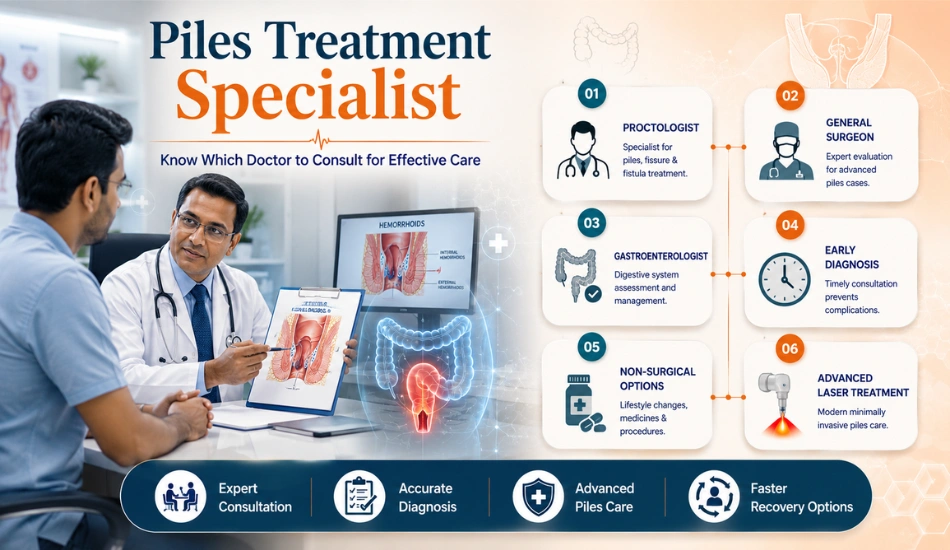
Which Doctor to Consult for Piles?
| Medical Specialist | Role in Piles Treatment |
|---|---|
| General Surgeon | Diagnoses and treats piles, especially when surgical intervention is required. |
| Proctologist | Specializes in diseases of the rectum, anus, and colon, including advanced piles treatment. |
| Colorectal Surgeon | Expert in treating complex anorectal conditions and advanced hemorrhoid cases. |
| Gastroenterologist | Evaluates digestive system disorders and investigates rectal bleeding or bowel-related symptoms. |
| Laser Surgery Specialist | Performs minimally invasive laser procedures for piles, fissures, and fistulas. |
Common Symptoms That Require Medical Attention
| Symptoms | Why Consultation is Important |
|---|---|
| Rectal Bleeding | May indicate piles or other digestive disorders that require evaluation. |
| Pain During Bowel Movements | Could indicate inflamed hemorrhoids or associated anorectal conditions. |
| Anal Swelling | Requires examination to determine severity and treatment options. |
| Persistent Itching | May result from irritation caused by internal or external piles. |
| Prolapsed Hemorrhoids | Advanced piles may protrude outside the anus and require specialist treatment. |
| Chronic Constipation | Can worsen piles and should be managed under medical supervision. |
Recovery Time :
Recovery depends on the treatment method. Mild piles treated with medications and lifestyle changes may improve within a few weeks. Patients undergoing laser piles surgery often experience quicker recovery, less discomfort, and faster return to normal activities compared to traditional surgical procedures.
Taking Care of Yourself :
Maintaining a high-fiber diet, drinking adequate water, exercising regularly, and avoiding prolonged straining during bowel movements can help prevent piles. Patients should seek medical advice if symptoms persist or worsen despite home remedies. Early treatment can prevent complications and improve quality of life.
A Guide to Feeling Better :
If you are wondering which doctor to consult for piles, the best choice is usually a proctologist, colorectal surgeon, or experienced general surgeon specializing in anorectal conditions. Early consultation allows accurate diagnosis and access to modern treatment options, including advanced laser piles surgery. Seeking timely medical care can relieve symptoms, prevent complications, and help patients return to a comfortable and healthy lifestyle.
FAQs
1. Which doctor should I consult for piles?
You should consult a proctologist, colorectal surgeon, or experienced general surgeon for proper diagnosis and treatment of piles.
2. Can a gastroenterologist treat piles?
Yes, a gastroenterologist can diagnose piles and evaluate digestive symptoms, but surgical treatment is usually performed by a surgeon or proctologist.
3. When should I see a doctor for piles?
You should seek medical attention if you experience bleeding, severe pain, swelling, prolapsed hemorrhoids, or persistent symptoms.
4. Is laser treatment available for piles?
Yes, laser piles treatment is a modern minimally invasive procedure that offers less pain, minimal bleeding, and faster recovery.
5. Can piles go away without surgery?
Mild piles may improve with medications, dietary changes, and lifestyle modifications, but advanced cases may require specialized treatment or surgery.