In the beginning
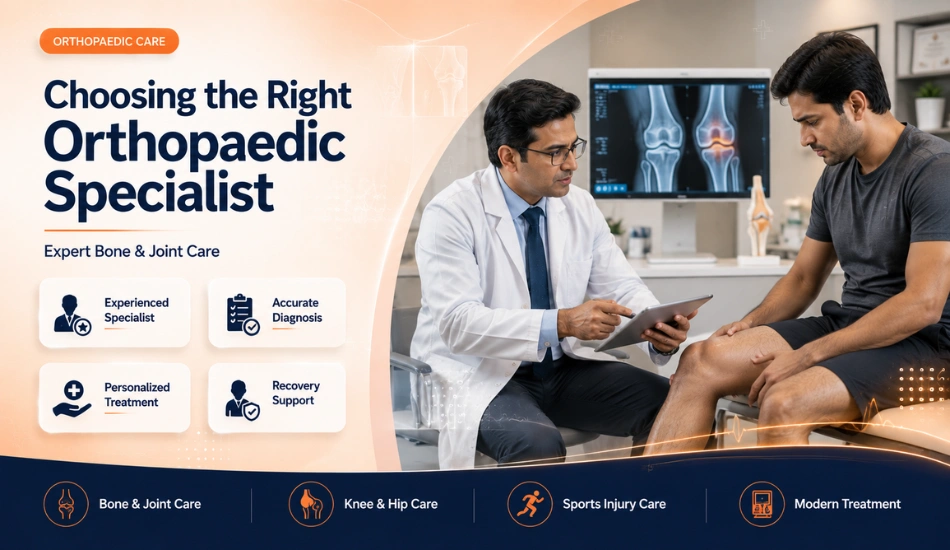
Bone, joint, muscle, ligament, and tendon problems can affect mobility, independence, and everyday comfort. From persistent knee pain and arthritis to sports injuries, fractures, shoulder problems, and spine conditions, orthopaedic problems can occur at almost any age. Choosing the right specialist is therefore an important decision, particularly when pain continues, movement becomes difficult, or an injury affects normal activities.
When looking for the Best Orthopaedic Doctor in Delhi, patients should look beyond online rankings or consultation fees. A suitable specialist should have appropriate qualifications, relevant clinical experience, expertise related to the patient's specific condition, access to appropriate diagnostic facilities, and a clear approach to both non-surgical and surgical treatment. Orthopaedic specialists commonly evaluate conditions involving bones, joints, muscles, tendons, ligaments, and other parts of the musculoskeletal system.
The right treatment is not always surgery. Depending on the diagnosis, an orthopaedic doctor may recommend medicines, activity modification, physiotherapy, rehabilitation, injections, or other conservative approaches before considering an operation. For injuries or conditions that require surgery, the specialist should explain the available procedures, expected benefits, possible risks, recovery requirements, and alternatives clearly.
What Is Orthopaedics?
Orthopaedics is a medical specialty concerned with the prevention, diagnosis, treatment, and rehabilitation of conditions affecting the musculoskeletal system. This includes bones, joints, muscles, ligaments, tendons, and related structures. Orthopaedic specialists treat a broad range of problems, including arthritis, fractures, sports injuries, ligament tears, joint degeneration, back and neck conditions, and mobility-related disorders.
Modern orthopaedic care may include both non-surgical and surgical treatment. Depending on the patient's age, symptoms, diagnosis, activity level, medical history, and severity of the condition, treatment can range from physical rehabilitation and medication to arthroscopy, fracture repair, ligament reconstruction, joint replacement, or spine procedures.
Why Choosing the Right Orthopaedic Specialist Matters
Musculoskeletal conditions can have very different causes even when their symptoms appear similar. For example, knee pain may be associated with arthritis, ligament injury, meniscus problems, overuse, or another underlying condition. Similarly, shoulder pain can result from tendon problems, joint degeneration, injury, or other disorders. A careful clinical examination helps determine whether imaging or additional investigations are actually necessary.
Choosing a specialist with experience relevant to your particular condition can help ensure that treatment decisions are based on an accurate diagnosis rather than symptoms alone. Patients should also consider whether the doctor explains treatment choices clearly and provides an appropriate recovery and follow-up plan.
Table of Contents
1. What Is Orthopaedics?
2. Why Choosing the Right Orthopaedic Specialist Matters
3. Conditions Treated by Orthopaedic Doctors
4. Symptoms That May Require Orthopaedic Evaluation
5. When Should You See an Orthopaedic Doctor?
6. Common Orthopaedic Diagnostic Tests
7. How to Choose the Right Orthopaedic Specialist
8. Non-Surgical Orthopaedic Treatment
9. Common Orthopaedic Surgeries
10. Recovery and Rehabilitation
11. Tips for Better Bone and Joint Health
12. FAQs
13. Conclusion
Conditions Treated by Orthopaedic Doctors
Orthopaedic specialists manage a wide variety of bone and joint conditions. Some problems can be treated without surgery, while others may require an operation depending on severity, functional limitations, injury pattern, and response to conservative treatment.
| Condition | Common Symptoms or Problems |
|---|---|
| Osteoarthritis | Joint pain, stiffness, reduced movement, and difficulty with daily activities. |
| Fractures | Pain, swelling, bruising, deformity, or inability to use the affected area. |
| ACL and Ligament Injuries | Knee instability, swelling, pain, and difficulty during sports or movement. |
| Back and Neck Problems | Pain, stiffness, restricted movement, or pain extending into the arms or legs. |
| Shoulder Disorders | Pain, weakness, stiffness, or difficulty lifting the arm. |
| Sports Injuries | Sprains, ligament tears, muscle injuries, and joint-related trauma. |
| Meniscus Injuries | Knee pain, swelling, clicking, locking, or restricted movement. |
| Hip Problems | Hip pain, stiffness, difficulty walking, or reduced mobility. |
| Spine Conditions | Back pain, nerve symptoms, weakness, or difficulty with movement. |
| Joint Degeneration | Progressive pain and loss of joint function. |
Symptoms That May Require Orthopaedic Evaluation
Not every episode of muscle or joint discomfort requires specialist care. However, symptoms that persist, worsen, recur, or interfere with mobility should be evaluated by a qualified healthcare professional.
- Persistent knee, hip, shoulder, or joint pain.
- Swelling around a joint.
- Repeated joint stiffness.
- Reduced range of motion.
- Difficulty walking or climbing stairs.
- Difficulty bearing weight after an injury.
- Recurring sports injuries.
- Joint instability or a feeling that the joint is giving way.
- Back pain associated with numbness or weakness.
- Persistent pain following an accident or fall.
- Visible deformity after an injury.
- Difficulty performing routine activities because of musculoskeletal pain.
When Should You See an Orthopaedic Doctor?
You should consider an orthopaedic evaluation when pain or stiffness continues despite reasonable self-care, when an injury affects your ability to walk or use a limb, or when symptoms interfere with work, exercise, sleep, or daily activities. Persistent joint pain, swelling, restricted movement, fractures, sports injuries, and spine-related symptoms are among the common reasons patients seek orthopaedic care.
After an accident or sports injury, urgent assessment may be particularly important when there is severe pain, significant swelling, obvious deformity, inability to bear weight, loss of sensation, or marked weakness. In such situations, timely evaluation can help determine whether imaging or emergency treatment is required.
Common Orthopaedic Diagnostic Tests
An accurate diagnosis is the foundation of effective orthopaedic treatment. During the consultation, the doctor generally reviews your symptoms, medical history, previous injuries, activity level, and treatment history before performing a physical examination. Depending on the suspected condition, imaging or other investigations may be recommended.
| Diagnostic Test | What It Helps Evaluate |
|---|---|
| X-Ray | Fractures, joint alignment, arthritis, bone changes, and other structural abnormalities. |
| MRI | Soft tissues such as ligaments, tendons, cartilage, muscles, and some spinal conditions. |
| CT Scan | Detailed assessment of complex fractures and certain bone or joint abnormalities. |
| Ultrasound | Selected soft-tissue, tendon, and fluid-related conditions. |
| Blood Tests | May help investigate inflammatory, infectious, or metabolic causes when clinically indicated. |
| Bone Density Testing | Assesses bone mineral density and helps evaluate osteoporosis risk. |
How to Choose the Right Orthopaedic Specialist
Finding the right orthopaedic doctor should be based on your specific health needs rather than a single factor such as online ratings or location. Orthopaedics includes several areas of expertise, so a specialist who regularly treats your particular condition may be more suitable than a doctor whose practice focuses on a different area.
| Factor to Consider | Why It Matters |
|---|---|
| Qualifications | Check appropriate medical qualifications and specialist orthopaedic training. |
| Relevant Experience | Experience with your particular injury or condition can support informed treatment decisions. |
| Area of Special Interest | Sports injuries, joint replacement, spine care, trauma, and other areas may require different expertise. |
| Diagnostic Facilities | Access to appropriate imaging and investigations can support accurate diagnosis. |
| Treatment Options | A good treatment plan should consider suitable non-surgical and surgical options. |
| Hospital Infrastructure | Important when procedures, surgery, rehabilitation, or emergency care may be required. |
| Communication | The doctor should explain the diagnosis, treatment choices, risks, and expected recovery clearly. |
| Follow-Up Care | Ongoing monitoring and rehabilitation can be important for long-term recovery. |
Questions to Ask Your Orthopaedic Doctor
Preparing questions before your appointment can help you understand your condition and make informed decisions about treatment.
- What is the likely cause of my pain or injury?
- Do I need an X-ray, MRI, CT scan, or another investigation?
- Can my condition improve without surgery?
- What treatment options are suitable for me?
- What are the expected benefits and possible risks of treatment?
- How long could recovery take?
- Will I need physiotherapy or rehabilitation?
- When can I return to work, exercise, or sports?
- What symptoms should prompt me to seek urgent medical attention?
- How often will I need follow-up appointments?
Non-Surgical Orthopaedic Treatment Options
Surgery is not automatically required for every orthopaedic condition. Depending on the diagnosis and severity, doctors may initially recommend conservative treatment. The treatment plan should be individualized according to the patient's symptoms, physical findings, age, activity level, overall health, and response to previous treatment.
| Treatment | Possible Role in Care |
|---|---|
| Activity Modification | Temporarily reduces activities that aggravate pain or injury. |
| Physiotherapy | Improves strength, flexibility, movement, and functional recovery. |
| Medication | May help manage pain and inflammation when prescribed appropriately. |
| Bracing or Support | May provide stability or protection for selected injuries. |
| Exercise Therapy | Builds muscle strength and supports joint function. |
| Weight Management | Can reduce mechanical stress on weight-bearing joints. |
| Injections | May be considered for selected joint or inflammatory conditions. |
When Is Orthopaedic Surgery Considered?
Orthopaedic surgery may be considered when a condition causes significant functional problems, when there is a structural injury requiring repair, when conservative treatment has not provided adequate improvement, or when surgery is otherwise clinically appropriate. The decision should be based on a proper evaluation rather than pain severity alone.
Before surgery, your specialist should explain the diagnosis, purpose of the procedure, available alternatives, potential complications, expected recovery, rehabilitation requirements, and realistic outcomes. Patients should also understand that every surgical procedure carries some degree of risk and that individual results can vary.
Common Orthopaedic Surgeries
| Procedure | Common Indications |
|---|---|
| Knee Replacement | Severe joint damage and advanced arthritis causing significant pain and functional limitation. |
| ACL Reconstruction | Selected ACL injuries, particularly when instability affects activity or sports. |
| Arthroscopy | Selected joint problems where minimally invasive examination or treatment is appropriate. |
| Fracture Fixation | Fractures requiring stabilization or surgical alignment. |
| Spine Surgery | Selected spinal conditions when surgery is clinically indicated. |
| Shoulder Surgery | Certain tendon, ligament, joint, or structural shoulder problems. |
| Hip Replacement | Severe hip joint damage causing persistent pain and reduced mobility. |
Understanding Knee Replacement Surgery
Knee replacement is a major orthopaedic procedure generally considered for patients with significant knee joint damage and persistent symptoms that substantially affect daily activities. During the procedure, damaged joint surfaces are removed and replaced with artificial components designed to restore joint function.
Before recommending knee replacement, an orthopaedic specialist evaluates symptoms, physical function, imaging findings, medical history, and previous treatments. Conservative options may be considered where appropriate. Surgery is usually considered when pain and functional limitations remain significant despite suitable non-surgical management.
Understanding ACL Tear Treatment
An ACL injury is common in sports and activities involving sudden changes in direction, jumping, or rapid deceleration. Treatment depends on factors such as the severity of the injury, knee stability, associated injuries, activity requirements, and the patient's goals.
Some ACL injuries can be managed with structured rehabilitation and activity modification, while selected patients may benefit from ACL reconstruction. A specialist evaluation is important before deciding on the most appropriate approach.
Orthopaedic Rehabilitation and Recovery
Recovery does not necessarily end when a procedure is completed. Rehabilitation can be an essential part of restoring strength, flexibility, balance, joint movement, and confidence. The duration of recovery depends on the diagnosis, treatment performed, patient's overall health, and adherence to the rehabilitation program.
| Recovery Stage | Typical Focus |
|---|---|
| Early Recovery | Pain control, swelling management, wound care, and safe movement. |
| Mobility Phase | Gradually improving walking, range of motion, and functional movement. |
| Strengthening Phase | Building muscle strength and joint stability. |
| Functional Rehabilitation | Returning to daily activities, work, exercise, or sports as advised. |
| Long-Term Maintenance | Continued exercises and healthy habits to maintain mobility. |
Tips for Maintaining Healthy Bones and Joints
- Maintain a healthy body weight.
- Stay physically active according to your fitness level.
- Include adequate protein and calcium-rich foods in your diet.
- Ensure appropriate vitamin D intake based on medical advice.
- Use proper technique during exercise and sports.
- Wear appropriate protective equipment during high-risk activities.
- Avoid prolonged inactivity.
- Maintain good posture during work and daily activities.
- Do not ignore persistent joint pain or swelling.
- Follow rehabilitation instructions after an injury or surgery.
Warning Signs After an Orthopaedic Procedure
Patients recovering from an injury or surgery should follow their doctor's instructions and report concerning symptoms promptly. Depending on the procedure, warning signs can include increasing pain, excessive swelling, fever, wound discharge, new numbness or weakness, difficulty breathing, or sudden calf pain or swelling.
Urgent symptoms such as sudden chest pain, severe breathing difficulty, loss of consciousness, or sudden neurological changes require emergency medical attention.
How to Prepare for Your Orthopaedic Consultation
A well-prepared consultation can help your orthopaedic specialist understand your condition more accurately. Before visiting the doctor, make a note of when your symptoms started, what activities make them worse or better, whether you have experienced previous injuries, and what treatments or medicines you have already tried.
- Carry previous X-rays, MRI scans, CT reports, or laboratory reports.
- Make a list of current medicines and supplements.
- Note the location and severity of your pain.
- Record any previous surgeries or major injuries.
- Tell the doctor about existing medical conditions.
- Explain your work, exercise, and sports activities.
- Prepare questions about treatment, recovery, and rehabilitation.
- Inform the specialist about allergies or previous medication reactions.
What Makes a Good Orthopaedic Specialist?
A good orthopaedic specialist should combine appropriate medical qualifications with relevant clinical experience, careful diagnosis, evidence-based treatment, and effective communication. Patients should feel comfortable asking questions and discussing concerns about treatment options.
| Quality | What Patients Should Look For |
|---|---|
| Medical Expertise | Appropriate qualifications and specialist orthopaedic training. |
| Relevant Experience | Experience managing conditions similar to the patient's problem. |
| Accurate Diagnosis | Careful history-taking, examination, and appropriate investigations. |
| Patient-Centred Care | Treatment decisions that consider individual needs and goals. |
| Clear Communication | Simple explanations of diagnosis, treatment, risks, and recovery. |
| Comprehensive Treatment | Access to conservative care, surgery, rehabilitation, and follow-up when appropriate. |
| Modern Infrastructure | Access to suitable diagnostic and surgical facilities when required. |
Why Experience in Your Specific Condition Matters
Orthopaedics covers a broad range of conditions, and different problems may require different areas of expertise. A patient with an ACL tear may need sports injury and ligament expertise, while a person with advanced knee arthritis may require assessment for joint preservation or replacement. Similarly, complex fractures, spine disorders, shoulder injuries, and pediatric orthopaedic problems can require specialized evaluation.
When selecting a specialist, ask whether the doctor regularly manages your particular condition and whether the hospital has the diagnostic, surgical, rehabilitation, and emergency resources that may be needed during treatment.
Orthopaedic Care for Different Age Groups
| Age Group | Common Orthopaedic Concerns |
|---|---|
| Children | Growth-related problems, fractures, posture concerns, and sports injuries. |
| Young Adults | Sports injuries, ligament tears, fractures, and activity-related conditions. |
| Middle-Aged Adults | Back pain, joint problems, repetitive-use injuries, and early arthritis. |
| Older Adults | Osteoarthritis, osteoporosis-related fractures, joint degeneration, and mobility problems. |
Orthopaedic Care for Sports Injuries
Sports injuries can involve muscles, ligaments, tendons, cartilage, and bones. Common injuries include ankle sprains, ACL tears, meniscus injuries, shoulder dislocations, tendon injuries, and fractures. Treatment depends on the type and severity of the injury and may involve rest, rehabilitation, bracing, medication, or surgery.
Returning to sports too quickly can increase the risk of reinjury. A structured rehabilitation plan can help restore strength, flexibility, balance, and sport-specific function before a full return to activity.
When Is a Second Orthopaedic Opinion Helpful?
A second opinion can be useful when major surgery has been recommended, when the diagnosis is unclear, when symptoms continue despite treatment, or when you want to understand alternative treatment options. It can provide another professional perspective and help you make a more informed decision.
A second opinion does not necessarily mean that the first doctor's recommendation is incorrect. It can simply help patients better understand their condition, available options, expected outcomes, and potential risks before making an important treatment decision.
Orthopaedic Specialist Selection Checklist
Before selecting an orthopaedic doctor, patients can consider the following points:
- Does the specialist have appropriate orthopaedic qualifications?
- Does the doctor have experience treating your specific condition?
- Are appropriate diagnostic facilities available?
- Does the specialist explain treatment options clearly?
- Are non-surgical options considered when clinically appropriate?
- Does the hospital have suitable surgical infrastructure if required?
- Is rehabilitation or physiotherapy available when needed?
- Does the treatment plan include appropriate follow-up?
- Are risks, benefits, and expected recovery explained?
- Do you feel comfortable discussing your concerns with the doctor?
FAQs
1. When should I see an orthopaedic doctor?
You should consider an orthopaedic consultation when joint or bone pain persists, movement becomes restricted, an injury affects normal activities, swelling continues, or symptoms interfere with walking, work, exercise, or sleep.
2. How do I choose the right orthopaedic specialist?
Consider the doctor's qualifications, experience with your specific condition, treatment approach, diagnostic facilities, hospital infrastructure, communication style, rehabilitation support, and follow-up care.
3. Does every orthopaedic problem require surgery?
No. Many orthopaedic conditions can initially be managed with physiotherapy, activity modification, medication, exercise, bracing, rehabilitation, or other non-surgical approaches. Surgery is considered when clinically appropriate.
4. What tests might an orthopaedic doctor recommend?
Depending on the symptoms, an orthopaedic specialist may recommend an X-ray, MRI, CT scan, ultrasound, blood tests, or other investigations. The appropriate test depends on the suspected diagnosis.
5. How important is physiotherapy after orthopaedic treatment?
Physiotherapy can be an important part of recovery for many injuries and procedures. A personalized rehabilitation program can help improve movement, strength, balance, flexibility, and functional ability.
Conclusion
Choosing the right orthopaedic specialist is an important decision when persistent pain, injury, joint degeneration, or mobility problems begin affecting your daily life. The most suitable doctor is not necessarily the one with the most prominent online presence; patients should consider appropriate qualifications, relevant clinical experience, expertise in their particular condition, diagnostic facilities, treatment options, communication, and follow-up support.
Orthopaedic treatment should always begin with an accurate assessment. Depending on the condition, treatment may include lifestyle changes, physiotherapy, medication, rehabilitation, supportive devices, injections, or surgery. When surgery is recommended, understanding the procedure, possible alternatives, risks, expected recovery, and rehabilitation requirements can help patients make informed decisions.
For patients in Delhi, choosing a hospital with appropriate orthopaedic expertise, modern diagnostic facilities, surgical infrastructure, emergency support, and coordinated rehabilitation can make the overall treatment journey more convenient. Most importantly, persistent pain, swelling, instability, restricted movement, or symptoms following an injury should not be ignored.
If you are experiencing ongoing bone or joint problems, an appropriate orthopaedic evaluation can help identify the cause and determine the most suitable treatment approach. Early assessment and personalized care can support better mobility, safer recovery, and improved quality of life.