In the Beginning
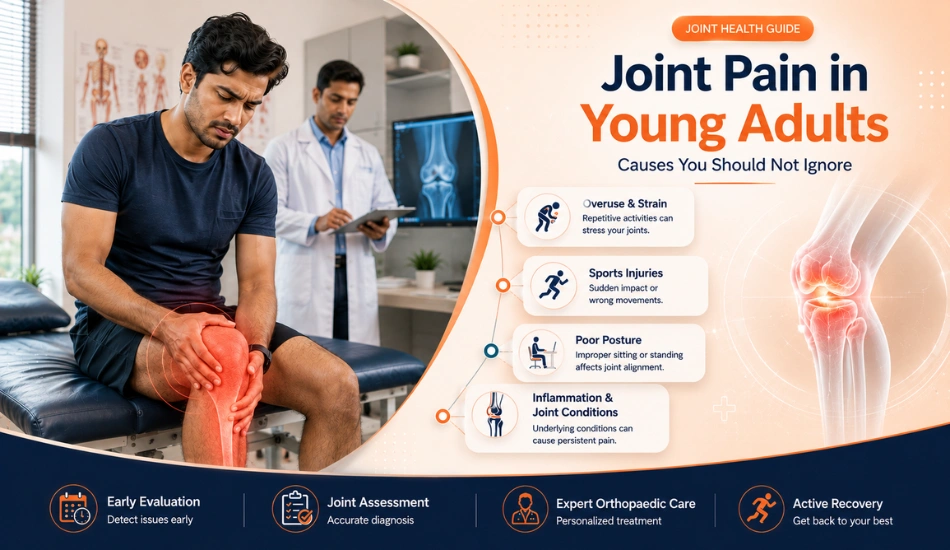
Joint pain is often associated with ageing, but it can also affect teenagers and young adults. Occasional discomfort after intense exercise may improve with rest, but persistent or recurring pain should not always be dismissed as normal tiredness. Joint pain in young adults can have several possible causes, ranging from sports injuries and overuse to inflammation, autoimmune conditions, infections, or problems affecting the muscles, tendons, and ligaments around a joint.
The location of pain, duration, severity, associated swelling, stiffness, injury history, activity level, and other symptoms can help a doctor determine the likely cause. Getting an appropriate medical evaluation is especially important when pain continues, interferes with daily activities, or is accompanied by swelling, fever, weakness, redness, or restricted movement.
Understanding Joint Pain in Young Adults
A joint is where two or more bones meet and allows the body to move. Joints are supported by cartilage, ligaments, tendons, muscles, and other tissues. Pain can originate from any of these structures, which is why the same symptom may have very different causes in different people.
Young adults who participate in running, gym workouts, football, cricket, basketball, cycling, or other physically demanding activities may experience joint pain after repetitive stress or injury. However, pain can also occur in people who are not highly active. Prolonged sitting, poor posture, excess body weight, inadequate recovery, previous injuries, and certain medical conditions may contribute to musculoskeletal discomfort.
Table of Contents
1. Understanding Joint Pain in Young Adults
2. Common Causes of Joint Pain
3. Sports Injuries and Overuse
4. Arthritis and Inflammatory Conditions
5. When Joint Pain May Need Medical Attention
6. Common Symptoms Associated With Joint Problems
7. How Doctors Diagnose Joint Pain
8. Tests That May Be Recommended
9. Treatment Options for Joint Pain
10. Lifestyle and Prevention Tips
11. When to See an Orthopaedic Specialist
12. FAQs
13. Conclusion
Common Causes of Joint Pain in Young Adults
There is no single cause of joint pain. A healthcare professional considers the affected joint, pattern of symptoms, medical history, physical examination, and other findings before identifying the likely reason.
| Possible Cause | How It May Affect the Joint |
|---|---|
| Sports Injury | Sudden twisting, impact, falling, or incorrect movement can injure ligaments, cartilage, muscles, or tendons. |
| Overuse | Repeated activity without sufficient recovery may cause irritation and pain around a joint. |
| Muscle or Tendon Problems | Strain or inflammation around a joint can produce pain during movement. |
| Ligament Injury | Stretching or tearing of a ligament may cause pain, swelling, and instability. |
| Arthritis | Certain inflammatory or degenerative joint conditions can cause pain, stiffness, and swelling. |
| Autoimmune Conditions | Some immune-related disorders can cause inflammation in one or multiple joints. |
| Previous Injury | An old injury can sometimes contribute to recurring pain or joint instability. |
| Infection | In rare cases, infection can cause significant joint pain, swelling, warmth, and fever. |
| Biomechanical Problems | Abnormal movement patterns or alignment may place additional stress on certain joints. |
| Excess Body Weight | Additional mechanical load can increase stress on weight-bearing joints such as the knees and hips. |
Sports Injuries and Overuse
Sports and exercise are important for maintaining physical fitness, but repetitive training, sudden increases in activity, inadequate warm-up, poor technique, or insufficient recovery can increase the risk of musculoskeletal injuries.
Knee, ankle, shoulder, elbow, wrist, and hip discomfort may occur after strenuous activity. Some injuries happen suddenly, while overuse-related problems can develop gradually. Continuing intense exercise despite significant pain may worsen an injury or delay recovery.
Young adults should gradually increase exercise intensity, use appropriate techniques, allow adequate recovery between demanding sessions, and seek medical advice when pain persists or repeatedly returns.
Common Sports-Related Joint Problems
- Ligament sprains and tears.
- Meniscus injuries.
- Tendon irritation.
- Muscle strains.
- Joint dislocation.
- Cartilage injuries.
- Stress-related injuries.
- Repetitive-use conditions.
- Post-traumatic joint pain.
Arthritis Can Affect Younger People Too
Arthritis is not exclusively an older person's condition. Several forms of inflammatory arthritis can develop in younger adults. Symptoms may include joint pain, swelling, stiffness, warmth, and reduced movement. Some inflammatory conditions may affect multiple joints and can also be associated with fatigue or other systemic symptoms.
Morning stiffness that lasts for a prolonged period, repeated swelling, pain affecting several joints, or symptoms that persist without an obvious injury should be evaluated by a medical professional. Early assessment can help identify whether further investigations or specialist care are appropriate.
Why Persistent Joint Pain Should Not Be Ignored
Occasional mild soreness after exercise may improve with rest, but persistent joint pain deserves attention. Ignoring recurring symptoms can sometimes allow an underlying injury or inflammatory condition to continue without appropriate treatment.
Medical evaluation becomes particularly important when pain is progressively worsening, repeatedly returning, affecting sleep, limiting exercise, interfering with work, or making normal movements difficult.
Symptoms That May Accompany Joint Pain
| Symptom | What It May Indicate |
|---|---|
| Swelling | Inflammation, injury, or fluid accumulation around the joint. |
| Stiffness | Joint inflammation, injury, or reduced mobility. |
| Redness and Warmth | Inflammation or, in some situations, infection. |
| Clicking or Popping | May occur with certain joint, tendon, or cartilage problems. |
| Instability | May occur after ligament injury or other structural problems. |
| Restricted Movement | Can result from pain, swelling, stiffness, or structural abnormalities. |
| Weakness | May accompany injury, pain-related muscle inhibition, or nerve-related problems. |
| Fever | When combined with a hot, swollen joint, it may require urgent medical assessment. |
When Should You See a Doctor?
Consider consulting a doctor if joint pain does not improve with appropriate rest, continues to recur, or interferes with your normal activities. You should also seek professional evaluation after a significant injury or when pain is accompanied by swelling, instability, restricted movement, or other concerning symptoms.
Urgent medical assessment may be necessary when a joint suddenly becomes severely painful, swollen, red, or hot, particularly if fever is also present. Similarly, significant trauma associated with deformity, inability to bear weight, severe swelling, or loss of sensation should be assessed promptly.
How Doctors Diagnose Joint Pain
Diagnosis begins with a detailed medical history and physical examination. Your doctor may ask when the pain began, whether it followed an injury, what activities make it worse, whether the pain occurs at rest, and whether symptoms such as swelling, stiffness, fever, or weakness are present.
The doctor may examine joint movement, tenderness, swelling, muscle strength, stability, and the surrounding structures. Tests are not always required for every patient. If additional evaluation is needed, investigations are selected according to the suspected cause.
Diagnostic Tests That May Be Recommended
| Test | Purpose |
|---|---|
| X-Ray | Helps assess bones, alignment, fractures, and certain joint changes. |
| MRI | Provides detailed images of soft tissues such as ligaments, tendons, cartilage, and muscles. |
| Ultrasound | Can evaluate selected soft-tissue structures and fluid around joints. |
| Blood Tests | May be used when inflammation, infection, or another systemic condition is suspected. |
| CT Scan | Provides detailed assessment of bone and selected complex injuries. |
Treatment Options for Joint Pain
Treatment depends on the cause rather than the symptom alone. A doctor may recommend conservative care for many mild or moderate conditions, while significant structural injuries or specific medical conditions may require additional treatment.
| Treatment Approach | Potential Role |
|---|---|
| Rest and Activity Modification | May reduce stress on an irritated or injured joint. |
| Physiotherapy | Can improve strength, flexibility, balance, and movement. |
| Exercise Therapy | Helps restore function and support joint stability when appropriately prescribed. |
| Medication | May be prescribed to manage pain or inflammation when medically appropriate. |
| Bracing or Support | May provide protection or stability for selected injuries. |
| Weight Management | Can reduce mechanical stress on weight-bearing joints. |
| Injections | May be considered for selected joint conditions after medical assessment. |
| Surgery | May be required for certain severe injuries or structural problems when clinically indicated. |
Is Surgery Always Required?
No. Many causes of joint pain can be managed without surgery. The appropriate treatment depends on the diagnosis, severity, duration of symptoms, functional limitations, previous treatment, and overall health.
Surgery may be considered for specific structural injuries, severe instability, certain fractures, significant cartilage or ligament damage, or conditions that do not respond adequately to appropriate non-surgical management. A qualified specialist should explain whether surgery is necessary and discuss reasonable alternatives when available.
Role of Physiotherapy in Joint Pain
Physiotherapy can be an important part of treatment for many musculoskeletal conditions. A trained physiotherapist may design exercises based on the affected joint, muscle strength, flexibility, movement pattern, and stage of recovery.
- Improving joint mobility.
- Strengthening muscles around the affected joint.
- Improving balance and coordination.
- Correcting selected movement patterns.
- Supporting recovery after injury or surgery.
- Helping patients return gradually to normal activities.
- Reducing the risk of future injury through appropriate conditioning.
How to Prevent Joint Problems in Young Adults
Not every joint problem can be prevented, especially when it is related to an unavoidable injury or medical condition. However, healthy habits can reduce avoidable stress and support musculoskeletal health.
- Warm up before demanding exercise.
- Increase training intensity gradually.
- Use correct exercise techniques.
- Wear suitable footwear for your activity.
- Allow adequate recovery between intense workouts.
- Strengthen the muscles supporting vulnerable joints.
- Maintain a healthy body weight.
- Stay physically active instead of remaining sedentary for long periods.
- Do not repeatedly exercise through significant pain.
- Follow rehabilitation instructions after an injury.
Diet and Joint Health
A balanced diet supports overall musculoskeletal health, although no single food can cure joint disease. Young adults should aim for a varied diet containing adequate protein, vegetables, fruits, whole grains, healthy fats, and essential nutrients.
| Nutrition Focus | Why It Matters |
|---|---|
| Protein | Supports muscle maintenance and recovery. |
| Calcium-Rich Foods | Important for maintaining normal bone health. |
| Vitamin D | Supports calcium absorption and bone health. |
| Fruits and Vegetables | Provide vitamins, minerals, and antioxidants. |
| Whole Grains | Provide fibre and other nutrients as part of a balanced diet. |
| Healthy Fats | Support overall nutritional health. |
When to Consult an Orthopaedic Specialist
An orthopaedic specialist may be appropriate when persistent joint or musculoskeletal symptoms affect movement, exercise, work, or daily activities. Specialist assessment may also be useful after significant sports injuries, suspected ligament or cartilage damage, fractures, recurring joint instability, or pain that does not improve with initial care.
The aim of an orthopaedic evaluation is to identify the underlying cause and determine whether conservative management, rehabilitation, further investigation, or a procedure is appropriate.
FAQs
1. Is joint pain normal in young adults?
Occasional muscle or joint soreness after strenuous activity can occur, but persistent, recurring, or worsening pain should not be considered normal without evaluation. The cause may range from overuse or injury to inflammatory or other medical conditions.
2. What is the most common cause of joint pain in young adults?
Sports injuries, overuse, muscle or tendon problems, and previous injuries are common causes, but the exact reason depends on the affected joint and individual symptoms.
3. Can exercise cause joint pain?
Yes. Sudden increases in training, repetitive movements, poor technique, inadequate recovery, or an injury can contribute to joint pain. Exercise should be progressed gradually and performed with appropriate technique.
4. Can young adults develop arthritis?
Yes. Some forms of arthritis, particularly inflammatory and autoimmune conditions, can affect younger people. Persistent swelling, stiffness, or pain in multiple joints should be medically evaluated.
5. When does joint pain require urgent medical attention?
Seek prompt medical attention for severe pain after an injury, obvious deformity, inability to bear weight, sudden severe swelling, loss of sensation, or a hot and swollen joint accompanied by fever.
6. Can joint pain be treated without surgery?
Many causes of joint pain can be managed without surgery. Depending on the diagnosis, treatment may include activity modification, physiotherapy, exercise therapy, medication, supportive devices, or other conservative approaches.
7. Which doctor should I consult for persistent joint pain?
An orthopaedic specialist can evaluate many bone, joint, muscle, ligament, and tendon problems. If the symptoms suggest an inflammatory or systemic condition, your doctor may recommend evaluation by another appropriate specialist as well.
8. Can physiotherapy help young adults with joint pain?
Physiotherapy may help selected patients improve strength, flexibility, joint movement, balance, and function. The exercises should be tailored to the underlying diagnosis and performed according to professional guidance.
Conclusion
Joint pain in a young adult should not automatically be attributed to exercise, tiredness, or ageing. While sports injuries and overuse are common causes, persistent or recurring symptoms can sometimes be linked to ligament injuries, cartilage problems, inflammatory conditions, previous trauma, or other underlying issues.
The most appropriate approach is to identify the cause before deciding on treatment. Depending on the diagnosis, management may include rest, activity modification, physiotherapy, exercise therapy, medication, supportive devices, or surgery when clinically necessary. Early assessment can help prevent an injury or condition from interfering with mobility and daily life for longer than necessary.
If joint pain continues, becomes more severe, repeatedly returns, or is associated with swelling, stiffness, instability, fever, weakness, or restricted movement, consider consulting a qualified orthopaedic professional. A proper examination and individualized treatment plan can help protect joint function and support a safe return to normal activities.
For young adults, maintaining an active lifestyle remains important. Regular exercise, gradual training progression, appropriate recovery, healthy nutrition, weight management, and timely attention to injuries can all contribute to stronger bones, healthier joints, and better long-term mobility.