In the Beginning
Heart disease is one of the leading causes of death worldwide, but the good news is that advances in cardiology have made diagnosis and treatment more effective than ever. From lifestyle modifications and medications to minimally invasive procedures and advanced cardiac surgeries, modern heart care offers personalized treatment options that improve both survival and quality of life.
If you're looking for the Best Heart Hospital in Delhi, understanding the available treatment options is the first step toward protecting your heart. At Shri Ram Hospital, Vikaspuri, our experienced cardiologists provide comprehensive cardiac care using advanced diagnostic technology and evidence-based treatment plans tailored to every patient.
Quick Answer
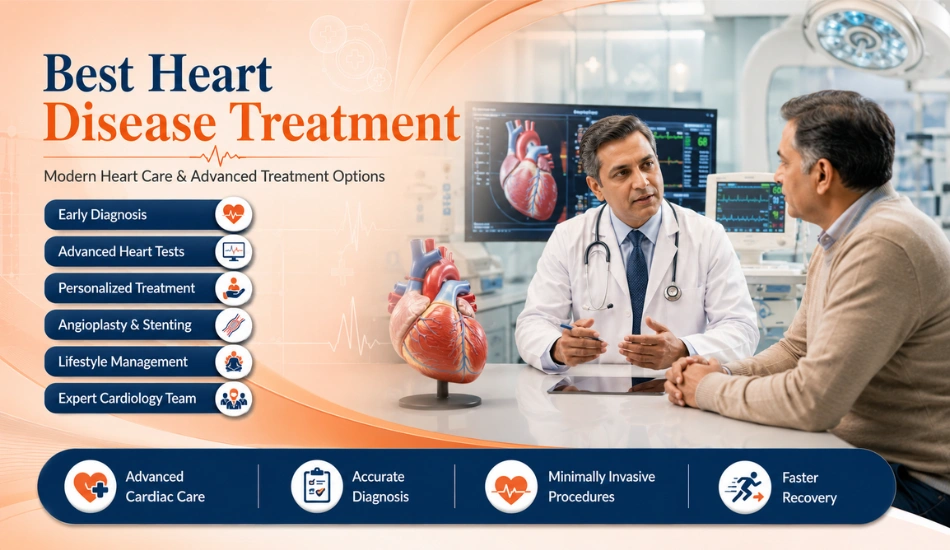
The best treatment for heart disease depends on the underlying condition. Mild heart disease may be managed with lifestyle changes and medications, while blocked arteries may require angioplasty or bypass surgery. Early diagnosis and personalized treatment by an experienced cardiologist help improve outcomes and reduce the risk of serious complications.
Table of Contents
1. What Is Heart Disease?
2. Common Symptoms of Heart Disease
3. Treatment Options for Heart Disease
4. Advanced Heart Care Services
5. Can Heart Disease Be Prevented?
6. When Should You See a Cardiologist?
7. Why Choose Shri Ram Hospital?
8. Frequently Asked Questions (FAQs)
What Is Heart Disease?
Heart disease refers to a group of conditions affecting the heart and blood vessels. Common heart conditions include:
- Coronary artery disease (blocked heart arteries)
- Heart attack
- Heart failure
- Arrhythmias (irregular heartbeat)
- Heart valve disease
- Cardiomyopathy
- Congenital heart disease
- Hypertensive heart disease
Each condition requires a personalized diagnosis and treatment plan from an experienced cardiologist.
Common Symptoms of Heart Disease
You should consult a cardiologist if you experience:
- Chest pain or pressure
- Shortness of breath
- Palpitations or irregular heartbeat
- Fatigue or weakness
- Dizziness or fainting
- Swelling of the legs or ankles
- Pain spreading to the arm, jaw, neck, or back
- Cold sweats associated with chest discomfort
Symptoms of a heart attack require immediate emergency medical attention.
Treatment Options for Heart Disease
1. Lifestyle Modifications
Healthy lifestyle habits remain the foundation of heart disease treatment and prevention.
- Eat a heart-healthy diet.
- Exercise regularly.
- Maintain a healthy body weight.
- Quit smoking.
- Limit alcohol intake.
- Manage stress effectively.
- Sleep adequately.
- Control diabetes and high blood pressure.
2. Medications
Your cardiologist may prescribe medicines to:
- Lower blood pressure.
- Reduce cholesterol.
- Prevent blood clots.
- Control abnormal heart rhythms.
- Relieve chest pain (angina).
- Improve heart function.
Always take medications exactly as prescribed and never stop them without consulting your doctor.
3. Angioplasty (PCI)
Angioplasty is a minimally invasive procedure performed when coronary arteries become narrowed or blocked.
During the procedure:
- A catheter is inserted through an artery.
- A balloon expands the narrowed artery.
- A stent is usually placed to keep the artery open.
Benefits include:
- Minimally invasive treatment.
- Faster recovery.
- Improved blood flow.
- Relief from chest pain.
- Reduced risk of heart attack in selected patients.
4. Coronary Artery Bypass Surgery (CABG)
Patients with multiple or complex coronary artery blockages may require bypass surgery.
During CABG, surgeons use healthy blood vessels from another part of the body to create a new pathway for blood to reach the heart muscle.
This procedure helps improve circulation, reduce symptoms, and improve long-term quality of life.
5. Pacemakers and Cardiac Devices
Patients with rhythm disorders may benefit from:
- Pacemaker implantation.
- Implantable Cardioverter Defibrillator (ICD).
- Cardiac Resynchronization Therapy (CRT).
These devices help regulate heart rhythm and reduce serious complications.
6. Heart Valve Treatment
Heart valve disease may be managed through:
- Medication.
- Balloon valvuloplasty.
- Valve repair surgery.
- Valve replacement surgery.
- Transcatheter procedures for selected patients.
7. Heart Failure Management
Treatment often includes:
- Evidence-based medications.
- Dietary and fluid management.
- Cardiac rehabilitation.
- Implantable cardiac devices.
- Surgery in selected cases.
Advanced Heart Care Services
Modern cardiology services include:
- Digital ECG.
- 2D Echocardiography.
- TMT (Stress Test).
- Holter Monitoring.
- CT Coronary Angiography.
- Coronary Angiography.
- Coronary Angioplasty.
- Cardiac ICU.
- Preventive Cardiology Programs.
Early diagnosis helps prevent complications and improves treatment success.
Can Heart Disease Be Prevented?
Many heart conditions can be prevented or delayed through healthy lifestyle choices.
- Exercise at least 150 minutes each week.
- Eat plenty of fruits and vegetables.
- Choose whole grains and lean proteins.
- Reduce salt intake.
- Maintain healthy cholesterol levels.
- Control blood pressure.
- Manage blood sugar.
- Avoid tobacco.
- Reduce stress.
- Schedule regular health check-ups.
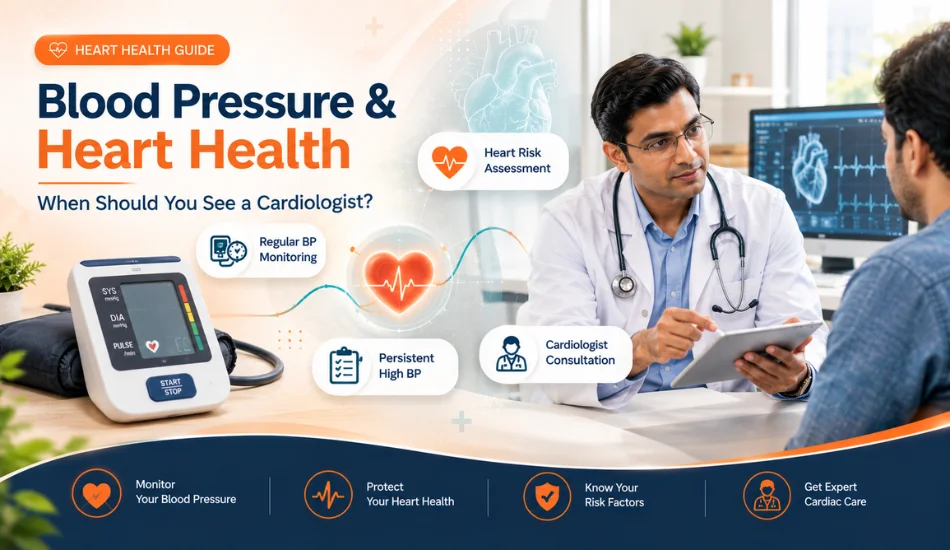
When Should You See a Cardiologist?
Consult a heart specialist if you have:
- Recurring chest pain.
- Shortness of breath.
- Palpitations.
- Family history of heart disease.
- High blood pressure.
- Diabetes.
- High cholesterol.
- Previous heart attack.
- Unexplained fatigue.
Early diagnosis and treatment can prevent serious heart complications.
Why Choose Shri Ram Hospital?
Patients looking for the Best Heart Hospital in Delhi trust Shri Ram Hospital because of:
- Experienced cardiologists.
- Advanced cardiac diagnostics.
- Modern Cath Lab facilities.
- 24×7 emergency cardiac care.
- Dedicated Cardiac ICU.
- Personalized treatment plans.
- Preventive heart health programs.
- Multidisciplinary cardiac care.
- Cashless insurance assistance.
Frequently Asked Questions (FAQs)
1. What is the best treatment for heart disease?
The best treatment depends on the specific heart condition. It may include lifestyle changes, medications, angioplasty, bypass surgery, or advanced cardiac procedures based on the severity of the disease.
2. Can heart disease be cured?
Some heart conditions can be successfully treated or controlled, while others require lifelong management. Early diagnosis and regular follow-up improve long-term outcomes.
3. Is angioplasty better than bypass surgery?
Not always. Angioplasty is suitable for certain blockages, whereas bypass surgery is often recommended for multiple or complex coronary artery disease.
4. What foods are good for heart health?
A heart-healthy diet includes fruits, vegetables, whole grains, fish, nuts, olive oil, low-fat dairy products, and lean proteins while limiting processed foods, excess salt, and sugary drinks.
5. Can lifestyle changes reverse heart disease?
Healthy lifestyle habits can slow disease progression, improve symptoms, and reduce cardiovascular risk. Advanced heart disease may still require medications or procedures.
6. When should I seek emergency medical care?
Seek immediate medical attention if you develop severe chest pain, sudden shortness of breath, pain radiating to the arm or jaw, excessive sweating, or fainting, as these may indicate a heart attack.