In the Beginning
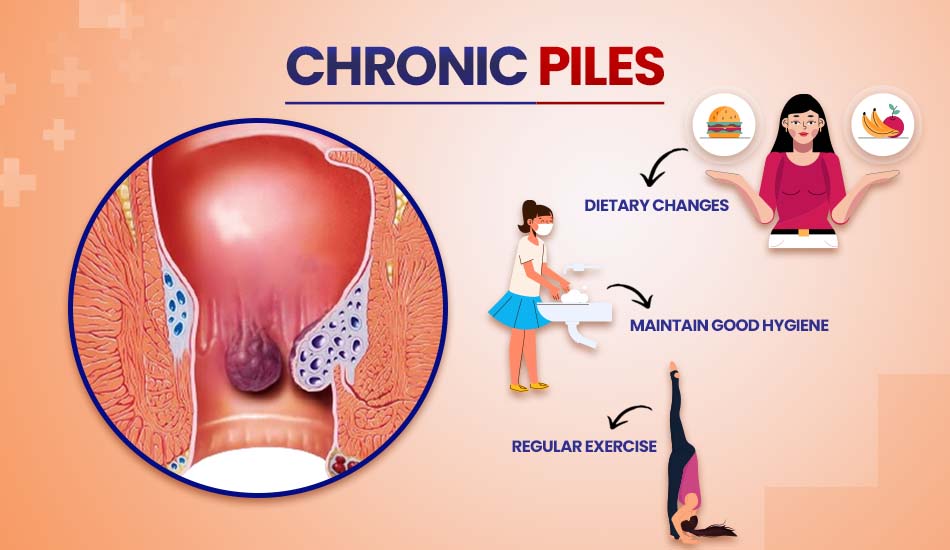
Chronic piles (hemorrhoids) are a long-term anorectal condition in which swollen veins in the rectum or anus continue to cause symptoms for months or repeatedly return despite lifestyle modifications and medications. While mild hemorrhoids may respond to conservative treatment, chronic piles can lead to ongoing discomfort, bleeding, itching, and complications that affect everyday life.
If recurring symptoms are interfering with your daily routine, seeking timely medical care is essential. Modern treatment options have significantly improved patient outcomes by providing safer, less painful, and more effective solutions for long-term relief.
Understanding chronic piles, their complications, and available treatment options can help patients make informed decisions about their health and prevent the condition from worsening.
Understanding Chronic Piles
Chronic piles are hemorrhoids that persist for an extended period or frequently recur after temporary improvement. They may develop inside the rectum, around the anal opening, or protrude outside the anus in advanced cases.
Several factors contribute to chronic hemorrhoids, including constipation, prolonged sitting, obesity, pregnancy, low-fiber dietary habits, and repeated straining during bowel movements.
Why Long-Term Piles Should Not Be Ignored?
Many patients attempt to manage recurring symptoms using home remedies and over-the-counter medications. While these measures may provide temporary relief, they often fail to address the underlying cause.
Ignoring persistent symptoms can increase the risk of complications, prolonged discomfort, and progression to more advanced stages of hemorrhoidal disease.
Table of Contents
1. Understanding Chronic Piles
2. Common Symptoms of Chronic Piles
3. Complications of Untreated Chronic Piles
4. How to Manage Chronic Piles
5. Lifestyle Changes for Better Recovery
6. When Laser Treatment Is Recommended
7. Benefits of Laser Treatment
8. Importance of Early Medical Care
9. Recovery After Treatment
10. Prevention Tips
11. Frequently Asked Questions
Common Symptoms of Chronic Piles
Patients suffering from chronic hemorrhoids may experience symptoms that continue for months or frequently return after temporary improvement.
| Symptom | Description |
|---|---|
| Rectal Bleeding | Bright red bleeding during or after bowel movements. |
| Anal Itching | Persistent irritation around the anal region. |
| Pain | Discomfort during bowel movements or prolonged sitting. |
| Swelling | Inflammation around the anus. |
| Mucus Discharge | Leakage causing irritation and discomfort. |
| Prolapse | Hemorrhoids protruding outside the anus. |
Symptoms that continue despite conservative treatment should be evaluated by a qualified specialist.
Complication #1: Continuous Bleeding
Frequent rectal bleeding is one of the most common complications associated with chronic hemorrhoids.
Over time, repeated blood loss may contribute to iron-deficiency anemia, causing fatigue, weakness, and reduced energy levels.
Complication #2: Prolapsed Hemorrhoids
As hemorrhoids enlarge, they may begin to protrude outside the anal canal.
- Difficulty maintaining hygiene.
- Persistent discomfort.
- Increased irritation.
- Need for medical intervention.
Advanced prolapsed hemorrhoids often require procedural treatment.
Complication #3: Thrombosed Piles
In some cases, blood clots can form within external hemorrhoids, resulting in thrombosed piles.
This condition often causes severe pain, swelling, and tenderness that may require urgent medical attention.
Complication #4: Chronic Discomfort
Persistent itching, irritation, burning sensations, and pain can significantly impact daily activities and overall quality of life.
Many patients find it difficult to sit comfortably or participate in routine activities due to ongoing symptoms.
Complication #5: Increased Risk of Recurrence
Without appropriate treatment, symptoms frequently return and may become progressively worse over time.
| Untreated Condition | Potential Outcome |
|---|---|
| Recurring Bleeding | Increased risk of anemia. |
| Persistent Swelling | Worsening discomfort. |
| Ongoing Prolapse | Advanced hemorrhoidal disease. |
| Chronic Inflammation | Reduced quality of life. |
How To Manage Chronic Piles?
Proper management focuses on reducing pressure on rectal veins and improving bowel habits.
- Increase dietary fiber intake.
- Drink adequate water throughout the day.
- Exercise regularly.
- Avoid prolonged sitting.
- Maintain a healthy body weight.
- Seek medical advice for persistent symptoms.
These measures may help reduce symptoms and lower the risk of recurrence.
Lifestyle Changes That Support Recovery
Healthy lifestyle habits play an important role in both symptom control and long-term prevention.
| Healthy Habit | Benefit |
|---|---|
| High-Fiber Diet | Softens stools and reduces straining. |
| Hydration | Supports healthy bowel movements. |
| Regular Exercise | Improves digestion and circulation. |
| Weight Management | Reduces pressure on rectal veins. |
| Healthy Bowel Habits | Prevents constipation. |
When Should You Consider Laser Treatment?
Doctors may recommend Laser treatment for piles when symptoms become recurrent or fail to respond adequately to conservative management.
- Symptoms continue to return.
- Bleeding becomes persistent.
- Medications provide only temporary relief.
- Internal hemorrhoids progress to advanced grades.
- Patients prefer minimally invasive treatment.
Laser technology precisely targets hemorrhoidal tissue while minimizing damage to surrounding structures, resulting in reduced pain and faster healing.
Benefits of Modern Laser Treatment
| Benefit | Advantage |
|---|---|
| Minimally Invasive | No major cuts or stitches. |
| Less Pain | Improved patient comfort. |
| Minimal Blood Loss | Laser seals blood vessels during treatment. |
| Faster Recovery | Earlier return to routine activities. |
| Short Hospital Stay | Often completed as a daycare procedure. |
Why Early Medical Treatment Matters?
Choosing professional Piles treatment in Delhi at the appropriate stage can help prevent complications and improve long-term outcomes.
Early diagnosis allows specialists to recommend the most suitable treatment option while minimizing the risk of disease progression.
| Benefit of Early Treatment | Outcome |
|---|---|
| Reduced Bleeding | Lower risk of anemia. |
| Better Symptom Control | Improved quality of life. |
| Faster Recovery | Earlier return to normal activities. |
| Lower Recurrence Risk | Long-term symptom relief. |
Recovery After Treatment
Recovery depends on the severity of the condition and the treatment method selected.
| Recovery Period | Expected Progress |
|---|---|
| First Few Days | Mild discomfort with gradual improvement. |
| 1 Week | Noticeable symptom relief. |
| 2–3 Weeks | Most daily activities resumed. |
| Several Weeks | Complete healing for many patients. |
Prevention Tips
- Maintain a fiber-rich diet.
- Drink plenty of water.
- Exercise regularly.
- Avoid prolonged sitting.
- Do not delay bowel movements.
- Manage constipation promptly.
Preventive measures can significantly reduce the risk of future hemorrhoid episodes.
A Guide To Long-Term Relief
Chronic piles can affect comfort, confidence, and overall well-being when left untreated. Recognizing symptoms early and seeking appropriate medical care can help prevent complications and improve quality of life. With modern treatment approaches and healthy lifestyle habits, many patients achieve long-lasting relief and return to their normal routine comfortably.
FAQs
1. Can chronic piles be cured permanently?
Many cases can be effectively managed with lifestyle modifications and advanced medical procedures. The appropriate treatment depends on the severity of the condition.
2. What is the best treatment for chronic piles?
The ideal treatment depends on the grade and symptoms of hemorrhoids. Options range from medications and dietary changes to advanced minimally invasive procedures.
3. Is laser treatment for piles safe?
Laser piles treatment is generally considered safe when performed by an experienced surgeon using modern equipment.
4. How long does recovery take after laser piles surgery?
Most patients recover faster than with conventional surgery and can return to routine activities within a few days, depending on individual circumstances.
5. When should I consult a specialist for chronic piles?
You should seek medical evaluation if symptoms persist, recur frequently, or significantly affect your daily activities and quality of life.