

In the beginning
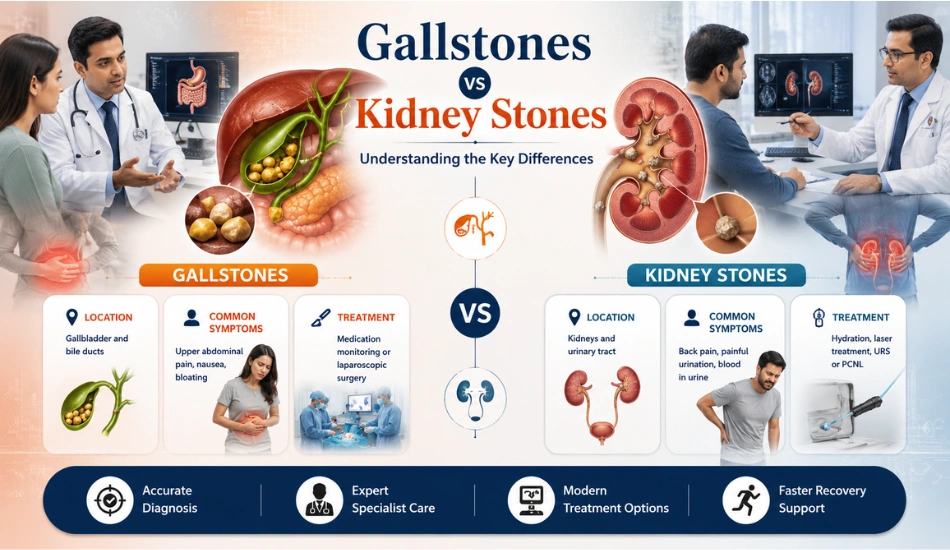
Gallbladder stones and kidney stones are two common medical conditions that are often confused because both involve the formation of hard deposits inside the body and can cause severe pain. However, these conditions affect entirely different organs, develop due to different causes, produce different symptoms, and require different treatment approaches.
Understanding the difference between gallbladder stones vs kidney stones is important for early diagnosis and timely treatment. While gallstones develop inside the gallbladder and affect the digestive system, kidney stones form in the kidneys and affect the urinary system. Knowing the warning signs can help patients seek medical attention before serious complications occur.
In this comprehensive guide, we explain the differences between gallstones and kidney stones, including symptoms, causes, risk factors, treatment options, surgery, recovery, prevention strategies, and frequently asked questions.
Establishing An Understanding Of Gallbladder Stones And Kidney Stones :
Although both conditions involve stone formation, they occur in different organs and contain different substances.
Gallbladder Stones (Gallstones) are hardened deposits that form inside the gallbladder, a small organ located beneath the liver that stores bile used for digestion.
Kidney Stones are hard mineral and salt deposits that develop inside the kidneys and may travel through the urinary tract.
Because these stones affect different body systems, the symptoms and treatment methods vary significantly.
Just Why Understanding The Difference Important ?
Many patients mistake gallstone pain for kidney stone pain and vice versa. Since treatment options differ greatly, an accurate diagnosis is essential.
Recognizing the location of pain, associated symptoms, and risk factors can help doctors quickly identify the underlying condition and recommend the most effective treatment plan.
Table of Contents
1. Understanding Gallbladder Stones and Kidney Stones
2. Gallbladder Stones vs Kidney Stones Overview
3. What Are Gallbladder Stones?
4. What Are Kidney Stones?
5. Symptoms of Gallbladder Stones
6. Symptoms of Kidney Stones
7. Causes of Gallstones
8. Causes of Kidney Stones
9. Risk Factors Comparison
10. Diagnosis of Gallstones and Kidney Stones
11. Treatment Options
12. Surgery Options
13. Recovery After Treatment
14. Prevention Tips
15. When to See a Doctor
16. Frequently Asked Questions
Gallbladder Stones vs Kidney Stones: Quick Comparison
| Feature | Gallbladder Stones | Kidney Stones |
|---|---|---|
| Location | Gallbladder | Kidneys |
| System Affected | Digestive System | Urinary System |
| Main Composition | Cholesterol and Bile Pigments | Calcium, Uric Acid, Minerals |
| Common Pain Area | Upper Right Abdomen | Lower Back and Side |
| Associated Symptoms | Nausea, Digestive Problems | Burning Urination, Blood in Urine |
| Treatment | Gallbladder Removal Surgery | Medication or Stone Removal |
What Are Gallbladder Stones?
Gallstones are hardened deposits that develop inside the gallbladder when substances in bile become imbalanced. Some gallstones remain silent, while others block bile ducts and cause severe pain.
Gallstones may range in size from tiny grains to large stones measuring several centimeters.
Common Symptoms of Gallbladder Stones
- Sudden pain in the upper right abdomen.
- Pain after eating fatty foods.
- Nausea and vomiting.
- Bloating and indigestion.
- Pain radiating to the right shoulder.
- Abdominal discomfort after meals.
- Jaundice if bile ducts become blocked.
What Are Kidney Stones?
Kidney stones are hard deposits made from minerals and salts that form inside the kidneys. These stones may stay within the kidney or move into the urinary tract, causing intense pain.
Kidney stones vary in size and may affect one or both kidneys.
Common Symptoms of Kidney Stones
- Severe lower back or flank pain.
- Pain radiating toward the groin.
- Burning sensation while urinating.
- Blood in urine.
- Frequent urination.
- Nausea and vomiting.
- Difficulty passing urine.
- Fever if infection develops.
Patient Preparation :
Doctors use various tests to accurately diagnose gallstones and kidney stones.
| Diagnostic Test | Gallstones | Kidney Stones |
|---|---|---|
| Ultrasound | Commonly Used | Commonly Used |
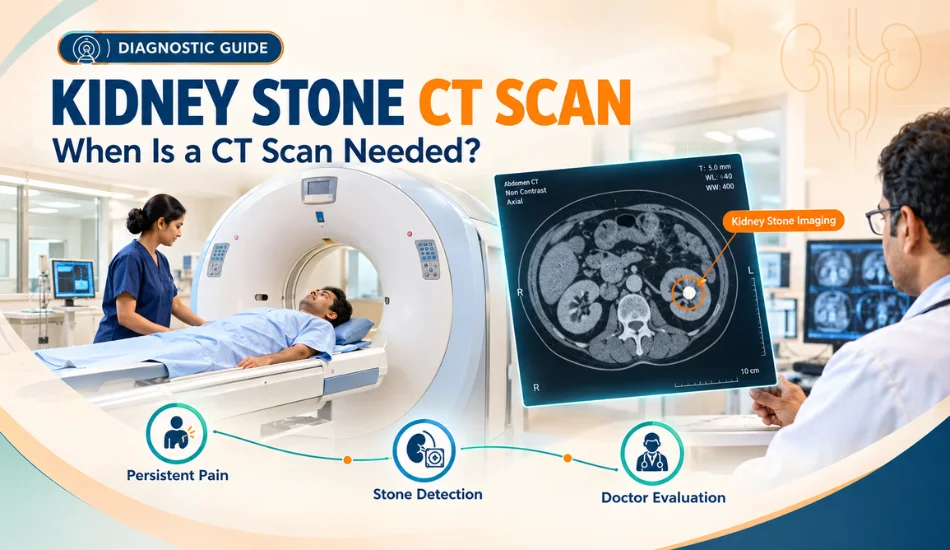
| CT Scan | Sometimes Used | Highly Effective |
| Blood Tests | Used | Used |
| Urine Tests | Rarely Required | Frequently Required |
| X-Ray | Occasionally Used | Often Used |
Causes of Gallstones
Gallstones commonly develop due to:
- High cholesterol levels in bile.
- Obesity.
- Rapid weight loss.
- Diabetes.
- Family history.
- Hormonal changes.
- Poor dietary habits.
Causes of Kidney Stones
Kidney stones often develop because of:
- Dehydration.
- High salt intake.
- Excess animal protein consumption.
- Metabolic disorders.
- Obesity.
- Family history.
- Certain medications.
Risk Factors Comparison
| Risk Factor | Gallstones | Kidney Stones |
|---|---|---|
| Obesity | High Risk | High Risk |
| Family History | Common | Common |
| Poor Diet | Major Factor | Major Factor |
| Dehydration | Less Common | Major Cause |
| Diabetes | Associated | Associated |
Treatment Options
The treatment approach depends on the type of stone, symptoms, and overall patient condition.
| Treatment | Gallstones | Kidney Stones |
|---|---|---|
| Observation | Possible for Silent Stones | Possible for Small Stones |
| Medication | Limited Use | Often Used |
| Laser Treatment | Rare | Common |
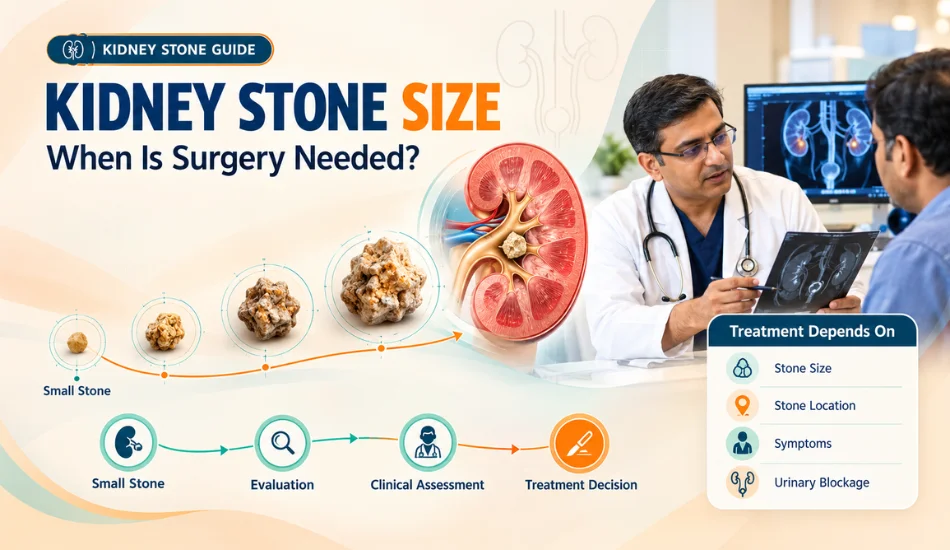
| Surgery | Frequently Required | For Large Stones |
The day of the magical operation :
When surgery becomes necessary, different procedures are performed depending on the condition.
| Condition | Common Surgical Procedure |
|---|---|
| Gallstones | Laparoscopic Gallbladder Removal (Cholecystectomy) |
| Kidney Stones | RIRS, PCNL, URSL, Laser Stone Removal |
Both procedures are commonly performed using minimally invasive techniques, resulting in faster recovery and reduced discomfort.
The Superhero Tools :
Modern hospitals use advanced technologies for stone treatment, including:
- High-definition laparoscopic systems.
- Laser stone fragmentation devices.
- Flexible endoscopes.
- Digital imaging systems.
- Minimally invasive surgical equipment.
These technologies improve treatment precision and patient outcomes.
Recovery Time :
| Treatment | Typical Recovery Time |
|---|---|
| Laparoscopic Gallbladder Surgery | 1–2 Weeks |
| Laser Kidney Stone Surgery | Few Days to 2 Weeks |
| PCNL | 2–4 Weeks |
Recovery may vary depending on the patient's age, overall health, and procedure type.
Taking Care of Yourself :
Preventive measures can reduce the risk of both gallstones and kidney stones.
| Prevention Strategy | Benefit |
|---|---|
| Maintain Healthy Weight | Reduces risk of stone formation. |
| Balanced Diet | Supports digestive and urinary health. |
| Stay Hydrated | Particularly important for kidney stone prevention. |
| Exercise Regularly | Improves overall health. |
| Routine Health Checkups | Helps detect problems early. |
When Should You See a Doctor?
Medical evaluation should be sought immediately if you experience:
- Severe abdominal or back pain.
- Blood in urine.
- Persistent nausea or vomiting.
- Jaundice.
- Fever and chills.
- Difficulty urinating.
- Unexplained digestive symptoms.
Early diagnosis often prevents complications and improves treatment outcomes.
A Guide to Feeling Better :
Although gallbladder stones and kidney stones may appear similar, they are very different conditions affecting separate organs and body systems. Gallstones primarily affect digestion and typically cause upper abdominal pain, while kidney stones affect the urinary tract and often cause severe flank pain and urinary symptoms. Understanding the differences between gallbladder stones vs kidney stones helps patients recognize symptoms early, seek timely treatment, and avoid complications. Modern diagnostic techniques and minimally invasive treatments have made both conditions highly manageable when treated by experienced specialists.
FAQs
1. Are gallstones and kidney stones the same?
No. Gallstones form in the gallbladder, while kidney stones develop in the kidneys and urinary tract.
2. Which is more painful, gallstones or kidney stones?
Both can cause severe pain, but kidney stones are often associated with intense flank pain that may radiate to the groin.
3. Can gallstones cause urinary symptoms?
No. Gallstones primarily affect digestion and usually do not cause urinary symptoms.
4. Can kidney stones cause stomach pain?
Yes. Kidney stone pain can sometimes spread to the lower abdomen and groin area.
5. Can both conditions be treated without surgery?
Small kidney stones may pass naturally, and silent gallstones may only require monitoring. However, symptomatic stones often need medical or surgical treatment.