
In the beginning
The kidneys are vital organs responsible for filtering waste, balancing body fluids, controlling blood pressure, and maintaining overall health. When kidneys gradually lose their ability to function properly, it can lead to kidney failure, a serious medical condition that requires immediate attention. Recognizing the early signs of kidney failure can help patients receive timely treatment and prevent severe complications. Choosing the right kidney care and nephrology treatment in Delhi ensures early diagnosis, advanced medical support, and better long-term health outcomes.
Establishing An Understanding Of Kidney Failure :
Kidney failure occurs when the kidneys are unable to remove waste products and excess fluids effectively from the body. Chronic kidney disease (CKD), diabetes, high blood pressure, infections, kidney stones, and certain medications are common causes of kidney damage. Early diagnosis is extremely important because kidney problems often develop slowly and may not show symptoms in the beginning stages.
Just Why Early Detection Important ?
Detecting kidney disease early can help prevent permanent kidney damage and reduce the risk of dialysis or kidney transplant in the future. Many early symptoms of kidney failure are often ignored because they appear mild initially. Regular health checkups, blood tests, urine analysis, and timely medical consultation can help diagnose kidney disease before it becomes severe.
Table of Contents
Understanding Kidney Failure
Importance of Early Diagnosis
Common Causes of Kidney Disease
Early Warning Signs of Kidney Failure
Advanced Diagnostic Tests
Treatment & Kidney Care Options
Prevention and Lifestyle Management
Benefits of Timely Nephrology Treatment
Patient Preparation :
If patients experience symptoms related to kidney problems, doctors may recommend blood tests, urine tests, ultrasound scans, kidney function tests, and blood pressure monitoring. Patients should share their medical history, diabetes status, medications, and lifestyle habits with the doctor for accurate diagnosis and treatment planning.
The day of the magical operation :
Kidney disease treatment depends on the severity of the condition. In early stages, doctors focus on controlling blood pressure, diabetes, infections, and other causes of kidney damage. Advanced kidney failure may require dialysis, hospitalization, or specialized nephrology care. Early medical intervention can slow disease progression and improve quality of life.
The Superhero Tools :
Modern nephrology departments in Delhi use advanced diagnostic technology such as digital imaging, kidney function analysis, dialysis systems, laboratory testing, and real-time patient monitoring. These technologies help specialists detect kidney disease early and provide accurate treatment for better patient outcomes.
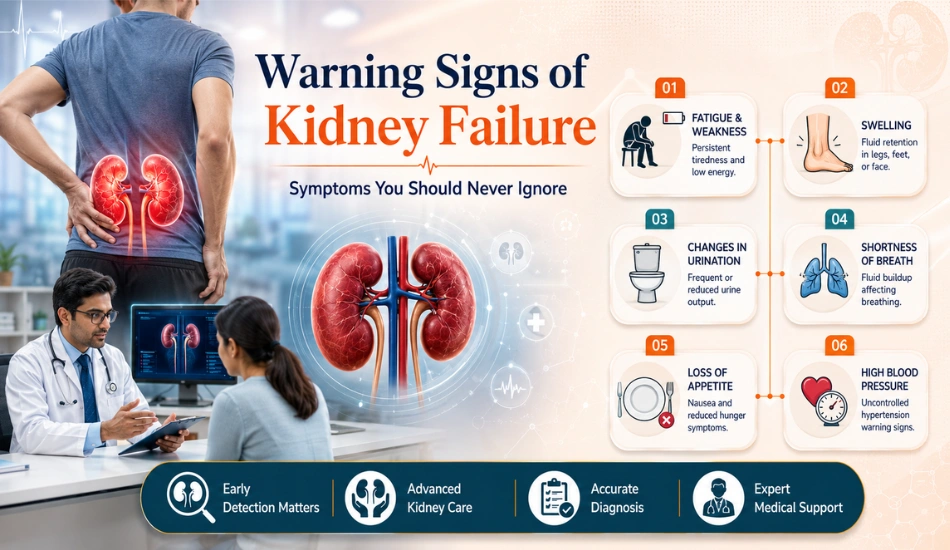
Early Signs of Kidney Failure You Should Never Ignore
| Early Symptoms | What It May Indicate |
|---|---|
| Swelling in Legs, Feet, or Face | Kidneys may be unable to remove excess fluids properly from the body. |
| Frequent Urination | Changes in urination patterns may indicate kidney function problems. |
| Foamy or Bloody Urine | Protein leakage or blood in urine can be an early sign of kidney disease. |
| Fatigue and Weakness | Kidney problems may lead to toxin buildup and reduced red blood cell production. |
| Loss of Appetite | Waste accumulation in the body can affect digestion and appetite. |
| Nausea and Vomiting | Advanced toxin buildup may cause digestive discomfort and nausea. |
| High Blood Pressure | Kidney disease and uncontrolled blood pressure are closely connected. |
| Shortness of Breath | Fluid buildup in the lungs or anemia may cause breathing difficulties. |
| Difficulty Sleeping | Kidney dysfunction can affect sleep quality and cause restlessness. |
| Persistent Itching | Toxin buildup in the bloodstream may lead to severe skin itching. |
Recovery Time :
Recovery and treatment outcomes depend on the stage of kidney disease and overall patient health. Early diagnosis often allows patients to manage kidney conditions with medication, dietary changes, and lifestyle improvements. Advanced kidney failure may require dialysis or long-term nephrology treatment for ongoing support.
Taking Care of Yourself :
Maintaining healthy blood pressure, controlling diabetes, drinking adequate water, avoiding smoking, and following a balanced diet are important for kidney health. Patients should avoid self-medication and undergo regular health checkups if they are at risk of kidney disease. Early medical consultation can prevent severe kidney complications.
A Guide to Feeling Better :
Recognizing the early signs of kidney failure can help patients seek timely medical care and prevent permanent kidney damage. Modern nephrology treatment and advanced diagnostic technology in Delhi support accurate diagnosis and effective kidney care. With proper treatment, healthy lifestyle habits, and regular monitoring, patients can protect kidney function and improve long-term health outcomes.
FAQs
1. What are the early signs of kidney failure?
Early signs include swelling, fatigue, changes in urination, high blood pressure, nausea, and foamy urine.
2. Can kidney failure be prevented?
Yes, controlling diabetes, blood pressure, maintaining hydration, and regular checkups can help reduce kidney disease risk.
3. Which diseases commonly cause kidney failure?
Diabetes, hypertension, infections, kidney stones, and chronic kidney disease are common causes of kidney failure.
4. When should I see a kidney specialist?
You should consult a nephrologist if you experience swelling, abnormal urination, fatigue, or persistent high blood pressure.
5. Is dialysis always required in kidney failure?
No, early-stage kidney disease can often be managed with medicines and lifestyle changes before dialysis becomes necessary.