In the beginning
An anal fistula is a painful and often recurring condition that develops as an abnormal tunnel between the anal canal and the skin around the anus. It usually occurs after an anal abscess or infection that fails to heal completely. Without proper treatment, an anal fistula can cause continuous discomfort, pus discharge, swelling, and repeated infections. If you are looking for Anal Fistula Treatment in Delhi, understanding the available treatment options can help you make informed decisions and achieve long-term relief.
Establishing An Understanding Of Anal Fistula :
An anal fistula forms when an infected gland near the anus creates a passage connecting the inside of the anal canal to the outer skin. The condition rarely heals on its own and often requires medical or surgical treatment. Delayed treatment can increase the risk of recurrent infections, abscess formation, and complications affecting daily life.
Just Why Early Treatment Important ?
Early diagnosis and treatment of an anal fistula help prevent repeated infections, chronic pain, and tissue damage. Modern medical advancements have introduced minimally invasive treatment options that provide effective results with reduced discomfort and faster recovery. Consulting an experienced proctologist or colorectal surgeon at the earliest signs can significantly improve treatment outcomes.
Table of Contents
Understanding Anal Fistula
Common Causes and Risk Factors
Symptoms of Anal Fistula
Diagnostic Procedures
Available Treatment Options
Laser Treatment for Anal Fistula
Recovery and Post-Treatment Care
Benefits of Early Treatment
Patient Preparation :
Before starting treatment, the doctor will perform a detailed examination and may recommend diagnostic tests such as anoscopy, MRI scan, fistulography, or ultrasound imaging. These tests help determine the location, depth, and complexity of the fistula. Patients should discuss their symptoms, medical history, and previous treatments to help create an effective treatment plan.
The day of the magical operation :
The treatment approach depends on the complexity and type of fistula. Simple fistulas may require minor surgical procedures, while complex fistulas may need advanced techniques to preserve anal sphincter function and prevent recurrence. Modern treatment methods focus on minimizing pain, reducing hospital stay, and promoting faster healing.
The Superhero Tools :
Advanced hospitals in Delhi use modern diagnostic imaging, laser technology, minimally invasive surgical equipment, and specialized proctology techniques for effective fistula treatment. These technologies help improve precision, reduce complications, and enhance patient recovery.
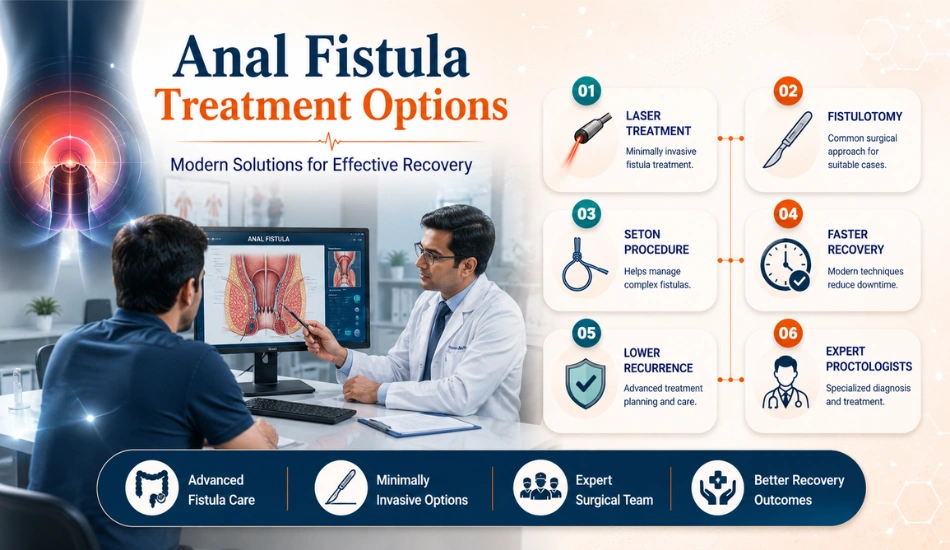
Available Treatment Options for Anal Fistula
| Treatment Option | Description | Benefits |
|---|---|---|
| Medications | Used to control infection and inflammation before definitive treatment. | Provides temporary symptom relief and infection management. |
| Fistulotomy | The fistula tract is surgically opened and allowed to heal naturally. | Highly effective for simple fistulas with good success rates. |
| Seton Placement | A surgical thread is placed through the fistula tract to promote gradual healing. | Useful for complex fistulas while preserving sphincter muscles. |
| Laser Fistula Treatment (FiLaC) | Laser energy is used to close the fistula tract from within. | Minimally invasive, less pain, minimal bleeding, and faster recovery. |
| LIFT Procedure | Ligation of the intersphincteric fistula tract to close the abnormal connection. | Reduces recurrence risk and protects anal sphincter function. |
| Advancement Flap Surgery | Healthy tissue is used to cover the internal fistula opening. | Effective for complex or recurrent fistulas. |
Common Symptoms of Anal Fistula
| Symptoms | What It May Indicate |
|---|---|
| Persistent Anal Pain | Ongoing infection or inflammation around the fistula tract. |
| Pus or Fluid Discharge | One of the most common signs of an anal fistula. |
| Swelling Near the Anus | May indicate an abscess or active infection. |
| Skin Irritation | Continuous discharge can cause itching and irritation. |
| Recurrent Abscesses | Repeated infections often suggest an untreated fistula. |
| Discomfort While Sitting | Inflammation and infection may cause pain during daily activities. |
Recovery Time :
Recovery depends on the treatment method and complexity of the fistula. Minimally invasive laser treatments generally offer shorter recovery periods and less discomfort compared to traditional surgery. Most patients can return to routine activities within a few days to a few weeks, depending on their doctor's recommendations.
Taking Care of Yourself :
Proper post-treatment care includes maintaining hygiene, consuming a high-fiber diet, staying hydrated, and following all medical instructions. Regular follow-up visits are important to monitor healing and reduce the risk of recurrence. Patients should avoid straining during bowel movements and maintain healthy bowel habits.
A Guide to Feeling Better :
Anal fistula rarely heals without medical intervention, making early diagnosis and treatment essential. Modern options for Anal Fistula Treatment in Delhi, including laser fistula surgery, fistulotomy, and LIFT procedures, provide effective and long-lasting results. Consulting an experienced proctologist can help determine the most suitable treatment approach and ensure a smooth recovery with minimal complications.
FAQs
1. Can an anal fistula heal without surgery?
Most anal fistulas do not heal on their own and usually require medical or surgical treatment for permanent relief.
2. What is the best treatment for anal fistula?
The best treatment depends on the fistula type and complexity. Laser treatment, fistulotomy, and LIFT procedures are commonly recommended options.
3. Is laser treatment effective for anal fistula?
Yes, laser fistula treatment is a minimally invasive option that offers less pain, minimal bleeding, and faster recovery.
4. How long does recovery take after fistula surgery?
Recovery varies depending on the procedure but generally ranges from a few days to several weeks.
5. Which doctor should I consult for anal fistula treatment?
You should consult a proctologist, colorectal surgeon, or experienced general surgeon specializing in anorectal disorders.