In the beginning
Heart disease remains one of the leading causes of death in India, and many people do not realize they have a heart problem until they experience a serious event like a heart attack or stroke. The good news is that regular heart health screening can detect many cardiovascular conditions before symptoms appear, allowing timely treatment and lifestyle changes that significantly reduce health risks.
If you are searching for a Heart Checkup in Delhi, understanding which cardiac tests are recommended at different ages can help you take proactive steps toward protecting your heart. Whether you have high blood pressure, diabetes, high cholesterol, obesity, or simply want preventive healthcare, a comprehensive heart checkup can provide valuable insights into your cardiovascular health.
This guide explains the importance of regular heart checkups, the most common cardiac tests, who should undergo screening, and how early diagnosis helps prevent serious heart diseases.
Establishing An Understanding Of Heart Checkups :
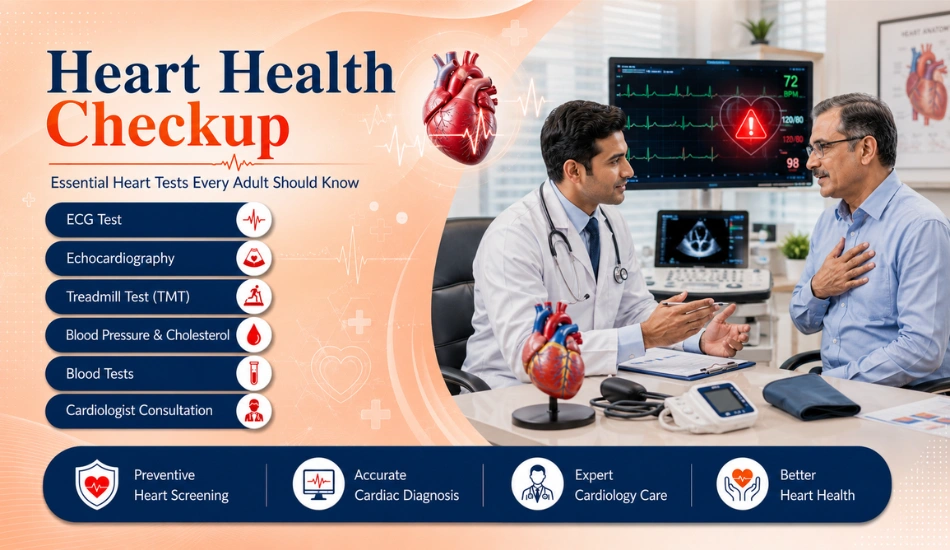
A heart checkup is a comprehensive medical evaluation designed to assess the health of your heart and blood vessels. It includes a detailed medical history, physical examination, blood investigations, blood pressure monitoring, and advanced cardiac tests when required.
Routine cardiac screening helps identify risk factors such as high cholesterol, hypertension, diabetes, irregular heartbeat, blocked arteries, and reduced heart function before they become life-threatening.
Just Why Regular Heart Checkups Important ?
Many cardiovascular diseases develop silently over several years without noticeable symptoms. By the time chest pain or breathlessness occurs, significant damage may already have developed.
Early diagnosis through preventive heart screening allows doctors to recommend medications, lifestyle modifications, and appropriate treatment before complications such as heart attack, heart failure, or stroke occur.
Table of Contents
1. What Is a Heart Checkup?
2. Why Adults Should Get Regular Heart Screening
3. Who Needs a Heart Checkup?
4. Basic Heart Health Assessment
5. Blood Tests for Heart Health
6. ECG (Electrocardiogram)
7. 2D Echocardiography
8. Treadmill Test (TMT)
9. Holter Monitoring
10. Advanced Cardiac Imaging
11. Common Risk Factors for Heart Disease
12. Heart-Healthy Lifestyle Tips
13. When to Visit a Cardiologist
14. Benefits of Early Detection
15. Frequently Asked Questions
Who Should Consider a Heart Checkup?
Every adult should undergo regular heart health screening, especially after the age of 30–40 years. Individuals with existing medical conditions or a family history of heart disease may require earlier and more frequent evaluations.
| Person | Why Heart Screening Is Important |
|---|---|
| Adults Above 30 Years | Early identification of cardiovascular risk factors. |
| People with Diabetes | Higher risk of coronary artery disease. |
| High Blood Pressure Patients | Prevents heart and blood vessel damage. |
| High Cholesterol | Detects artery blockage risk. |
| Smokers | Increased risk of heart attack and stroke. |
| Obese Individuals | Higher cardiovascular disease risk. |
| Family History of Heart Disease | Requires earlier preventive screening. |
Basic Heart Health Assessment
The first step of a heart checkup usually includes a complete physical evaluation.
Your doctor may assess:
- Blood pressure.
- Heart rate.
- Body weight and BMI.
- Medical history.
- Family history.
- Lifestyle habits.
- Current medications.
This information helps determine your overall cardiovascular risk profile.
Patient Preparation :
Before your heart checkup, your doctor may advise:
- Fasting before blood tests.
- Bringing previous medical reports.
- Listing current medications.
- Avoiding heavy meals before stress tests.
- Wearing comfortable clothing for treadmill testing.
Proper preparation helps ensure accurate diagnostic results.
Essential Blood Tests for Heart Health
Blood investigations provide valuable information about cardiovascular risk factors.
| Blood Test | Purpose |
|---|---|
| Lipid Profile | Measures cholesterol and triglycerides. |
| Blood Sugar (Fasting/HbA1c) | Detects diabetes. |
| Kidney Function Test | Evaluates kidney health before treatment. |
| Liver Function Test | Monitors medication safety. |
| Complete Blood Count | Detects anemia or infection. |
| Thyroid Profile | Identifies thyroid-related heart issues. |
Regular blood testing helps detect conditions that increase the risk of heart disease.
Electrocardiogram (ECG)
An Electrocardiogram (ECG) is one of the most common cardiac tests. It records the electrical activity of the heart and helps identify:
- Irregular heartbeat.
- Previous heart attack.
- Heart rhythm disorders.
- Conduction abnormalities.
- Signs of enlarged heart.
The ECG is quick, painless, and often performed during routine heart evaluations.
2D Echocardiography
A 2D Echo uses ultrasound technology to create moving images of the heart.
It evaluates:
- Heart muscle function.
- Heart valve disorders.
- Pumping efficiency.
- Congenital heart defects.
- Fluid around the heart.
This non-invasive test provides detailed structural information about the heart.
Treadmill Test (TMT)
The Treadmill Test evaluates how your heart performs during physical exercise.
| TMT Helps Detect | Clinical Importance |
|---|---|
| Coronary Artery Disease | Reduced blood flow during exercise. |
| Exercise Tolerance | Measures cardiovascular fitness. |
| Exercise-Induced Arrhythmias | Detects rhythm abnormalities. |
| Chest Pain Evaluation | Assesses exercise-related symptoms. |
Your cardiologist may recommend TMT if you experience chest discomfort or have multiple cardiac risk factors.
Holter Monitoring
A Holter Monitor continuously records heart rhythm for 24 to 48 hours.
It is particularly useful for:
- Intermittent palpitations.
- Dizziness.
- Fainting episodes.
- Irregular heartbeat.
- Monitoring treatment effectiveness.
This portable device helps detect rhythm abnormalities that may not appear during a standard ECG.
Advanced Cardiac Imaging
Some patients may require advanced imaging based on symptoms or initial test results.
| Advanced Test | Purpose |
|---|---|
| CT Coronary Angiography | Visualizes coronary artery blockages. |
| Coronary Angiography | Detailed evaluation of heart arteries. |
| Cardiac MRI | Assesses heart muscle diseases. |
| Stress Echo | Combines ultrasound with exercise evaluation. |
Your cardiologist recommends these investigations only when clinically necessary.
The day of the magical operation :
Most heart checkups are non-invasive and completed within a few hours. If abnormalities are detected, your cardiologist will recommend an individualized treatment plan that may include medications, lifestyle modifications, further investigations, or minimally invasive procedures.
Early diagnosis often prevents the need for major cardiac surgery.
The Superhero Tools :
Modern cardiology centers use advanced technologies for accurate heart assessment.
- Digital ECG machines.
- 2D Echocardiography with Doppler.
- Stress testing systems.
- Holter monitoring devices.
- Cardiac CT imaging.
- Digital blood pressure monitoring.
These technologies improve diagnostic accuracy and support evidence-based treatment planning.
Heart-Healthy Lifestyle Tips
Along with regular heart checkups, healthy lifestyle habits greatly reduce cardiovascular risk.
| Healthy Habit | Benefit |
|---|---|
| Regular Exercise | Improves cardiovascular fitness. |
| Balanced Diet | Controls cholesterol levels. |
| Quit Smoking | Reduces heart attack risk. |
| Weight Management | Decreases cardiac workload. |
| Blood Pressure Control | Protects arteries and heart muscle. |
| Stress Management | Supports overall heart health. |
Recovery Time :
Routine heart checkup procedures usually require no recovery time, and patients can resume normal activities immediately after most tests. If specialized investigations such as angiography are performed, your cardiologist will provide specific post-procedure instructions.
Regular follow-up appointments help monitor heart health and ensure timely intervention if new risk factors develop.
Taking Care of Yourself :
Heart disease prevention starts with awareness and regular health monitoring.
- Schedule routine heart checkups.
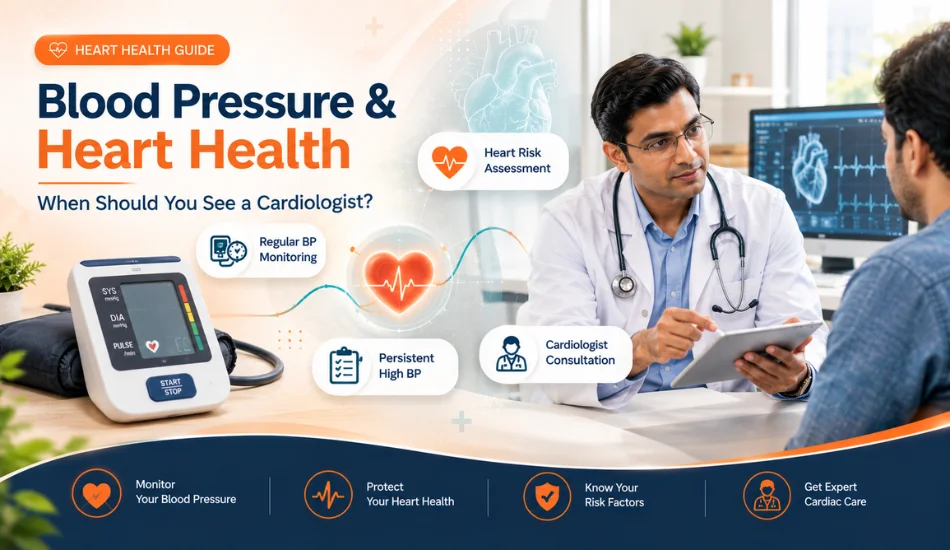
- Monitor blood pressure regularly.
- Maintain healthy cholesterol levels.
- Control diabetes effectively.
- Exercise regularly.
- Follow a heart-friendly diet.
- Avoid smoking and excessive alcohol.
- Consult a cardiologist if symptoms develop.
Preventive healthcare remains the most effective strategy for protecting long-term cardiovascular health.
A Guide to Feeling Better :
A Heart Checkup in Delhi is one of the most effective ways to detect cardiovascular disease at an early stage and reduce the risk of serious complications. Comprehensive heart screening—including blood tests, ECG, 2D Echo, TMT, Holter monitoring, and advanced imaging when required—helps identify risk factors before symptoms become severe. Adults, especially those over 30 years of age or living with diabetes, hypertension, obesity, or a family history of heart disease, should consider regular cardiac evaluations as part of preventive healthcare. Early diagnosis, combined with healthy lifestyle choices and timely medical care, can protect your heart and improve your overall quality of life.
FAQs
1. At what age should adults start regular heart checkups?
Most adults should begin routine heart health screening around 30–40 years of age, or earlier if they have risk factors such as diabetes, hypertension, obesity, or a family history of heart disease.
2. Which heart test is commonly performed during a routine checkup?
An ECG, blood pressure measurement, lipid profile, blood sugar testing, and physical examination are commonly included in a routine heart evaluation.
3. Is a heart checkup painful?
No. Most cardiac tests such as ECG, blood tests, echocardiography, and treadmill testing are non-invasive or minimally invasive and are generally well tolerated.
4. How often should I undergo a heart checkup?
The frequency depends on your age, medical history, and cardiovascular risk factors. Your cardiologist can recommend an appropriate screening schedule.
5. Can regular heart checkups prevent heart attacks?
Regular heart screening helps detect risk factors early, allowing timely treatment and lifestyle modifications that can significantly reduce the risk of heart attacks and other cardiovascular complications.