In the beginning
Heart disease is one of the leading causes of illness and death worldwide, but many serious heart conditions develop gradually and often begin with subtle warning signs. Unfortunately, these early symptoms are frequently ignored or mistaken for common problems such as indigestion, stress, fatigue, or muscle pain.
Recognizing the early signs of heart disease can lead to timely diagnosis, appropriate treatment, and prevention of life-threatening complications such as heart attack, heart failure, or stroke. Early medical evaluation can significantly improve long-term heart health and quality of life.
In this comprehensive guide, we explain the early symptoms of heart disease, common risk factors, diagnostic tests, treatment options, and lifestyle changes that help protect your heart.
Establishing An Understanding Of Heart Disease :
Heart disease is a broad term that includes conditions affecting the heart muscle, coronary arteries, heart valves, electrical system, and blood vessels. Common cardiovascular diseases include coronary artery disease, heart failure, arrhythmias, heart valve disorders, and congenital heart conditions.
Many heart diseases progress silently for years before producing noticeable symptoms. Identifying the warning signs early allows doctors to begin treatment before permanent heart damage occurs.
Just Why Early Detection Important ?
Heart disease often develops gradually. Seeking medical care when early symptoms appear can reduce the risk of heart attack, stroke, kidney damage, and other serious complications.
Routine health checkups, especially for people with diabetes, hypertension, obesity, or a family history of heart disease, play an essential role in early detection.
Table of Contents
1. What Is Heart Disease?
2. Why Early Detection Matters
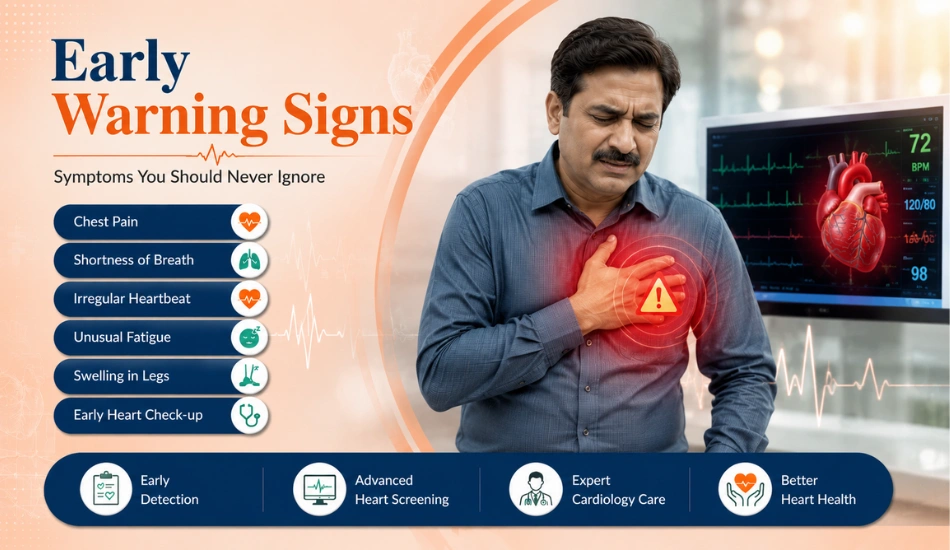
3. Early Signs of Heart Disease
4. Chest Pain and Angina
5. Shortness of Breath
6. Fatigue and Weakness
7. Irregular Heartbeat (Palpitations)
8. Swelling in Legs and Feet
9. Risk Factors for Heart Disease
10. Heart Disease Diagnosis
11. Available Treatment Options
12. Lifestyle Changes for Heart Health
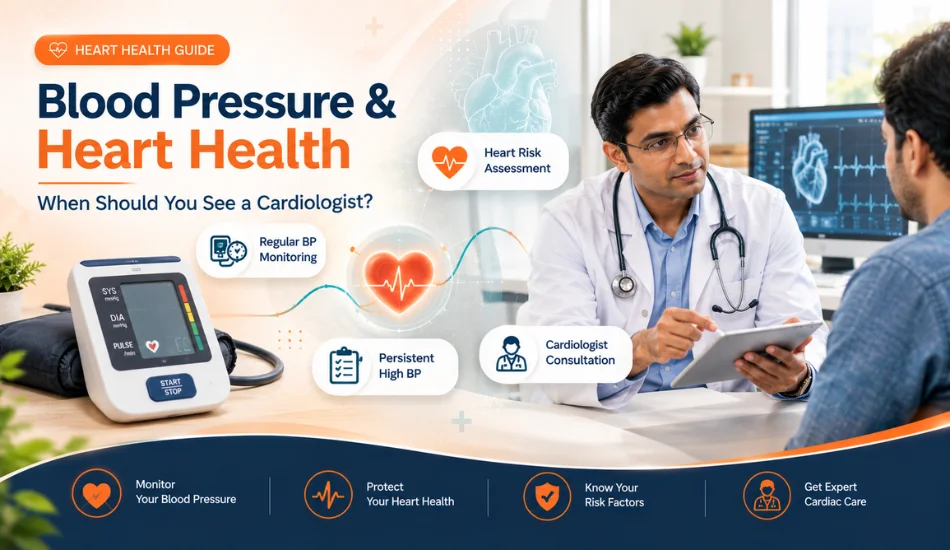
13. When to See a Cardiologist
14. Emergency Warning Signs
15. Frequently Asked Questions
Common Early Signs of Heart Disease
The symptoms of heart disease vary depending on the underlying condition. Some people experience only mild discomfort, while others develop more obvious warning signs.
| Early Symptom | Possible Cause |
|---|---|
| Chest Pain or Pressure | Reduced blood flow to the heart. |
| Shortness of Breath | Heart muscle weakness or blocked arteries. |
| Fatigue | Poor blood circulation. |
| Palpitations | Irregular heartbeat. |
| Dizziness | Reduced blood supply to the brain. |
| Swelling of Legs | Heart failure or poor circulation. |
| Cold Sweating | Possible heart attack warning. |
Chest Pain Should Never Be Ignored
Chest discomfort is one of the most recognized symptoms of heart disease.
The pain may feel like:
- Pressure in the chest.
- Tightness.
- Burning sensation.
- Heaviness.
- Squeezing pain.
- Discomfort spreading to the arm, jaw, neck, shoulder, or back.
Any unexplained chest pain should be evaluated promptly by a healthcare professional.
Shortness of Breath
Difficulty breathing during physical activity—or even at rest—may indicate reduced heart function.
Patients may notice:
- Breathlessness while climbing stairs.
- Difficulty walking short distances.
- Night-time breathlessness.
- Difficulty lying flat.
- Persistent cough with breathlessness.
Shortness of breath can be an early sign of heart failure or coronary artery disease.
Fatigue That Doesn't Improve
Unusual tiredness is often overlooked but can be an early symptom of heart disease.
Reduced blood flow limits oxygen delivery to muscles and organs, making everyday activities more exhausting than usual.
If fatigue becomes persistent without another obvious explanation, medical evaluation is recommended.
Patient Preparation :
If you experience symptoms suggestive of heart disease, your doctor may recommend:
- Detailed medical history.
- Physical examination.
- Blood pressure measurement.
- Blood sugar testing.
- Cholesterol evaluation.
- Electrocardiogram (ECG).
- Further cardiac investigations if required.
Preparing a record of your symptoms can help your doctor make an accurate diagnosis.
Palpitations or Irregular Heartbeat
An irregular heartbeat may feel like:
- Fluttering in the chest.
- Rapid heartbeat.
- Skipped heartbeats.
- Pounding heartbeat.
- Episodes of dizziness.
Although occasional palpitations are not always dangerous, persistent or recurrent episodes should be evaluated by a cardiologist.
Swelling in the Legs, Ankles, or Feet
Heart disease can reduce the heart's pumping efficiency, causing fluid to accumulate in the lower limbs.
| Symptom | Possible Explanation |
|---|---|
| Leg Swelling | Fluid retention. |
| Ankle Swelling | Poor circulation. |
| Foot Swelling | Heart failure symptoms. |
| Rapid Weight Gain | Fluid accumulation. |
Persistent swelling should never be ignored, particularly when accompanied by breathlessness.
Major Risk Factors for Heart Disease
Several lifestyle and medical conditions increase the likelihood of developing heart disease.
| Risk Factor | Effect on Heart Health |
|---|---|
| High Blood Pressure | Damages blood vessels. |
| High Cholesterol | Promotes artery blockage. |
| Diabetes | Accelerates cardiovascular disease. |
| Smoking | Reduces blood flow. |
| Obesity | Increases heart workload. |
| Family History | Raises inherited risk. |
| Physical Inactivity | Weakens cardiovascular health. |
Heart Disease Diagnosis
Modern cardiology uses several investigations to evaluate heart health.
- Electrocardiogram (ECG).
- 2D Echocardiography.
- Treadmill Test (TMT).
- Holter Monitoring.
- Cardiac CT Scan.
- Coronary Angiography.
- Blood investigations.
Early diagnostic testing helps detect heart disease before major complications develop.
The day of the magical operation :
Not every patient with heart disease requires surgery. Depending on the diagnosis, treatment may involve medications, minimally invasive procedures, angioplasty, pacemaker implantation, valve repair, or bypass surgery.
Early diagnosis often allows treatment before major interventions become necessary.
The Superhero Tools :
Modern cardiology utilizes advanced technologies for accurate diagnosis and treatment.
- Digital ECG systems.
- 2D Echo with Doppler.
- Stress testing equipment.
- Cardiac catheterization laboratories.
- Advanced cardiac monitoring devices.
- Coronary angiography systems.
These technologies improve diagnostic accuracy and support personalized treatment planning.
Protecting Your Heart
Healthy lifestyle choices significantly reduce the risk of heart disease.
| Healthy Habit | Benefit |
|---|---|
| Regular Exercise | Improves heart function. |
| Balanced Diet | Supports healthy cholesterol levels. |
| Weight Management | Reduces cardiac workload. |
| Blood Pressure Control | Protects blood vessels. |
| Quit Smoking | Improves circulation. |
| Routine Health Checkups | Early disease detection. |
Recovery Time :
The recovery period depends on the underlying heart condition and treatment method. Patients treated early often recover faster and enjoy better long-term outcomes than those diagnosed after serious complications develop.
Following prescribed medications, maintaining a heart-healthy lifestyle, and attending regular follow-up appointments are essential for successful long-term heart care.
Taking Care of Yourself :
If you have risk factors for heart disease:
- Monitor blood pressure regularly.
- Maintain healthy cholesterol levels.
- Control diabetes effectively.
- Exercise most days of the week.
- Eat a heart-healthy diet.
- Avoid tobacco products.
- Manage stress.
- Schedule regular cardiology checkups.
These preventive measures can significantly lower your risk of cardiovascular disease.
A Guide to Feeling Better :
The early signs of heart disease are often subtle but should never be ignored. Symptoms such as chest pain, unexplained fatigue, shortness of breath, palpitations, dizziness, and swelling in the legs may indicate underlying heart problems that require prompt medical attention. Early diagnosis, modern cardiac investigations, healthy lifestyle choices, and timely treatment can prevent serious complications and improve long-term heart health. If you experience persistent or unusual symptoms, consult a qualified cardiologist without delay for a comprehensive heart evaluation.
FAQs
1. What is the earliest warning sign of heart disease?
Chest discomfort, shortness of breath, unusual fatigue, and palpitations are among the earliest warning signs of heart disease.
2. Can heart disease develop without chest pain?
Yes. Some people experience fatigue, breathlessness, dizziness, or irregular heartbeat without significant chest pain.
3. Who is at higher risk of heart disease?
People with diabetes, high blood pressure, high cholesterol, obesity, smoking history, or a family history of heart disease have a higher risk.
4. When should I see a cardiologist?
You should consult a cardiologist if you experience persistent chest discomfort, breathlessness, palpitations, dizziness, or other concerning heart-related symptoms.
5. Can heart disease be prevented?
Many heart diseases can be prevented or delayed through healthy lifestyle choices, regular health checkups, and proper management of medical conditions such as hypertension and diabetes.