Most patients recover from hernia repair surgery within 4–8 weeks, with laparoscopic repair typically allowing a faster return to daily activities than open surgery, provided heavy lifting and strain are avoided during healing.
Hernia repair surgery is one of the most commonly performed general surgical procedures worldwide. Whether you've undergone laparoscopic (keyhole) surgery or open hernia repair, proper recovery is just as important as the operation itself. Following your surgeon's advice can help reduce discomfort, promote healing, and lower the risk of the hernia returning.
Thanks to advances in minimally invasive surgery, many patients undergoing hernia repair experience smaller incisions, less postoperative discomfort, shorter hospital stays, and a quicker return to daily activities than with some traditional approaches. However, healing takes time, and understanding what to expect after surgery can help you recover safely and confidently.
Table of Contents
- What Is Hernia Repair Surgery?
- Types of Hernia Repair
- What to Expect After Surgery
- Recovery Timeline
- Recovery Tips and Tricks
- Foods That Support Healing
- Activities to Avoid
- Warning Signs to Watch For
- Preventing Hernia Recurrence
- Why Choose Shri Ram Hospital?
- Frequently Asked Questions
What Is Hernia Repair Surgery?
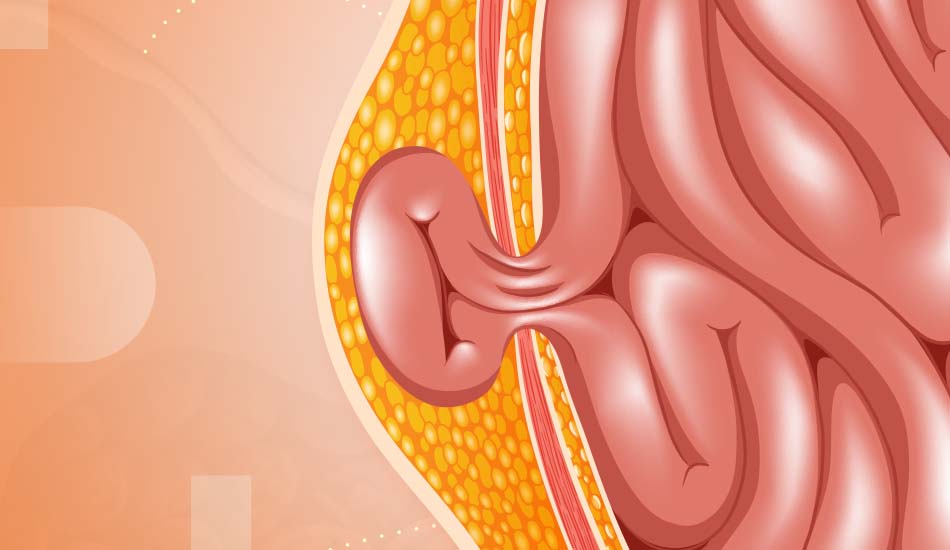
A hernia occurs when an internal organ or fatty tissue pushes through a weak area in the surrounding muscle or connective tissue.
Hernia repair surgery strengthens the weakened area, usually by closing the defect with stitches, surgical mesh, or both.
Modern surgical techniques include:
- Open hernia repair
- Laparoscopic (keyhole) hernia repair
- Mesh repair
- Minimally invasive procedures
The most suitable approach depends on the hernia type, size, location, previous surgeries, and your overall health.
If you are looking for Laparoscopic Hernia Surgery in Vikaspuri, a consultation with a general surgeon can help determine whether minimally invasive repair is appropriate for your condition.
Types of Hernia Repair
Open Hernia Repair
The surgeon makes a single incision over the hernia, returns the protruding tissue to its proper position, and repairs the weakened muscle, often using mesh for additional support.
Laparoscopic Hernia Repair
Laparoscopic hernia repair is a minimally invasive approach that uses several small incisions and a tiny camera to access and repair the hernia.
Potential benefits may include:
- Smaller incisions
- Smaller scars
- Less postoperative discomfort in many patients
- Faster recovery in selected cases
- Shorter hospital stay in appropriate cases
- Earlier return to some daily activities
However, laparoscopic surgery is not suitable for every patient. The surgical approach should be selected after evaluating the type and location of the hernia and the patient's overall health.
What to Expect After Hernia Surgery
Recovery varies depending on the type of surgery performed, the size and location of the hernia, the surgical technique used, and the patient's overall health.
First 24 Hours
You may experience:
- Mild pain around the incision
- Swelling or bruising
- Fatigue
- Temporary difficulty moving comfortably
Most patients are encouraged to walk gently soon after surgery, according to their surgeon's instructions. Early movement can help maintain circulation and reduce stiffness.
Hernia Surgery Recovery Timeline
First Week
During the first week:
- Rest adequately.
- Walk several times a day as tolerated.
- Take prescribed medications as directed.
- Keep the surgical wound clean and dry according to your surgeon's instructions.
- Avoid heavy lifting.
Weeks 2–4
Many patients gradually resume:
- Office work
- Driving after medical clearance
- Light household activities
- Gentle stretching
Patients who perform physically demanding work may need additional recovery time.
Weeks 4–8
Many patients can gradually return to:
- Moderate exercise
- Cycling
- Light gym activities
- Routine daily activities
Heavy lifting should only be resumed after your surgeon confirms that your healing is adequate.
Full Recovery
Many patients recover within approximately 4–8 weeks, although recovery can vary. Complex, recurrent, or larger hernias may require additional healing time.
Recovery Tips and Tricks After Hernia Surgery
Following these habits can support a smoother recovery:
Walk Every Day
Gentle walking promotes circulation, reduces stiffness, and supports gradual recovery.
Eat a High-Fiber Diet
Include:
- Fruits
- Vegetables
- Whole grains
- Legumes
A fiber-rich diet can help prevent constipation and reduce straining during bowel movements.
Stay Hydrated
Drink adequate water unless your doctor has advised you to restrict fluids.
Support the Surgical Area
When coughing or sneezing, gently support the incision with a pillow or your hand if recommended by your surgeon.
Avoid Smoking
Smoking can delay wound healing and may increase the risk of postoperative complications.
Take Medicines as Prescribed
Take prescribed medications according to your doctor's instructions and avoid self-medicating.
Attend Follow-Up Visits
Regular follow-up appointments help your surgical team monitor healing and identify potential problems early.
Foods That Support Healing After Hernia Surgery
Good nutrition plays an important role during recovery.
Protein-Rich Foods
- Eggs
- Fish
- Chicken
- Lentils
- Paneer
Vitamin C-Rich Foods
- Oranges
- Guava
- Kiwi
- Bell peppers
Zinc-Rich Foods
- Pumpkin seeds
- Nuts
- Beans
Fiber-Rich Foods
- Oats
- Brown rice
- Fresh fruits
- Green leafy vegetables
A balanced diet can support wound healing and help prevent constipation. Patients with specific dietary restrictions should follow their doctor's or dietitian's advice.
Activities to Avoid After Hernia Surgery
Until your surgeon advises otherwise, avoid:
- Heavy lifting
- Strenuous gym workouts
- Running and high-impact activities during the early recovery period
- High-impact sports
- Smoking
- Straining during bowel movements
Gradually increasing activity is generally safer than returning to strenuous activity too quickly. Your surgeon can provide specific restrictions based on your procedure and recovery.
Warning Signs to Watch For After Hernia Surgery
Contact your surgeon promptly if you develop:
- Fever
- Increasing redness around the wound
- Excessive swelling
- Persistent vomiting
- Severe or worsening abdominal pain
- Heavy bleeding
- Pus-like discharge
- Difficulty passing urine
Seek urgent medical attention for severe or rapidly worsening symptoms. Prompt evaluation can help identify and manage complications early.
Preventing Hernia Recurrence
Although surgery repairs the existing hernia, maintaining healthy habits may help reduce factors that place excessive pressure on the abdominal wall.
Maintain a Healthy Weight
Excess body weight can increase pressure on the abdominal wall. Maintaining a healthy weight may support long-term abdominal health.
Lift Correctly
Follow your surgeon's instructions regarding lifting. When lifting is permitted, use proper technique and avoid sudden excessive loads.
Control Chronic Cough
Persistent coughing can repeatedly increase abdominal pressure. Speak with your doctor if you have a chronic cough.
Prevent Constipation
Eat a fiber-rich diet and stay adequately hydrated to help reduce constipation and straining during bowel movements.
Exercise Regularly
Once cleared by your surgeon, gradually return to physical activity. Appropriate exercise can support overall health and physical conditioning.
Why Choose Shri Ram Hospital for Hernia Surgery?
Patients considering hernia repair at Shri Ram Hospital can benefit from:
- Experienced general surgery professionals
- Laparoscopic surgical options where clinically appropriate
- Modern operation theatre facilities
- Personalized treatment planning
- Comprehensive postoperative care
- Multispeciality medical support when required
The choice between open and laparoscopic hernia repair depends on factors such as the type and location of the hernia, previous surgeries, overall health, and the surgeon's assessment.
Patients looking for Laparoscopic Hernia Surgery in Vikaspuri can consult the surgical team for an individualized evaluation and treatment plan.
Quick Answer: How Long Does It Take to Recover From Hernia Surgery?
Most patients recover from hernia repair surgery within approximately 4–8 weeks, although the exact recovery time varies depending on the type of hernia, surgical technique, overall health, and individual healing. Laparoscopic repair may allow some patients to return to daily activities sooner, but heavy lifting and strenuous exercise should be avoided until the surgeon confirms adequate healing.
Frequently Asked Questions (FAQs)
How long does hernia surgery recovery take?
Many patients recover within approximately 4–8 weeks. The actual recovery period depends on the type of hernia, surgical technique, size of the repair, overall health, and individual healing.
When can I return to work after hernia surgery?
Many patients with desk-based jobs may return to work within 1–2 weeks, depending on their recovery. Physically demanding jobs may require 4–6 weeks or longer. Your surgeon should confirm when you can safely resume work.
Is walking good after hernia surgery?
Yes. Gentle walking is commonly encouraged soon after surgery unless your surgeon advises otherwise. Gradual movement can help maintain circulation and reduce stiffness.
When can I lift heavy objects after hernia surgery?
Heavy lifting should generally be avoided during the initial healing period. The appropriate time to resume heavy lifting depends on your operation and recovery, so follow your surgeon's specific instructions.
Can a hernia come back after surgery?
Yes. Although modern repair techniques can reduce the risk of recurrence, a hernia can recur after surgery. Following postoperative instructions and addressing factors such as chronic coughing, constipation, and excessive strain may support recovery.
Can I exercise after hernia surgery?
Light walking is generally encouraged early in recovery, while strenuous exercise and heavy lifting should wait until your surgeon provides medical clearance. Activity should be increased gradually.
When should I contact my doctor after hernia surgery?
Seek medical advice if you develop fever, worsening pain, increasing redness or swelling around the wound, heavy bleeding, pus-like discharge, persistent vomiting, or difficulty passing urine.
What is laparoscopic hernia surgery?
Laparoscopic hernia surgery is a minimally invasive technique in which surgeons use small incisions, a camera, and specialized instruments to repair the hernia. Whether it is appropriate depends on the individual patient's condition and surgical assessment.
Book an Appointment: Book an Appointment at Shri Ram Hospital
This article is for informational purposes only and does not replace professional medical advice. Recovery time, activity restrictions, and treatment options vary from patient to patient. Consult a qualified surgeon for an individualized diagnosis and treatment plan.