
In the beginning
Kidneys play a vital role in filtering waste, balancing fluids, and maintaining overall body health. When kidneys stop functioning properly, harmful toxins build up in the body, leading to serious health complications. Understanding when you need dialysis and identifying the early signs of kidney failure can help prevent life-threatening conditions. In Delhi, advanced dialysis services provide safe and effective treatment for patients suffering from chronic kidney disease. Early diagnosis and timely medical care can significantly improve quality of life and prevent further kidney damage.
Establishing An Understanding Of Dialysis :
Dialysis is a medical treatment that performs the function of kidneys when they are unable to filter waste and excess fluids. It helps maintain electrolyte balance and removes toxins from the blood. Dialysis is commonly recommended for patients with chronic kidney disease, acute kidney injury, or end-stage renal failure. There are two main types of dialysis: hemodialysis and peritoneal dialysis, both designed to support kidney function.
Just Why Dialysis Needed ?
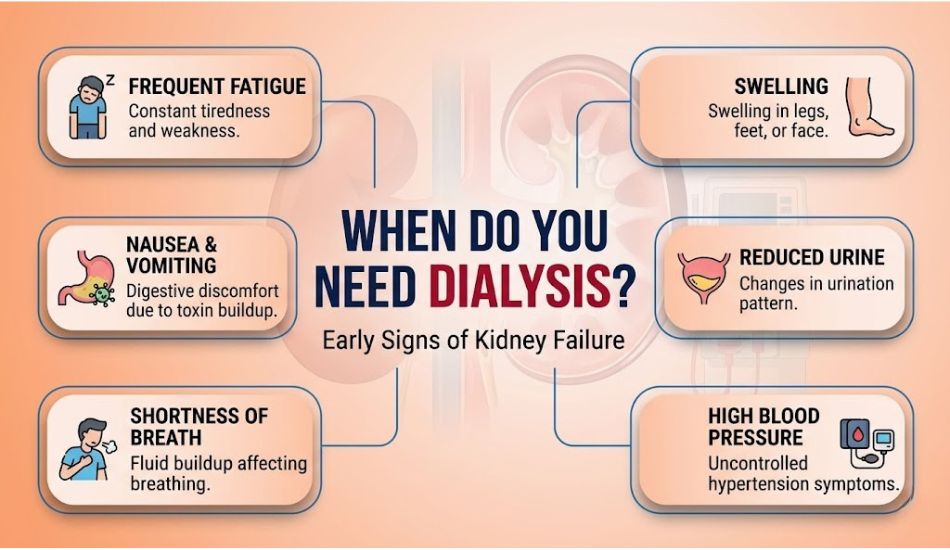
Dialysis becomes necessary when kidney function drops significantly and the body can no longer remove waste effectively. Early signs of kidney failure include swelling in legs, fatigue, nausea, decreased urine output, and high blood pressure. Ignoring these symptoms can lead to severe complications. Doctors recommend dialysis when blood tests show high creatinine levels, fluid overload, or electrolyte imbalance.
Table of Contents
- Understanding Dialysis
- Why Dialysis is Needed
- Patient Preparation
- Dialysis Procedure
- Advanced Dialysis Technology
- Recovery and Monitoring
- Self Care Tips
- Living Healthy with Dialysis
Patient Preparation :
Before starting dialysis, doctors perform blood tests, kidney function tests, and imaging scans. Patients are educated about diet restrictions, fluid intake, and medication. A vascular access may be created for hemodialysis to ensure smooth blood flow during treatment. Proper preparation ensures safe and effective dialysis sessions.
The day of the magical operation :
On the day of dialysis, patients are comfortably seated or lie down while the dialysis machine filters their blood. The process is painless and typically lasts 3 to 4 hours. Medical staff monitor blood pressure and vital signs throughout the procedure. Patients can relax, read, or rest during the session.
The Superhero Tools :
Modern dialysis centers use advanced machines that precisely remove toxins and excess fluids. These machines ensure safety, accuracy, and comfort. Digital monitoring systems track vital signs and prevent complications. High-quality filtration technology improves treatment efficiency and patient outcomes.
Recovery Time :
Most patients can resume normal activities after dialysis, although some may feel mild fatigue. Doctors recommend rest, proper hydration, and balanced diet. Regular dialysis sessions help maintain stable health and reduce symptoms of kidney failure.
Taking Care of Yourself :
Patients undergoing dialysis should follow dietary restrictions, limit fluid intake, and take prescribed medications. Regular monitoring of blood pressure and blood sugar is important. Maintaining a healthy lifestyle and attending scheduled dialysis sessions ensures better health outcomes.
A Guide to Feeling Better :
Recognizing early signs of kidney failure and starting dialysis on time can significantly improve quality of life. With advanced dialysis services in Delhi, patients receive safe, comfortable, and effective treatment. Consulting a kidney specialist at the right time helps manage kidney disease and prevents complications.
FAQs
1. What are the early signs of kidney failure?
Common signs include swelling in legs, fatigue, nausea, reduced urine output, and high blood pressure.
2. When do doctors recommend dialysis?
Dialysis is recommended when kidney function drops significantly and waste products accumulate in the body.
3. Is dialysis painful?
Dialysis is generally painless, and patients remain comfortable during the procedure.
4. How long does a dialysis session take?
Most hemodialysis sessions last about 3 to 4 hours, depending on patient condition.
5. Can kidney function improve after dialysis?
Dialysis supports kidney function, but recovery depends on the underlying cause of kidney failure.