

In the Beginning
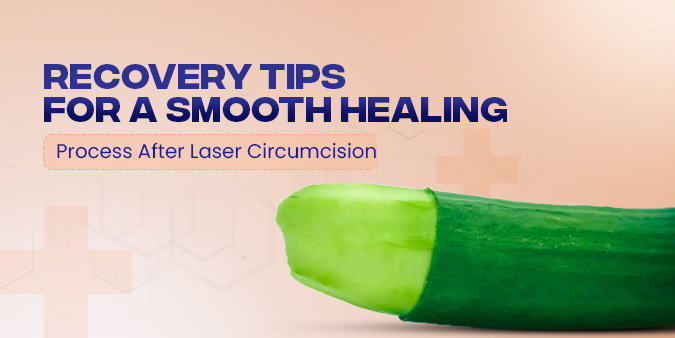
Laser circumcision is a modern, minimally invasive procedure commonly performed for conditions such as phimosis, recurrent foreskin infections, balanitis, and paraphimosis. Compared to conventional circumcision, laser-assisted procedures generally involve less bleeding, reduced tissue trauma, and a quicker recovery.
Although the procedure itself is straightforward, successful healing depends greatly on proper post-operative care. Understanding the recovery process and following your surgeon's advice can help reduce discomfort, prevent complications, and support faster healing.
Patients seeking Laser circumcision in Delhi should be aware of what to expect during recovery and the simple steps that can promote a smooth healing process.
Key Takeaway
Recovery after laser circumcision is usually faster than traditional circumcision. Most patients resume light daily activities within a few days, while complete healing generally occurs within 3–6 weeks. Following proper hygiene, medication, and activity restrictions is essential for the best results.
Table of Contents
1. What to Expect After Laser Circumcision
2. Recovery Timeline
3. Top Recovery Tips
4. Signs of Normal Healing
5. Warning Signs That Need Medical Attention
6. Why Follow-Up Visits Matter
7. Benefits of Laser Circumcision Recovery
8. When to Consult a Specialist
9. Frequently Asked Questions
What to Expect After Laser Circumcision
Immediately after the procedure, it is normal to experience mild temporary symptoms as the surgical area begins to heal.
Common postoperative symptoms include:
- Mild swelling.
- Slight redness.
- Minor discomfort.
- Temporary sensitivity.
- Small amounts of spotting.
These symptoms usually improve gradually over the first few days and are considered part of the normal healing process.
Laser Circumcision Recovery Timeline
Days 1–3
The first few days are focused on initial healing.
- Mild swelling and tenderness are common.
- Pain is usually controlled with prescribed medication.
- Rest is strongly recommended.
- Avoid strenuous physical activity.
Days 4–7
Most patients begin feeling noticeably better.
- Swelling gradually decreases.
- Discomfort improves.
- The wound begins healing well.
- Light daily activities can usually be resumed.
- Many patients return to desk-based work.
Weeks 2–3
Healing continues steadily during this period.
- Sensitivity continues to decrease.
- Dissolvable stitches begin disappearing.
- Most normal daily routines resume.
Weeks 4–6
For most adults:
- Healing is nearly complete.
- Regular physical activities can resume.
- Sexual activity may be restarted after medical clearance.
| Recovery Stage | Expected Progress |
|---|---|
| Days 1–3 | Mild swelling, rest, and pain control. |
| Days 4–7 | Improved comfort and return to light activities. |
| Weeks 2–3 | Steady healing and reduced sensitivity. |
| Weeks 4–6 | Complete healing for most patients. |
Top Recovery Tips After Laser Circumcision
1. Get Adequate Rest
The first few days are extremely important for healing.
Avoid:
- Heavy lifting.
- Running.
- Gym workouts.
- Cycling.
- Strenuous physical activities.
Proper rest helps reduce swelling and promotes faster recovery.
2. Maintain Proper Hygiene
Keeping the surgical area clean helps lower the risk of infection.
Best practices include:
- Wash gently with mild soap and water.
- Pat the area dry carefully.
- Avoid rubbing or scrubbing.
- Follow your surgeon's dressing instructions.
3. Take Medications as Prescribed
Your doctor may prescribe:
- Pain relievers.
- Anti-inflammatory medications.
- Antibiotics when necessary.
Complete the prescribed course unless instructed otherwise by your healthcare provider.
4. Wear Comfortable Clothing
Loose-fitting cotton clothing helps reduce irritation during recovery.
Benefits include:
- Better airflow.
- Reduced friction.
- Improved comfort.
Supportive but comfortable underwear may also improve comfort during the early recovery period.
5. Stay Hydrated
Drinking enough water supports:
- Tissue repair.
- Healthy circulation.
- Overall recovery.
6. Eat a Healing-Friendly Diet
A nutritious diet supports wound healing.
Recommended foods include:
- Lean proteins.
- Fresh fruits.
- Vegetables.
- Whole grains.
- Vitamin-rich foods.
7. Avoid Swimming Until Fully Healed
Until complete healing occurs, avoid:
- Swimming pools.
- Hot tubs.
- Lakes.
- Ponds.
These environments may increase the risk of infection.
8. Avoid Sexual Activity During Recovery
Adult patients should avoid:
- Sexual intercourse.
- Masturbation.
- Activities that place tension on healing tissues.
Most surgeons recommend waiting approximately 4–6 weeks or until healing is complete.
Signs of Normal Healing
Your recovery is generally progressing well if you notice:
- Gradually decreasing swelling.
- Less discomfort each day.
- No unusual discharge.
- Improved wound appearance.
- Normal urination.
These signs indicate healthy tissue repair.
Warning Signs That Need Medical Attention
Contact your doctor immediately if you experience:
- Persistent bleeding.
- Fever.
- Pus or foul-smelling discharge.
- Increasing redness.
- Severe swelling.
- Difficulty passing urine.
- Pain that continues to worsen.
Early treatment helps prevent complications and supports better recovery.
Why Follow-Up Visits Matter
Regular follow-up appointments allow your surgeon to:
- Monitor healing progress.
- Identify complications early.
- Answer recovery-related questions.
- Ensure optimal long-term results.
Attending scheduled follow-up visits is an important part of postoperative care.
Benefits of Laser Circumcision Recovery
| Laser Circumcision | Recovery Advantage |
|---|---|
| Less Bleeding | Improved comfort after surgery. |
| Minimal Tissue Trauma | Supports faster healing. |
| Reduced Pain | Lower postoperative discomfort. |
| Short Recovery | Earlier return to normal activities. |
| Greater Precision | Improved healing outcomes. |
These advantages have made laser circumcision a preferred treatment option for many suitable patients.
When to Consult a Specialist
Arrange a medical review if you experience:
- Persistent swelling beyond the expected recovery period.
- Recurrent infections.
- Difficulty urinating.
- Delayed wound healing.
- Persistent or worsening pain.
Patients considering Laser circumcision in Delhi should always follow their surgeon's postoperative instructions carefully to achieve the best possible recovery.
A Smooth Recovery Starts with Proper Care
Laser circumcision offers several advantages over conventional circumcision, including reduced bleeding, less postoperative discomfort, and faster healing. While recovery is generally straightforward, proper hygiene, adequate rest, healthy nutrition, and regular follow-up care play a crucial role in ensuring a safe and successful outcome.
FAQs
1. How long does laser circumcision take to heal?
Most patients resume routine activities within 5–7 days, while complete healing generally occurs within 3–6 weeks.
2. Is swelling normal after laser circumcision?
Yes. Mild swelling and redness are common during the first few days and usually improve gradually as healing progresses.
3. When can I return to work after laser circumcision?
Many patients return to office-based work within a few days to one week, depending on their comfort level and recovery.
4. Can I exercise after laser circumcision?
Light walking is usually encouraged, but strenuous exercise should be avoided until your surgeon confirms that healing is sufficient.
5. What foods help recovery after circumcision?
A balanced diet rich in protein, fruits, vegetables, whole grains, and adequate hydration supports tissue repair and promotes healthy recovery.