In the beginning
Kidney stones are among the most common urological conditions affecting people of all ages. These hard mineral deposits form inside the kidneys and can cause severe pain, difficulty urinating, blood in urine, recurrent infections, and other complications. While small stones may pass naturally, larger stones often require medical intervention or surgery.
One of the most common questions patients ask is about the Kidney Stone Removal Surgery Cost in Delhi. The cost of kidney stone treatment can vary depending on several factors, including the size and location of the stone, the type of procedure required, hospital facilities, surgeon expertise, and the patient's overall health condition.
Delhi is home to some of India's leading urology centers and multispeciality hospitals, offering advanced kidney stone treatments such as Laser Kidney Stone Surgery, RIRS, PCNL, URSL, and minimally invasive procedures. Understanding the factors that influence treatment costs can help patients make informed healthcare decisions and choose the most suitable treatment option.
Establishing An Understanding Of Kidney Stones :
Kidney stones are hard deposits made from minerals and salts that develop inside the kidneys. These stones can vary significantly in size, ranging from tiny crystals to large stones that block the urinary tract.
The most common types of kidney stones include:
- Calcium Stones – The most common type of kidney stone.
- Uric Acid Stones – Often linked to dehydration and dietary habits.
- Struvite Stones – Usually associated with urinary tract infections.
- Cystine Stones – Rare stones caused by inherited disorders.
Early diagnosis and treatment are essential to prevent kidney damage and severe urinary complications.
Just Why Treatment Cost Understanding Important ?
Kidney stone treatment is highly individualized. Two patients with kidney stones may require completely different treatment approaches. While one patient may need medication and hydration therapy, another may require advanced laser surgery or minimally invasive stone removal.
Understanding the factors affecting kidney stone surgery costs helps patients:
- Plan their treatment budget.
- Choose the most appropriate procedure.
- Compare treatment options.
- Understand insurance and cashless coverage.
- Avoid treatment delays.
Table of Contents
1. Understanding Kidney Stones
2. Early Signs of Kidney Stones
3. Kidney Stone Symptoms in Men
4. Kidney Stone Symptoms in Women
5. Warning Signs That Require Immediate Care
6. Common Causes of Kidney Stones
7. Risk Factors for Kidney Stones
8. Kidney Stone Diagnosis
9. Kidney Stone Treatment Options
10. Can Kidney Stones Pass Naturally?
11. Kidney Stone Removal Surgery Cost Factors
12. Laser Kidney Stone Treatment
13. Types of Kidney Stone Surgery
14. Recovery After Kidney Stone Surgery
15. Life After Kidney Stone Removal
16. Foods to Eat with Kidney Stones
17. Foods to Avoid with Kidney Stones
18. Best Drinks for Kidney Stone Prevention
19. Kidney Stones vs Gallstones
20. Kidney Stones vs UTI
21. Kidney Stones vs Bladder Stones
22. Prevention Tips
23. Frequently Asked Questions
Early Signs of Kidney Stones
Kidney stones may not cause symptoms until they begin moving through the urinary tract. Common early signs include:
- Sharp pain in the lower back or side.
- Frequent urge to urinate.
- Burning sensation while urinating.
- Cloudy urine.
- Nausea and vomiting.
- Mild blood in urine.
- Abdominal discomfort.
Kidney Stone Symptoms in Men
- Severe flank pain.
- Pain radiating to the groin.
- Blood in urine.
- Difficulty passing urine.
- Frequent urination.
- Nausea and sweating.
Kidney Stone Symptoms in Women
- Lower abdominal pain.
- Pelvic discomfort.
- Frequent urination.
- Pain during urination.
- Nausea and vomiting.
- Urinary tract infections.
Warning Signs of Kidney Stones
| Warning Sign | Why It Matters |
|---|---|
| Severe Pain | May indicate stone movement or blockage. |
| Blood in Urine | Suggests urinary tract irritation. |
| Fever and Chills | Possible infection requiring urgent treatment. |
| Difficulty Urinating | Could indicate urinary obstruction. |
| Persistent Vomiting | May lead to dehydration. |
What Causes Kidney Stones?
Several factors contribute to kidney stone formation:
- Low water intake.
- High salt consumption.
- Excess animal protein intake.
- Obesity.
- Family history.
- Certain medications.
- Metabolic disorders.
- Recurrent urinary infections.
Risk Factors for Kidney Stones
| Risk Factor | Impact |
|---|---|
| Dehydration | Most common cause of stone formation. |
| Obesity | Increases stone risk significantly. |
| Diabetes | Associated with higher stone formation. |
| Family History | Genetic predisposition. |
| High Sodium Diet | Raises urinary calcium levels. |
Patient Preparation :
Before recommending surgery, doctors may perform:
- Ultrasound.
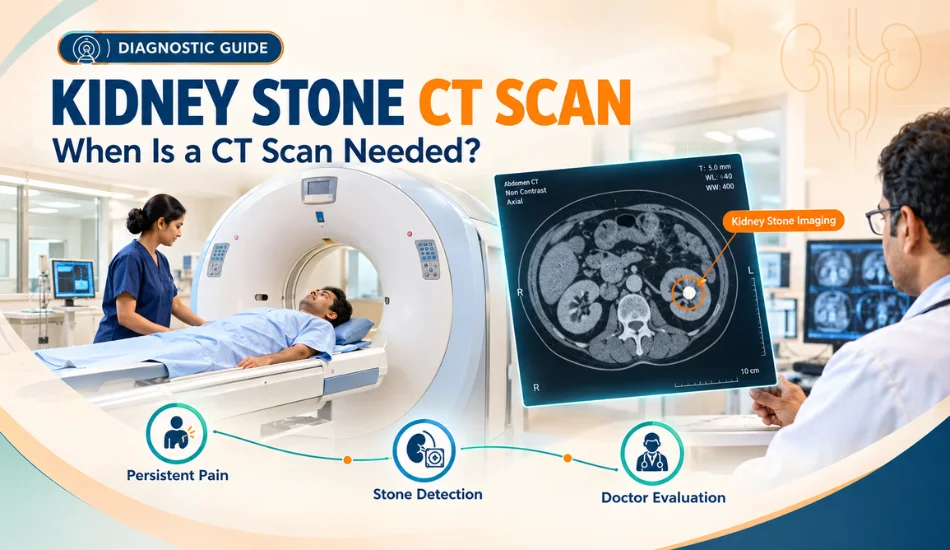
- CT Scan.
- X-Ray KUB.
- Urine Analysis.
- Blood Tests.
- Kidney Function Tests.
These investigations help determine the stone size, location, composition, and the most appropriate treatment method.
Kidney Stone Treatment Options
| Treatment | Suitable For |
|---|---|
| Hydration Therapy | Small Stones |
| Medication | Mild Cases |
| ESWL | Medium-sized Stones |
| URSL | Ureteric Stones |
| RIRS | Kidney Stones |
| PCNL | Large Stones |
| Laser Surgery | Most Stone Types |
Can Kidney Stones Pass Naturally?
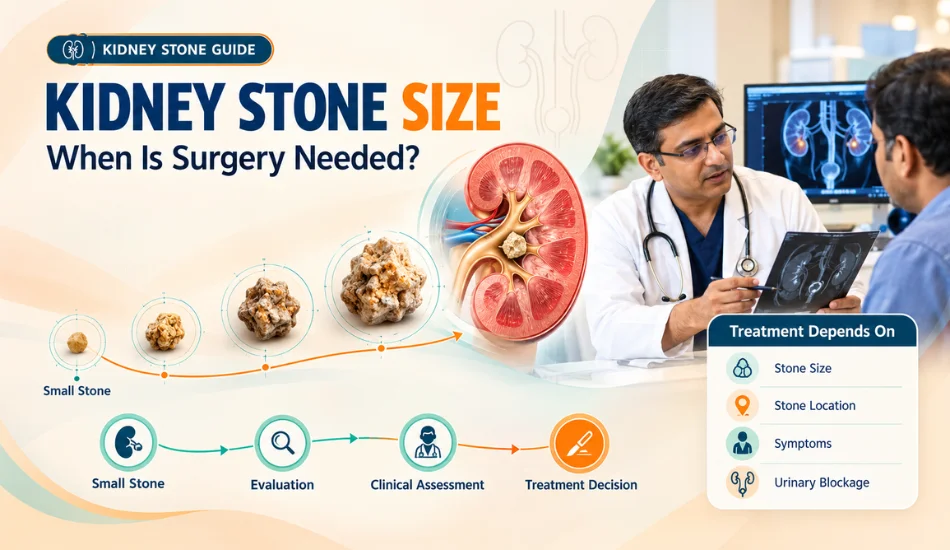
Small kidney stones under 5 mm often pass naturally with adequate hydration and medications. Larger stones generally require medical intervention because they can cause severe pain, urinary blockage, infection, and kidney damage.
Kidney Stone Removal Surgery Cost in Delhi: Factors That Affect Pricing
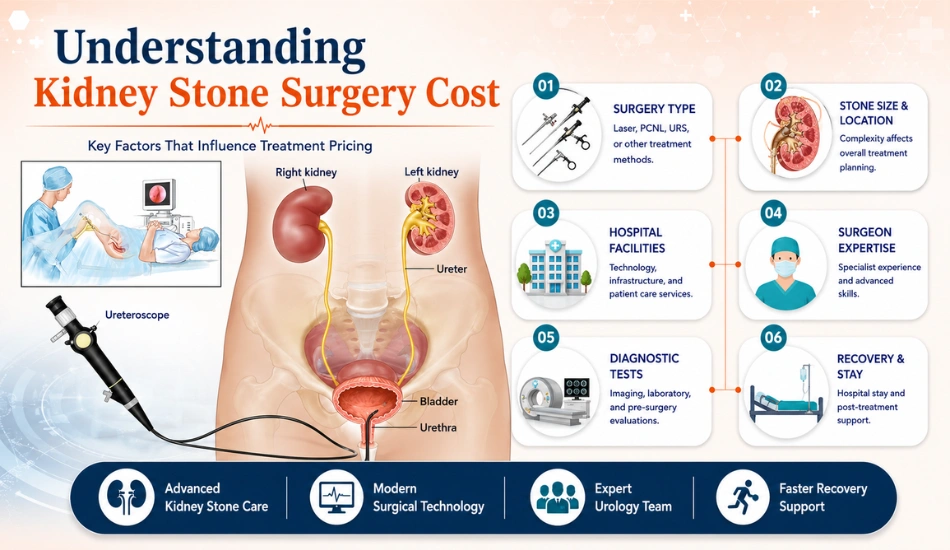
The overall cost of kidney stone removal surgery varies from patient to patient. Several important factors influence the final treatment expense.
| Cost Factor | Impact on Pricing |
|---|---|
| Stone Size | Larger stones often require more advanced procedures. |
| Stone Location | Complex locations may increase treatment difficulty. |
| Type of Surgery | Laser, RIRS, PCNL, and URSL have different costs. |
| Hospital Infrastructure | Advanced facilities may influence treatment pricing. |
| Surgeon's Experience | Experienced urologists often handle complex cases. |
| Diagnostic Tests | Pre-surgery investigations affect overall cost. |
| Hospital Stay | Longer admission periods increase expenses. |
| Insurance Coverage | Cashless policies may reduce out-of-pocket expenses. |
| Complications | Additional treatment requirements may affect costs. |
Laser Kidney Stone Treatment
Laser kidney stone treatment has become one of the most preferred modern procedures due to its precision and effectiveness.
Advantages include:
- Minimally invasive approach.
- Minimal bleeding.
- Less pain.
- Short hospital stay.
- Faster recovery.
- High success rates.
The day of the magical operation :
Depending on the stone characteristics, surgeons may recommend:
- Retrograde Intrarenal Surgery (RIRS).
- Percutaneous Nephrolithotomy (PCNL).
- Ureteroscopy (URSL).
- Laser Lithotripsy.
- Shock Wave Lithotripsy (ESWL).
The selected procedure depends on the patient's condition and diagnostic findings.
The Superhero Tools :
Modern kidney stone treatment centers use:
- Holmium Laser Technology.
- Flexible Ureteroscopes.
- Digital Imaging Systems.
- Advanced Endoscopic Equipment.
- Minimally Invasive Surgical Instruments.
These technologies improve treatment precision while reducing recovery time.
Recovery After Kidney Stone Surgery
| Recovery Phase | Expected Progress |
|---|---|
| First 24 Hours | Observation and hydration. |
| Week 1 | Light activities resumed. |
| Week 2 | Most patients return to work. |
| Week 4 | Full recovery in many cases. |
Foods to Eat with Kidney Stones
- Fresh fruits.
- Citrus fruits.
- Green vegetables.
- Whole grains.
- Low-fat dairy products.
- Fiber-rich foods.
Foods to Avoid with Kidney Stones
- Excess salt.
- Soft drinks.
- Processed foods.
- High-oxalate foods in excess.
- Excess red meat.
Best Drinks for Kidney Stone Prevention
- Water.
- Lemon water.
- Coconut water.
- Citrate-rich beverages.
- Fresh fruit juices.
Kidney Stones vs Gallstones
| Kidney Stones | Gallstones |
|---|---|
| Develop in kidneys. | Develop in gallbladder. |
| Affect urinary system. | Affect digestive system. |
| Cause flank pain. | Cause upper abdominal pain. |
Kidney Stones vs UTI
Both conditions can cause painful urination, but kidney stones typically cause severe flank pain while UTIs mainly cause burning urination and infection-related symptoms.
Kidney Stones vs Bladder Stones
Kidney stones originate in the kidneys, whereas bladder stones develop inside the urinary bladder due to incomplete emptying or urinary obstruction.
Taking Care of Yourself :
Preventing future kidney stones requires lifestyle modifications:
- Drink 2–3 liters of water daily.
- Reduce salt intake.
- Maintain healthy body weight.
- Exercise regularly.
- Control diabetes.
- Attend regular health screenings.
A Guide to Feeling Better :
Kidney Stone Removal Surgery Cost in Delhi depends on multiple factors, including stone size, location, procedure type, hospital facilities, and surgeon expertise. While cost is an important consideration, choosing experienced urologists and advanced treatment facilities often results in better outcomes and faster recovery. Modern treatments such as Laser Kidney Stone Surgery, RIRS, URSL, and PCNL offer highly effective stone removal with minimal discomfort, helping patients return to their normal lives quickly and safely.
FAQs
1. What factors affect kidney stone surgery cost in Delhi?
Stone size, location, procedure type, hospital facilities, surgeon expertise, and hospital stay are the major factors affecting treatment costs.
2. Is laser kidney stone surgery expensive?
Laser surgery may cost more than conventional treatments but offers benefits such as faster recovery, minimal pain, and high success rates.
3. Can kidney stones pass naturally?
Small stones may pass naturally, but larger stones often require medical or surgical treatment.
4. Which surgery is best for kidney stones?
The best procedure depends on stone size and location. RIRS, PCNL, URSL, and laser lithotripsy are commonly recommended options.
5. Can kidney stones return after surgery?
Yes. Without proper dietary changes and hydration, new kidney stones may develop in the future.