

In the Beginning
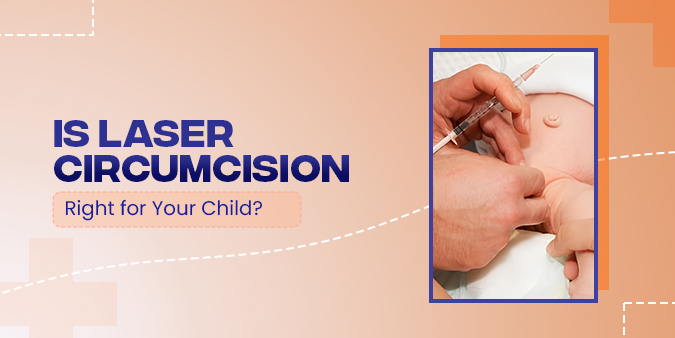
For many parents, deciding whether their child should undergo circumcision can be a difficult decision. Circumcision may be recommended for medical, cultural, or religious reasons, and modern surgical techniques have made the procedure safer and more comfortable than ever before.
Today, laser circumcision has become a preferred option because it is minimally invasive, offers quicker healing, causes less bleeding, and provides a smoother recovery compared to conventional methods. Understanding the reasons for circumcision, the procedure itself, and what to expect during recovery can help parents make informed decisions.
Parents seeking Laser circumcision for child in Delhi should consult an experienced pediatric surgeon or urologist to determine whether the procedure is medically appropriate.
Key Takeaway
Laser circumcision is a modern minimally invasive procedure that removes the foreskin using advanced surgical technology. It is commonly recommended for children with conditions such as phimosis, recurrent infections, or paraphimosis and is associated with less bleeding, faster healing, and reduced postoperative discomfort.
Table of Contents
1. What Is Laser Circumcision?
2. When Is Circumcision Recommended for Children?
3. Benefits of Laser Circumcision
4. Is Laser Circumcision Safe for Children?
5. Possible Risks and Complications
6. Step-by-Step Procedure
7. Recovery After Surgery
8. How Parents Can Support Recovery
9. When Should Parents Contact a Doctor?
10. Frequently Asked Questions
What Is Laser Circumcision?
Laser circumcision is a modern surgical procedure used to remove the foreskin covering the tip of the penis. Advanced laser-assisted surgical technology allows surgeons to perform the procedure with greater precision while minimizing tissue trauma.
The procedure helps to:
- Remove excess foreskin accurately.
- Reduce tissue injury.
- Minimize bleeding.
- Support faster healing.
- Improve postoperative comfort.
Most procedures are performed as daycare surgery, allowing children to return home on the same day.
When Is Circumcision Recommended for Children?
Doctors may recommend circumcision when medical conditions affect the normal function or health of the foreskin.
1. Phimosis
Phimosis occurs when the foreskin cannot be retracted over the head of the penis.
Common symptoms include:
- Difficulty passing urine.
- Ballooning of the foreskin during urination.
- Repeated foreskin infections.
- Pain during urination.
2. Recurrent Infections
Repeated infections may increase the need for circumcision.
These include:
- Balanitis (infection of the glans penis).
- Foreskin infections.
- Recurrent urinary tract infections (UTIs).
3. Paraphimosis
Paraphimosis is a medical emergency in which the foreskin becomes trapped behind the head of the penis and cannot return to its normal position.
Prompt medical treatment is essential to prevent complications.
4. Hygiene Difficulties
In some children, a tight foreskin makes proper cleaning difficult, increasing the risk of irritation and infection.
Benefits of Laser Circumcision for Children
| Benefit | Advantage |
|---|---|
| Less Bleeding | Laser technology seals small blood vessels during surgery. |
| Faster Recovery | Children often return to normal activities sooner. |
| Reduced Pain | Minimal tissue trauma improves postoperative comfort. |
| Lower Infection Risk | Precise surgical technique may reduce infection risk. |
| Short Procedure | Most procedures are completed within 20–30 minutes. |
Is Laser Circumcision Safe for Children?
Yes. When performed by an experienced pediatric surgeon or urologist, laser circumcision is generally considered a safe and effective procedure.
Safety depends on several factors, including:
- The child's overall health.
- Accurate medical evaluation.
- Experienced surgical team.
- Proper anesthesia.
- Appropriate postoperative care.
Parents considering Pediatric laser circumcision Delhi should choose a hospital with experienced pediatric specialists and modern surgical facilities.
Possible Risks and Complications
Although complications are uncommon, every surgical procedure carries some risk.
| Possible Risk | Description |
|---|---|
| Mild Swelling | Usually resolves within a few days. |
| Temporary Discomfort | Generally controlled with medications. |
| Minor Bleeding | Usually minimal after laser surgery. |
| Infection | Rare with proper wound care. |
| Delayed Healing | Uncommon and typically manageable. |
Serious complications are rare when surgery is performed by qualified specialists.
Step-by-Step Procedure
Before Surgery
- Medical examination.
- Review of symptoms.
- Pre-anesthesia assessment.
- Treatment planning.
During Surgery
- Appropriate anesthesia is administered.
- The foreskin is carefully removed.
- The surgical area is secured.
- Bleeding is minimized using advanced laser-assisted techniques.
After Surgery
- Observation for a short period.
- Same-day discharge in most cases.
- Parents receive home-care instructions.
- Follow-up appointments are scheduled if required.
Recovery After Laser Circumcision
First 24–48 Hours
- Mild swelling is common.
- Minor discomfort may occur.
- Pain medication is provided if required.
First Week
- Healing progresses steadily.
- Most children gradually resume routine activities.
- Proper hygiene remains important.
2–4 Weeks
- Healing is usually complete.
- Follow-up examination may be performed.
- Normal activities generally resume fully.
| Recovery Stage | Expected Progress |
|---|---|
| 24–48 Hours | Mild swelling and manageable discomfort. |
| First Week | Steady healing and gradual return to routine. |
| 2–4 Weeks | Complete healing for most children. |
How Parents Can Support Recovery
Parents play an important role in ensuring a smooth recovery.
- Follow prescribed medications.
- Keep the surgical area clean and dry.
- Avoid rough play and strenuous activities temporarily.
- Attend follow-up appointments.
- Monitor for unusual swelling or fever.
When Should Parents Contact a Doctor?
Seek immediate medical advice if your child experiences:
- Persistent bleeding.
- Fever.
- Severe swelling.
- Difficulty passing urine.
- Pus or signs of infection.
- Increasing pain that does not improve.
Prompt medical attention helps ensure safe recovery and prevents complications.
Modern Circumcision Offers Safe and Comfortable Care
Laser circumcision has become a preferred option for children requiring circumcision because it offers excellent precision, less bleeding, quicker recovery, and improved postoperative comfort. When performed by experienced pediatric surgeons, it provides a safe and effective solution for medically indicated foreskin conditions while allowing children to return to normal activities within a short period.
FAQs
1. Is laser circumcision painful for children?
The procedure is performed under anesthesia, and postoperative discomfort is usually mild and manageable with prescribed medications.
2. What is the best age for circumcision?
The ideal age depends on the child's medical condition and individual circumstances. A pediatric surgeon can recommend the most appropriate timing.
3. How long does recovery take?
Most children recover within one to four weeks, although healing varies between individuals.
4. Is laser circumcision better than traditional circumcision?
Laser circumcision is often associated with less bleeding, quicker healing, and reduced postoperative discomfort compared to conventional techniques.
5. Can a child go home on the same day?
Yes. In most cases, laser circumcision is performed as a daycare procedure, allowing children to return home after a short observation period.