

In the beginning
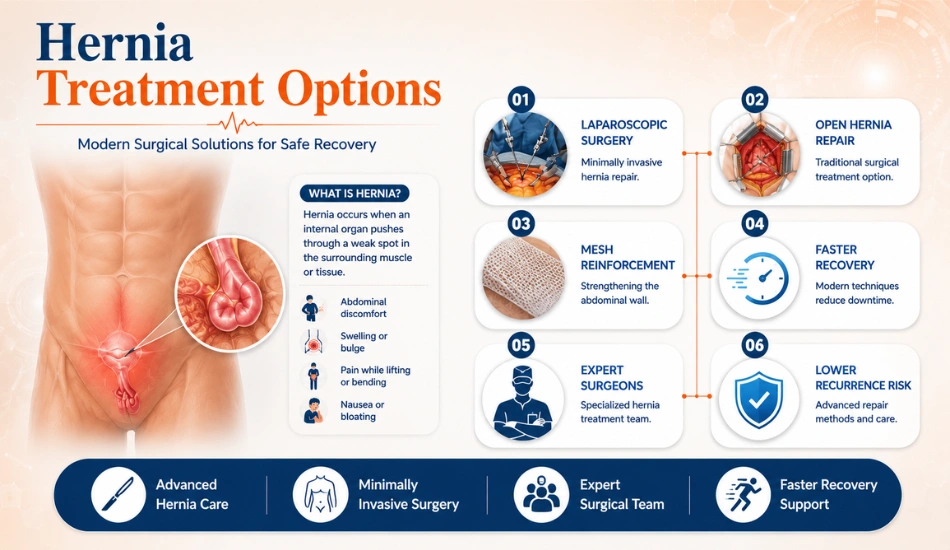
A hernia is a common medical condition that occurs when an internal organ or tissue pushes through a weak area in the surrounding muscle or connective tissue. While some hernias may initially appear harmless, they usually do not heal on their own and can gradually become larger, more painful, and potentially dangerous if left untreated.
If you are searching for Hernia Treatment in Delhi, understanding the available treatment options, symptoms, causes, surgery methods, recovery process, and prevention strategies can help you make informed healthcare decisions. Modern surgical techniques such as laparoscopic and minimally invasive hernia repair have significantly improved patient outcomes, reduced recovery time, and minimized post-operative discomfort.
In this comprehensive guide, we explain everything you need to know about hernia treatment options available in Delhi, including when surgery is required and how to choose the best treatment approach.
Establishing An Understanding Of Hernia :
A hernia develops when an organ, fatty tissue, or part of the intestine protrudes through a weakened area of muscle or tissue. Hernias can occur in different parts of the body, but they are most commonly found in the abdomen and groin region.
Although some hernias may remain small for years, most gradually enlarge over time and eventually require medical treatment.
Just Why Hernia Treatment Important ?
Unlike many other medical conditions, a hernia does not typically heal without treatment. Delaying treatment may increase the risk of complications such as bowel obstruction, incarceration, or strangulation, which can become medical emergencies.
Early diagnosis and timely treatment help prevent complications while providing better surgical outcomes and faster recovery.
Table of Contents
1. What Is a Hernia?
2. Types of Hernias
3. Early Signs and Symptoms
4. Causes of Hernia
5. Risk Factors
6. When to See a Doctor
7. Hernia Diagnosis
8. Available Hernia Treatment Options in Delhi
9. Non-Surgical Management
10. Open Hernia Surgery
11. Laparoscopic Hernia Repair
12. Mesh Hernia Repair
13. Recovery After Hernia Surgery
14. Prevention Tips
15. Frequently Asked Questions
Common Types of Hernias
| Type of Hernia | Location | Common Symptoms |
|---|---|---|
| Inguinal Hernia | Groin Area | Groin bulge, pain while lifting. |
| Femoral Hernia | Upper Thigh | Thigh swelling and discomfort. |
| Umbilical Hernia | Near Belly Button | Visible abdominal bulge. |
| Incisional Hernia | Previous Surgical Scar | Swelling near surgical site. |
| Hiatal Hernia | Upper Stomach | Acid reflux and heartburn. |
Early Signs and Symptoms of Hernia
Symptoms may vary depending on the type and size of the hernia.
- Visible lump or bulge under the skin.
- Pain while lifting heavy objects.
- Groin discomfort.
- Abdominal pressure.
- Burning sensation around the swelling.
- Pain during coughing or sneezing.
- Feeling of heaviness in the abdomen.
- Acid reflux in hiatal hernia cases.
Some patients may notice symptoms only during physical activity or prolonged standing.
What Causes Hernia?
A hernia typically develops due to muscle weakness combined with increased pressure inside the abdomen.
| Cause | How It Contributes |
|---|---|
| Heavy Weight Lifting | Increases abdominal pressure. |
| Chronic Cough | Repeated strain weakens muscles. |
| Obesity | Places extra pressure on abdominal tissues. |
| Pregnancy | Stretches abdominal muscles. |
| Constipation | Frequent straining during bowel movements. |
| Previous Surgery | Weakens abdominal wall at incision sites. |
| Ageing | Natural weakening of muscles. |
Risk Factors for Hernia Development
- Family history of hernia.
- Smoking.
- Obesity.
- Chronic constipation.
- Chronic respiratory diseases.
- Heavy physical labor.
- Previous abdominal surgery.
- Advancing age.
Patient Preparation :
Accurate diagnosis helps determine the most suitable treatment approach. Hernia specialists may recommend:
- Physical examination.
- Ultrasound.
- CT scan.
- MRI scan in complex cases.
- Endoscopy for hiatal hernia evaluation.
- Blood investigations before surgery.
These tests help identify the size, location, and severity of the hernia.
Available Hernia Treatment Options in Delhi
The best treatment depends on the hernia type, symptoms, size, and overall health of the patient.
| Treatment Option | Suitable For | Purpose |
|---|---|---|
| Observation | Small asymptomatic hernias | Regular monitoring. |
| Lifestyle Changes | Mild symptoms | Reduce discomfort. |
| Open Hernia Repair | Most hernia types | Permanent repair. |
| Laparoscopic Hernia Surgery | Suitable candidates | Minimally invasive repair. |
| Mesh Repair Surgery | Large hernias | Strengthens abdominal wall. |
Can Hernias Be Treated Without Surgery?
Non-surgical management may temporarily relieve symptoms in select patients, but it does not permanently cure a hernia.
Doctors may recommend:
- Weight management.
- Avoiding heavy lifting.
- Dietary modifications.
- Treating chronic cough.
- Managing constipation.
- Supportive abdominal binders in selected cases.
However, surgery remains the definitive treatment for most hernias.
The day of the magical operation :
When surgical treatment becomes necessary, the surgeon repairs the weakened area and prevents organs from protruding through the defect.
Modern hernia surgeries are commonly performed as minimally invasive procedures with shorter hospital stays and faster recovery.
Open Hernia Surgery
Open hernia repair involves making a small incision directly over the hernia site.
- Suitable for many types of hernias.
- Can be performed under local or general anesthesia.
- Effective for large or complicated hernias.
- Often combined with mesh reinforcement.
Laparoscopic Hernia Repair
Laparoscopic hernia surgery has become one of the preferred treatment options in Delhi due to its numerous advantages.
| Benefit | Advantage |
|---|---|
| Small Incisions | Minimal scarring. |
| Less Pain | Improved comfort after surgery. |
| Faster Recovery | Earlier return to work. |
| Reduced Infection Risk | Better surgical outcomes. |
| Short Hospital Stay | Day-care or short admission. |
The Superhero Tools :
Modern hernia treatment centers utilize advanced technologies to improve surgical precision and patient safety.
- High-definition laparoscopic systems.
- Advanced surgical mesh technology.
- Digital imaging support.
- Modern anesthesia monitoring systems.
- Minimally invasive surgical instruments.
These technologies contribute to better outcomes and quicker recovery.
Recovery Time :
Recovery depends on the type of surgery, patient age, and overall health condition.
| Procedure | Recovery Time |
|---|---|
| Laparoscopic Hernia Repair | 1–2 Weeks |
| Open Hernia Repair | 2–6 Weeks |
| Complex Hernia Repair | Several Weeks |
Most patients can resume light activities within a few days following minimally invasive surgery.
Taking Care of Yourself :
To support recovery and reduce recurrence risk:
- Avoid heavy lifting.
- Maintain healthy body weight.
- Consume a high-fiber diet.
- Stay physically active.
- Manage chronic cough promptly.
- Follow post-operative instructions carefully.
- Attend scheduled follow-up visits.
When Should You Seek Immediate Medical Attention?
Seek urgent medical care if you experience:
- Sudden severe hernia pain.
- Redness around the swelling.
- Nausea and vomiting.
- Fever.
- Inability to push the hernia back in.
- Symptoms of bowel obstruction.
These signs may indicate a strangulated hernia requiring emergency surgery.
A Guide to Feeling Better :
Hernias are common but potentially serious conditions that should not be ignored. While lifestyle changes may help manage mild symptoms temporarily, surgery remains the most effective and permanent treatment for most patients. Modern Hernia Treatment in Delhi includes advanced laparoscopic and mesh repair techniques that provide excellent outcomes, reduced pain, and faster recovery. Early diagnosis and timely treatment can prevent complications and help patients return to their normal daily activities with confidence and comfort.
FAQs
1. Can a hernia heal without surgery?
No. Hernias generally do not heal on their own and often require surgical repair for permanent treatment.
2. Which is the best treatment for hernia?
Laparoscopic and mesh hernia repair surgeries are among the most effective treatment options for many patients.
3. Is laparoscopic hernia surgery safe?
Yes. Laparoscopic hernia repair is considered a safe and widely performed minimally invasive procedure.
4. How long does hernia surgery recovery take?
Most patients recover within 1–2 weeks after laparoscopic surgery and 2–6 weeks after open surgery.
5. Can a hernia come back after surgery?
Although recurrence is uncommon with modern repair techniques, maintaining a healthy lifestyle and following medical advice can help reduce the risk.