In the beginning
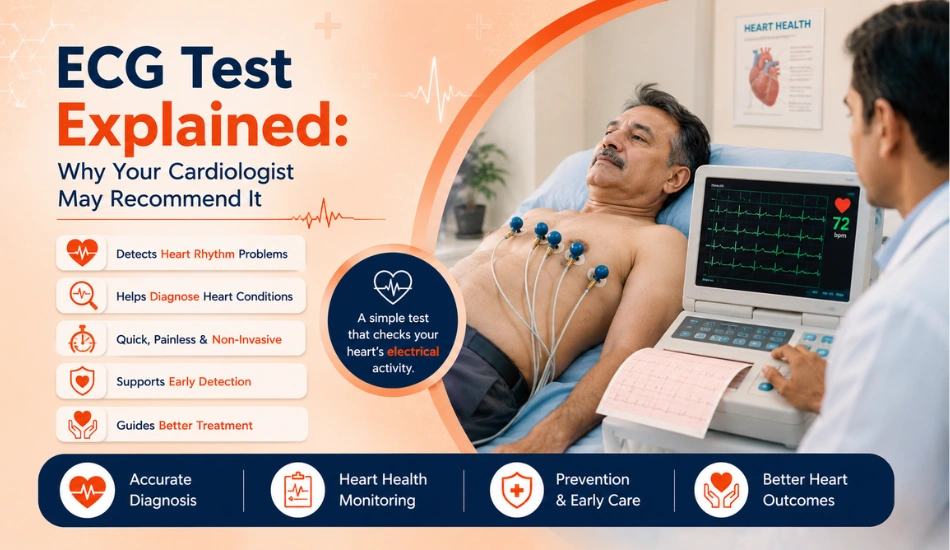
An ECG Test is one of the most common and important diagnostic tests used to evaluate heart health. It is a simple, painless, and non-invasive procedure that records the electrical activity of your heart and helps doctors detect various cardiac conditions at an early stage. Whether you are experiencing chest pain, irregular heartbeat, dizziness, shortness of breath, or simply undergoing a routine heart checkup, an ECG often serves as the first step in diagnosing heart-related problems.
If you are searching for an ECG Test in Delhi or looking for reliable cardiac diagnostics in Vikaspuri, understanding why cardiologists recommend this test can help you make informed healthcare decisions. Early detection of heart abnormalities allows timely treatment and significantly reduces the risk of serious complications such as heart attacks, arrhythmias, and heart failure.
This comprehensive guide explains what an ECG test is, how it works, when it is recommended, what conditions it can detect, and why it plays a crucial role in preventive heart care.
Understanding the ECG Test
An Electrocardiogram (ECG or EKG) is a diagnostic test that records the electrical impulses generated by the heart. Small adhesive electrodes are placed on the chest, arms, and legs to capture these electrical signals, which are displayed as waveforms on a monitor or printed graph.
Every heartbeat produces electrical activity. An ECG helps cardiologists determine whether your heart rhythm is normal, whether your heart is receiving enough oxygen-rich blood, and whether there are signs of previous or ongoing heart damage.
Why Do Cardiologists Recommend an ECG Test?
An ECG is often the first investigation recommended because it provides valuable information about heart rhythm, heart rate, and electrical conduction within just a few minutes.
Your cardiologist may advise an ECG if you have symptoms, existing risk factors, or require routine cardiovascular screening before surgery or certain medical treatments.
Table of Contents
1. What Is an ECG Test?
2. How Does an ECG Work?
3. Why Cardiologists Recommend an ECG
4. Symptoms That May Require an ECG
5. Who Should Get an ECG Test?
6. Conditions an ECG Can Detect
7. How to Prepare for an ECG
8. What Happens During the Procedure?
9. Is the ECG Test Painful?
10. Benefits of Early ECG Screening
11. Limitations of an ECG Test
12. Additional Cardiac Tests After ECG
13. Tips for Maintaining Heart Health
14. Why Choose an Advanced Cardiac Centre in Delhi?
15. Frequently Asked Questions
Symptoms That May Require an ECG Test
An ECG is commonly recommended when patients experience symptoms that may indicate an underlying heart condition.
| Symptoms | Why an ECG Is Recommended |
|---|---|
| Chest Pain | May indicate reduced blood supply to the heart. |
| Palpitations | Detects irregular heart rhythm. |
| Shortness of Breath | Evaluates possible heart-related causes. |
| Dizziness or Fainting | May reveal rhythm abnormalities. |
| Rapid Heartbeat | Checks electrical conduction. |
| Slow Heart Rate | Identifies conduction disorders. |
| Fatigue Without Cause | May indicate reduced heart function. |
Even when symptoms are mild, an ECG can provide valuable diagnostic information for early treatment.
Who Should Consider an ECG Test?
Although anyone can undergo an ECG, certain individuals benefit the most from routine cardiac screening.
- Adults above 35–40 years.
- People with diabetes.
- Patients with high blood pressure.
- Individuals with high cholesterol.
- Smokers.
- People with obesity.
- Individuals with a family history of heart disease.
- Patients preparing for surgery.
- Athletes undergoing fitness evaluation.
Preventive ECG screening helps identify hidden heart problems before symptoms become severe.
Patient Preparation
An ECG requires minimal preparation. However, following a few simple instructions helps improve test accuracy.
- Wear loose, comfortable clothing.
- Avoid applying lotions or oils on the chest.
- Inform your doctor about medications.
- Relax before the procedure.
- Remove jewelry near electrode placement areas.
Most patients can eat and drink normally before a routine ECG unless instructed otherwise.
Conditions an ECG Can Detect
An ECG provides valuable information about numerous cardiovascular conditions.
| Heart Condition | How ECG Helps |
|---|---|
| Heart Attack | Detects current or previous heart muscle damage. |
| Arrhythmias | Identifies irregular heart rhythms. |
| Bradycardia | Detects abnormally slow heartbeat. |
| Tachycardia | Detects unusually fast heartbeat. |
| Heart Enlargement | Shows electrical changes associated with enlarged chambers. |
| Electrolyte Imbalance | May indicate abnormal potassium or calcium levels. |
| Conduction Disorders | Detects electrical pathway abnormalities. |
Although an ECG is highly valuable, additional cardiac investigations may sometimes be required for a complete diagnosis.
The ECG Procedure Explained
An ECG is one of the quickest diagnostic tests performed in cardiology.
- The patient lies comfortably on an examination table.
- Small adhesive electrodes are attached to the chest, arms, and legs.
- The ECG machine records electrical signals for a few seconds.
- The printed graph is reviewed by the cardiologist.
The entire procedure usually takes less than 10 minutes.
Is the ECG Test Painful?
No. An ECG is completely painless and non-invasive. The electrodes simply detect electrical activity and do not deliver any electric current into the body.
Patients can return to their normal daily activities immediately after the test.
Benefits of Early ECG Screening
Routine ECG testing offers several important health benefits.
| Benefit | Why It Matters |
|---|---|
| Early Diagnosis | Detects heart disease before complications develop. |
| Quick Results | Helps doctors begin treatment promptly. |
| Painless Procedure | No injections or surgery required. |
| Affordable Screening | Widely available in hospitals. |
| Improved Treatment Planning | Guides additional investigations. |
| Routine Monitoring | Tracks heart health over time. |
Can an ECG Detect Every Heart Problem?
Although an ECG is extremely useful, it cannot diagnose every heart condition. Some patients may require additional investigations depending on symptoms and medical history.
Your cardiologist may recommend:
- 2D Echocardiography.
- Treadmill Test (TMT).
- Holter Monitoring.
- CT Coronary Angiography.
- Coronary Angiography.
- Blood investigations.
Combining these investigations helps establish a comprehensive diagnosis.
Tips for Maintaining Good Heart Health
An ECG helps diagnose heart disease, but healthy lifestyle choices remain the best strategy for prevention.
| Healthy Habit | Heart Health Benefit |
|---|---|
| Regular Exercise | Improves cardiovascular fitness. |
| Balanced Diet | Controls cholesterol levels. |
| Quit Smoking | Reduces heart attack risk. |
| Blood Pressure Control | Protects arteries and heart muscle. |
| Diabetes Management | Prevents cardiovascular complications. |
| Routine Heart Checkups | Detects disease early. |
Why Choose an Advanced Cardiology Centre in Delhi?
Choosing a hospital equipped with experienced cardiologists and modern diagnostic technology ensures accurate diagnosis and timely treatment. Advanced cardiac centres provide ECG, 2D Echo, TMT, Holter Monitoring, emergency cardiac care, and comprehensive heart health evaluation under one roof.
If you are looking for an ECG Test in Delhi or reliable heart care in Vikaspuri, selecting a well-equipped hospital with experienced cardiac specialists helps ensure better outcomes and comprehensive cardiovascular management.
A Guide to Better Heart Health
An ECG Test is one of the most effective, affordable, and reliable tools for evaluating heart health. Whether you have symptoms such as chest pain or palpitations, possess cardiovascular risk factors, or simply wish to undergo preventive screening, an ECG provides valuable information that helps cardiologists diagnose heart conditions early. Combined with regular checkups, healthy lifestyle habits, and timely medical care, routine ECG testing plays a vital role in preventing serious heart disease and promoting long-term cardiovascular wellness.
FAQs
1. What is an ECG Test used for?
An ECG Test records the electrical activity of the heart and helps diagnose heart rhythm disorders, heart attacks, enlarged heart chambers, and other cardiovascular conditions.
2. Is an ECG Test painful?
No. An ECG is a completely painless, safe, and non-invasive procedure that usually takes only a few minutes.
3. How long does an ECG Test take?
A routine ECG usually takes between 5 and 10 minutes, including preparation and recording.
4. Do I need to fast before an ECG?
No. Most routine ECG Tests do not require fasting unless your doctor has advised additional blood investigations.
5. Where can I get an ECG Test in Delhi or Vikaspuri?
You can undergo an ECG Test at hospitals and cardiac centres equipped with experienced cardiologists and advanced diagnostic facilities. Choosing a well-established hospital ensures accurate diagnosis, expert interpretation, and comprehensive heart care.