
In the beginning
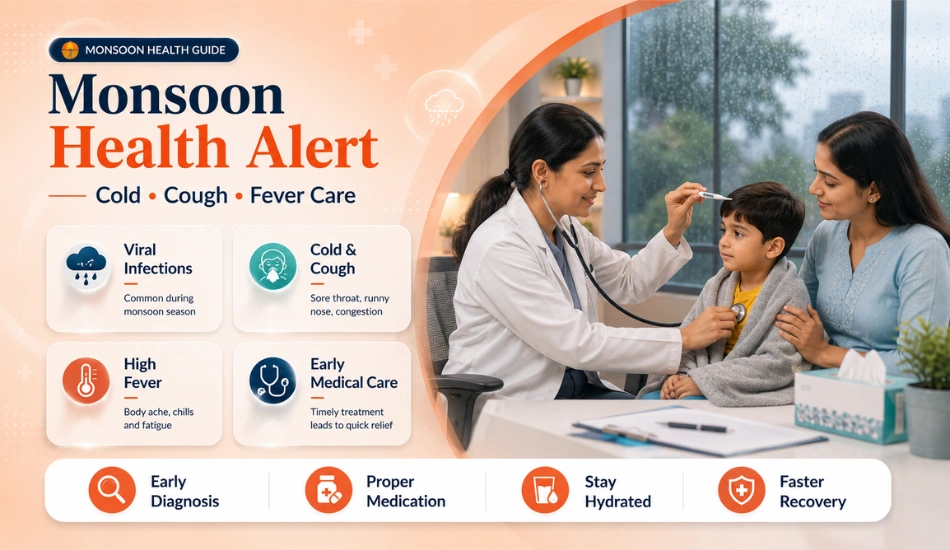
The monsoon season brings welcome relief from the summer heat, but it also increases the risk of infections such as the common cold, cough, viral fever, seasonal flu, sore throat, and respiratory illnesses. Sudden weather changes, high humidity, waterlogging, and the rapid spread of viruses create ideal conditions for seasonal illnesses. Children, older adults, pregnant women, and people with weakened immunity are especially vulnerable during this time.
If you or your family experience persistent fever, cough, body aches, breathing difficulty, or symptoms that do not improve within a few days, it is important to seek timely medical advice. If you're looking to Book Your Consultation in Delhi, early diagnosis and appropriate treatment can help prevent complications and speed up recovery.
This comprehensive 2026 guide explains the causes, symptoms, treatment options, prevention tips, and warning signs that require medical attention during the monsoon season.
Understanding Monsoon Infections
Monsoon-related illnesses are usually caused by viruses, bacteria, or allergens that spread more easily in humid environments. Rainwater accumulation, contaminated drinking water, mosquito breeding, and damp surroundings contribute to a higher incidence of seasonal diseases.
Although many viral infections resolve within a few days, some illnesses may require medical evaluation, laboratory investigations, or hospitalization if symptoms become severe.
Why Do Cold, Cough and Fever Increase During Monsoon?
Humidity and fluctuating temperatures weaken the body's natural defense mechanisms and allow viruses to survive longer on surfaces. Crowded public places, schools, offices, and public transport also facilitate the spread of respiratory infections.
In addition, poor hygiene, contaminated food, and exposure to polluted water increase the risk of bacterial infections during the rainy season.
Table of Contents
1. Why Monsoon Increases Seasonal Infections
2. Common Causes of Cold, Cough and Fever
3. Early Symptoms to Watch For
4. Difference Between Viral Fever and Seasonal Flu
5. Who Is at Higher Risk?
6. Diagnosis and Medical Evaluation
7. Treatment Options
8. Home Care During Recovery
9. Foods That Support Recovery
10. Foods to Avoid During Fever
11. Prevention Tips During Monsoon
12. Warning Signs That Need Immediate Medical Care
13. Possible Complications
14. Recovery Timeline
15. Frequently Asked Questions
Common Causes of Cold, Cough and Fever During Monsoon
Several factors contribute to seasonal infections during the rainy season.
| Cause | How It Affects Health |
|---|---|
| Viral Infections | Most common cause of fever, cough and sore throat. |
| Seasonal Influenza | Causes high fever, fatigue and body pain. |
| Bacterial Throat Infection | May cause severe throat pain and fever. |
| Allergic Rhinitis | Triggers sneezing, nasal congestion and watery eyes. |
| Air Pollution | Can worsen cough and breathing problems. |
| Damp Environment | Encourages growth of mold and allergens. |
| Contaminated Food & Water | May cause gastrointestinal infections with fever. |
Common Symptoms
The symptoms vary depending on the underlying infection, but most patients experience one or more of the following:
- Runny or blocked nose.
- Sore throat.
- Persistent cough.
- Fever.
- Body aches.
- Headache.
- Fatigue.
- Sneezing.
- Loss of appetite.
- Mild breathing discomfort.
Children and elderly individuals may develop symptoms more rapidly and require closer medical observation.
Difference Between Viral Fever and Seasonal Flu
| Feature | Viral Fever | Seasonal Flu |
|---|---|---|
| Onset | Gradual | Sudden |
| Fever | Mild to Moderate | Usually High |
| Body Pain | Moderate | Severe |
| Cough | Common | Very Common |
| Fatigue | Mild | Can Last Several Days |
| Recovery | 3–7 Days | 5–10 Days |
Both conditions require adequate hydration, rest, and medical evaluation if symptoms worsen.
Who Is at Higher Risk?
Certain individuals are more likely to develop severe complications from seasonal infections.
- Children below five years.
- Adults above sixty years.
- Pregnant women.
- Patients with asthma.
- Diabetic patients.
- Individuals with heart disease.
- People with chronic lung disease.
- Patients with weakened immunity.
These individuals should seek medical advice early rather than relying solely on home remedies.
Diagnosis and Medical Evaluation
Doctors usually diagnose monsoon illnesses based on symptoms and physical examination. Depending on the severity, additional investigations may be recommended.
| Investigation | Purpose |
|---|---|
| Physical Examination | Evaluates infection severity. |
| Complete Blood Count (CBC) | Checks for infection. |
| Dengue Test | If high fever with low platelets is suspected. |
| Malaria Test | For prolonged fever with chills. |
| COVID-19 Test | When clinically indicated. |
| Chest X-ray | If pneumonia is suspected. |
Treatment Options
Treatment depends on the underlying cause and the severity of symptoms. Most viral illnesses improve with supportive care, while bacterial infections may require antibiotics prescribed by a qualified doctor.
- Rest.
- Adequate hydration.
- Paracetamol for fever (as advised).
- Warm salt-water gargles.
- Steam inhalation.
- Cough medication when appropriate.
- Prescription medicines if bacterial infection is confirmed.
Antibiotics should never be taken without medical advice because they are ineffective against viral infections.
Home Care During Recovery
Simple supportive measures can help speed recovery.
| Home Care | Benefit |
|---|---|
| Drink Plenty of Fluids | Prevents dehydration. |
| Warm Soups | Provide comfort and nutrition. |
| Proper Sleep | Supports immune function. |
| Steam Inhalation | Relieves nasal congestion. |
| Warm Salt Water Gargles | Soothes sore throat. |
| Healthy Diet | Promotes faster healing. |
Foods That Help Recovery
- Fresh fruits rich in Vitamin C.
- Green leafy vegetables.
- Homemade soups.
- Khichdi and light meals.
- Curd (if tolerated).
- Coconut water.
- Fresh fruit juices without excess sugar.
Foods to Avoid During Fever
- Deep-fried foods.
- Excessively spicy meals.
- Carbonated beverages.
- Processed foods.
- Alcohol.
- Excess sugar.
Monsoon Prevention Tips
Preventing infection is always better than treating illness.
| Preventive Measure | Benefit |
|---|---|
| Wash Hands Frequently | Reduces virus transmission. |
| Drink Safe Water | Prevents waterborne diseases. |
| Eat Freshly Cooked Food | Reduces infection risk. |
| Keep Surroundings Dry | Prevents mold growth. |
| Avoid Waterlogging | Reduces mosquito exposure. |
| Boost Immunity | Helps fight seasonal infections. |
| Wear Clean Dry Clothes | Prevents fungal and bacterial infections. |
Warning Signs That Need Immediate Medical Attention
Although many monsoon illnesses improve within a few days, certain symptoms require urgent evaluation.
- High fever lasting more than three days.
- Difficulty breathing.
- Persistent chest pain.
- Confusion or drowsiness.
- Repeated vomiting.
- Blood in sputum.
- Severe dehydration.
- Very low urine output.
- High fever with rash.
If these warning signs occur, Book Your Consultation in Delhi immediately instead of delaying treatment.
Possible Complications
Without timely treatment, some infections can progress to more serious conditions including:
- Pneumonia.
- Bronchitis.
- Sinus infection.
- Ear infection.
- Asthma exacerbation.
- Severe dehydration.
- Dengue or malaria complications (when present).
Recovery Timeline
Most uncomplicated viral infections recover within one week with adequate rest and hydration. Recovery may take longer in elderly patients, individuals with chronic illnesses, or those who develop bacterial complications.
Following the prescribed treatment plan, maintaining proper nutrition, and avoiding self-medication contribute to faster recovery.
A Guide to Staying Healthy This Monsoon
Cold, cough, and fever are among the most common illnesses during the rainy season, but most cases can be managed successfully with early diagnosis, proper hydration, adequate rest, and appropriate medical care. Maintaining good hygiene, eating nutritious food, drinking safe water, and recognizing warning signs are essential for preventing serious complications. If symptoms become severe or persist beyond a few days, timely consultation with a qualified healthcare professional ensures accurate diagnosis and effective treatment, helping you and your family stay healthy throughout the monsoon season.
FAQs
1. Why do cold and cough become more common during monsoon?
High humidity, fluctuating temperatures, and increased viral transmission during the rainy season make respiratory infections more common.
2. How long does a viral fever usually last?
Most viral fevers improve within 3 to 7 days with adequate rest, hydration, and supportive treatment.
3. Can antibiotics treat viral cold and cough?
No. Antibiotics are effective only against bacterial infections and should only be used when prescribed by a qualified doctor.
4. When should I visit a doctor for monsoon fever?
You should seek medical attention if fever lasts more than three days, breathing becomes difficult, dehydration develops, or symptoms worsen despite home care.
5. How can I reduce my risk of seasonal infections?
Practice good hand hygiene, drink clean water, eat freshly prepared food, maintain a healthy diet, sleep well, and avoid exposure to contaminated water during the rainy season.