In the beginning
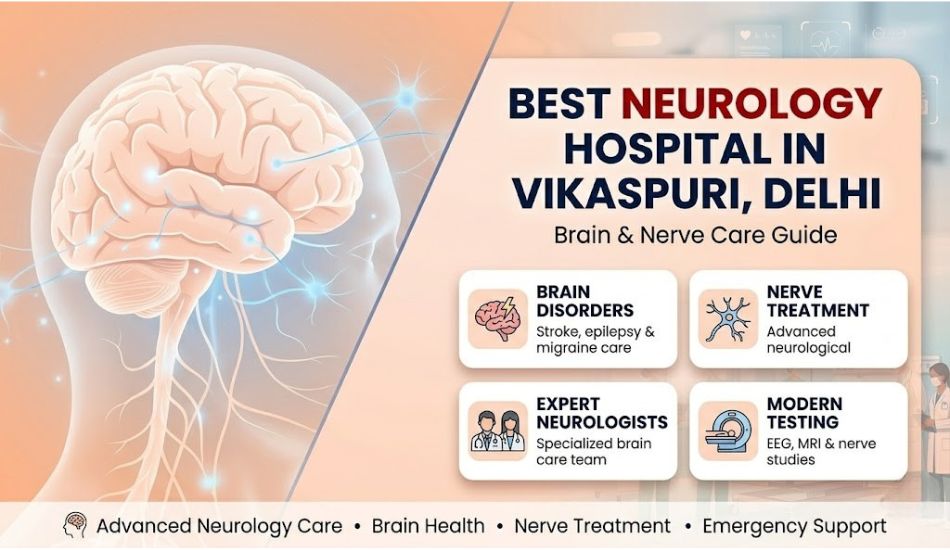
The brain and nervous system control every important function of the body, from movement and memory to breathing and balance. Neurological disorders can affect people of all age groups and may lead to serious health complications if ignored. Choosing the Best Neurology Hospital in Vikaspuri, Delhi ensures access to experienced neurologists, advanced diagnostic technology, and specialized treatment for brain, spine, and nerve-related conditions. Early diagnosis and proper neurological care can help improve recovery and quality of life.
Establishing An Understanding Of Neurology Care :
Neurology is the branch of medicine that focuses on diagnosing and treating disorders related to the brain, spinal cord, nerves, and muscles. Common neurological conditions include stroke, epilepsy, migraine, Parkinson’s disease, nerve pain, paralysis, and brain infections. Modern neurology care in Delhi includes advanced brain imaging, nerve testing, and minimally invasive treatment procedures.
Just Why Neurology Treatment Important ?
Neurological disorders can progress rapidly if left untreated. Symptoms such as severe headaches, dizziness, numbness, memory loss, seizures, weakness, and difficulty speaking should never be ignored. Timely treatment helps prevent complications and improves patient outcomes. Early medical intervention is especially important in conditions like stroke and epilepsy.
Table of Contents
1. Understanding Neurology Care
2. Importance of Brain & Nerve Treatment
3. Patient Preparation
4. Neurological Tests & Procedures
5. Advanced Neurology Technology
6. Recovery and Rehabilitation
7. Brain Health Care Tips
8. Maintaining a Healthy Nervous System
Patient Preparation :
Before neurological treatment or testing, doctors may recommend MRI scans, CT scans, EEG, blood tests, or nerve conduction studies. Patients should discuss symptoms, medications, and medical history with the neurologist. Proper preparation helps doctors diagnose the condition accurately and plan effective treatment.
The day of the magical operation :
On the day of treatment or neurological procedure, patients are monitored closely by specialists. Depending on the condition, doctors may perform diagnostic tests, medications, minimally invasive procedures, or surgery. Advanced neurology departments ensure patient comfort, safety, and accurate treatment throughout the process.
The Superhero Tools :
Modern neurology hospitals use advanced technologies such as MRI, CT scan, EEG monitoring systems, nerve testing equipment, and digital imaging tools. These technologies help neurologists detect brain and nerve disorders accurately and provide targeted treatment. Advanced monitoring systems also improve patient safety during treatment.
Recovery Time :
Recovery depends on the type and severity of the neurological condition. Some patients recover quickly with medications and therapy, while others may require long-term rehabilitation. Physiotherapy, occupational therapy, and regular follow-ups play a major role in improving mobility and quality of life.
Taking Care of Yourself :
Maintaining brain and nerve health requires proper sleep, balanced diet, regular exercise, and stress management. Patients should avoid smoking, alcohol, and unhealthy lifestyle habits. Managing blood pressure, diabetes, and cholesterol also helps reduce the risk of neurological disorders.
A Guide to Feeling Better :
Choosing the best Neurology Hospital in Vikaspuri, Delhi ensures expert care for brain, spine, and nerve-related conditions. With advanced technology, experienced neurologists, and personalized treatment plans, patients can receive effective neurological care and better recovery outcomes. Early diagnosis and regular medical care are essential for maintaining a healthy nervous system.
FAQs
1. What are common neurological disorders?
Common neurological conditions include stroke, epilepsy, migraine, Parkinson’s disease, nerve pain, and paralysis.
2. When should I consult a neurologist?
You should see a neurologist if you experience seizures, severe headaches, dizziness, numbness, or memory problems.
3. Which tests are used in neurology?
Doctors commonly use MRI, CT scans, EEG, blood tests, and nerve conduction studies for diagnosis.
4. Can neurological disorders be treated?
Many neurological conditions can be managed effectively with medications, therapy, and advanced treatment options.
5. How can I keep my brain healthy?
Maintain a healthy diet, regular exercise, proper sleep, and control stress, blood pressure, and diabetes.