In the beginning
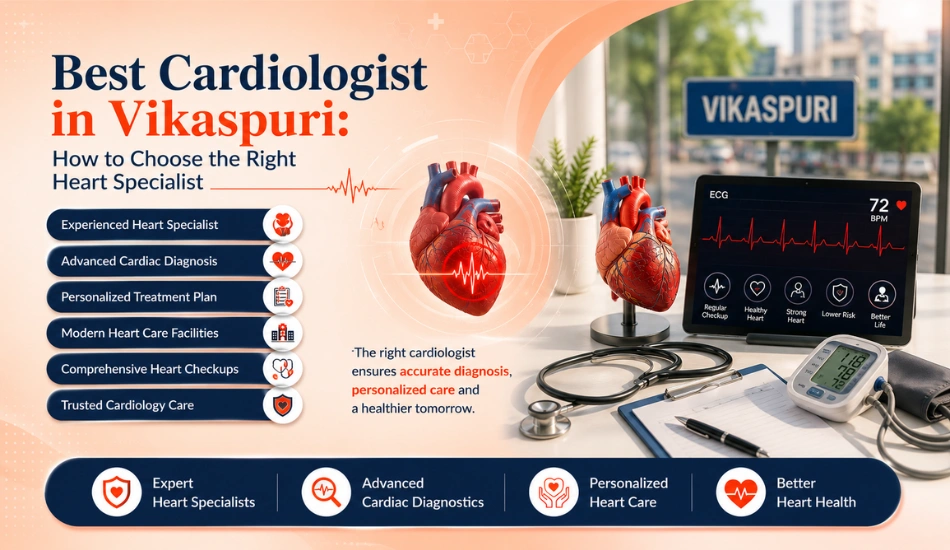
Your heart is one of the most important organs in your body, and choosing the right cardiologist can make a significant difference in maintaining lifelong heart health. Whether you are experiencing chest pain, high blood pressure, palpitations, shortness of breath, or simply want a preventive heart checkup, selecting an experienced heart specialist is the first step toward accurate diagnosis and effective treatment.
If you are looking for the Best Cardiologist in Vikaspuri, it is important to evaluate not only the doctor's qualifications but also the hospital's facilities, emergency support, diagnostic technology, and patient care services. A qualified cardiologist helps diagnose, treat, and prevent various cardiovascular diseases while guiding patients toward healthier lifestyles. :contentReference[oaicite:0]{index=0}
This comprehensive guide explains how to choose the right heart specialist, when you should consult a cardiologist, the diagnostic tests you may need, and what qualities define an experienced cardiac care expert.
Establishing An Understanding Of Cardiology :
Cardiology is the branch of medicine that focuses on diagnosing, treating, and preventing diseases affecting the heart and blood vessels. Cardiologists manage conditions such as coronary artery disease, hypertension, heart rhythm disorders, heart failure, valve diseases, and congenital heart defects.
With modern diagnostic technology and early intervention, many heart conditions can now be managed effectively, helping patients lead healthier and longer lives.
Just Why Choosing The Right Cardiologist Important ?
Heart diseases often progress silently without noticeable symptoms. Choosing an experienced cardiologist ensures timely diagnosis, appropriate investigations, personalized treatment plans, and continuous monitoring to reduce the risk of heart attack, stroke, and heart failure.
Experienced cardiologists also help patients understand lifestyle modifications, medication management, and preventive strategies for long-term cardiovascular health. :contentReference[oaicite:1]{index=1}
Table of Contents
1. What Does a Cardiologist Do?
2. When Should You Visit a Heart Specialist?
3. Qualities of the Best Cardiologist
4. Qualifications and Experience
5. Hospital Infrastructure and Technology
6. Diagnostic Tests Offered
7. Heart Conditions Treated
8. Questions to Ask Your Cardiologist
9. Heart Disease Risk Factors
10. Preventive Heart Checkups
11. Tips for Maintaining Heart Health
12. Benefits of Early Cardiac Care
13. When to Seek Emergency Care
14. Why Choosing the Right Hospital Matters
15. Frequently Asked Questions
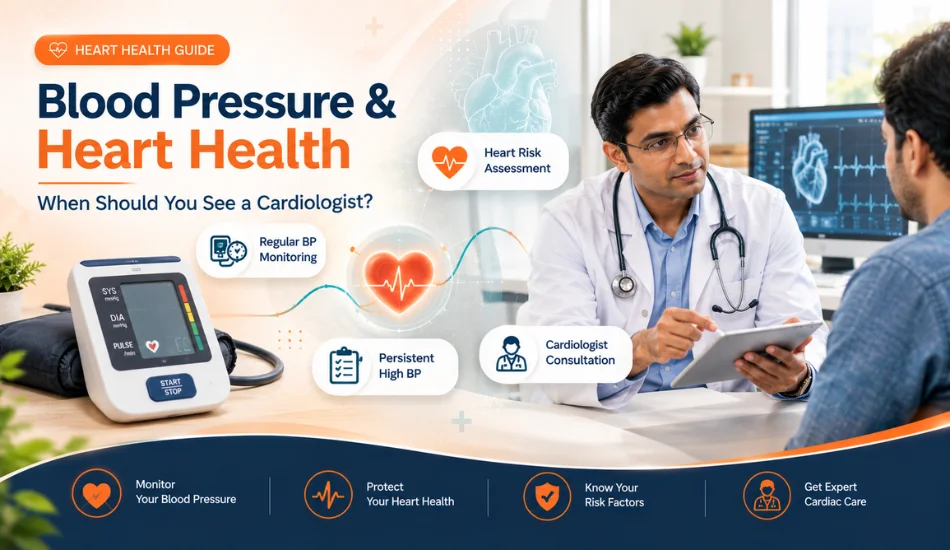
When Should You Visit a Cardiologist?
You should not wait until a medical emergency occurs before consulting a heart specialist. Early evaluation often prevents serious complications.
| Symptoms | Why Medical Evaluation Is Important |
|---|---|
| Chest Pain | May indicate coronary artery disease. |
| Shortness of Breath | Possible heart or lung condition. |
| High Blood Pressure | Requires long-term cardiovascular monitoring. |
| Palpitations | May suggest irregular heart rhythm. |
| Dizziness or Fainting | Could indicate reduced blood flow. |
| Swelling in Legs | Possible heart failure symptom. |
| High Cholesterol | Increases risk of blocked arteries. |
Anyone with these symptoms should consider consulting a qualified cardiologist promptly. :contentReference[oaicite:2]{index=2}
What Makes the Best Cardiologist?
Choosing the right heart specialist involves evaluating multiple factors beyond years of experience.
- Recognized medical qualifications.
- Extensive experience in cardiology.
- Expertise in preventive and interventional cardiology.
- Excellent communication skills.
- Patient-focused treatment approach.
- Access to advanced diagnostic facilities.
- Availability for emergency cardiac care.
A trusted cardiologist should clearly explain your diagnosis, treatment options, risks, and long-term care plan. :contentReference[oaicite:3]{index=3}
Patient Preparation :
Before your first cardiology consultation, prepare the following:
- Previous ECG reports.
- Blood test reports.
- Current medications.
- Blood pressure records.
- Diabetes reports.
- Family medical history.
- List of symptoms.
Providing complete medical information helps your cardiologist make an accurate diagnosis.
Diagnostic Tests Every Good Cardiology Center Should Offer
Modern heart care depends on accurate diagnosis using advanced technology.
| Cardiac Test | Purpose |
|---|---|
| ECG | Evaluates heart rhythm. |
| 2D Echocardiography | Assesses heart structure and pumping function. |
| Treadmill Test (TMT) | Evaluates exercise-induced heart problems. |
| Holter Monitoring | Records heart rhythm for 24–48 hours. |
| Blood Pressure Monitoring | Detects hypertension. |
| Lipid Profile | Measures cholesterol levels. |
| Coronary Angiography | Identifies blocked heart arteries. |
Hospitals equipped with comprehensive diagnostic services provide faster diagnosis and more effective treatment planning.
Heart Conditions Commonly Treated
Experienced cardiologists diagnose and manage a wide range of cardiovascular disorders.
- Coronary artery disease.
- Heart attack.
- Hypertension.
- Heart failure.
- Irregular heartbeat (Arrhythmia).
- Valve disorders.
- Congenital heart disease.
- High cholesterol.
Early treatment significantly improves long-term outcomes for many cardiac conditions.
Questions You Should Ask Your Cardiologist
Your consultation is an opportunity to understand your heart health thoroughly.
| Question | Why It Matters |
|---|---|
| What is causing my symptoms? | Helps understand diagnosis. |
| Do I need additional tests? | Clarifies further evaluation. |
| Can lifestyle changes improve my condition? | Supports preventive care. |
| Will I require long-term medication? | Explains treatment duration. |
| How often should I follow up? | Ensures continuous monitoring. |
Heart Disease Risk Factors
Understanding your risk factors helps prevent future heart problems.
| Risk Factor | Effect on Heart Health |
|---|---|
| Diabetes | Increases artery damage. |
| Smoking | Raises heart attack risk. |
| Obesity | Increases cardiac workload. |
| High Blood Pressure | Damages blood vessels. |
| High Cholesterol | Causes artery blockage. |
| Family History | Raises inherited risk. |
| Physical Inactivity | Weakens cardiovascular health. |
The day of the magical operation :
Not every patient visiting a cardiologist requires surgery. Most heart conditions are initially managed with lifestyle modifications, medications, and regular monitoring. If necessary, your cardiologist may recommend advanced procedures such as angiography, angioplasty, pacemaker implantation, or referral for cardiac surgery.
Early diagnosis often prevents serious complications and reduces the need for emergency interventions.
The Superhero Tools :
Modern cardiac centers utilize advanced technologies to provide accurate diagnosis and personalized treatment.
- Digital ECG.
- 2D Echo with Doppler.
- Stress Testing Systems.
- Holter Monitoring.
- Cardiac CT Imaging.
- Coronary Angiography.
- Advanced Cardiac Monitoring Equipment.
These technologies help cardiologists diagnose heart diseases accurately and develop individualized treatment plans.
Tips for Maintaining a Healthy Heart
Heart disease prevention begins with healthy daily habits.
| Healthy Habit | Benefit |
|---|---|
| Regular Exercise | Strengthens the heart. |
| Balanced Diet | Controls cholesterol. |
| Quit Smoking | Reduces cardiovascular risk. |
| Maintain Healthy Weight | Improves heart function. |
| Control Blood Pressure | Protects blood vessels. |
| Routine Heart Checkups | Detects disease early. |
| Manage Stress | Supports cardiovascular health. |
Recovery Time :
Recovery depends on the specific heart condition and treatment received. Patients diagnosed early often recover more quickly and experience fewer complications. Regular follow-up visits, medication adherence, and healthy lifestyle changes remain essential for long-term heart health.
Taking Care of Yourself :
Protecting your heart requires continuous attention to your overall health.
- Schedule regular heart checkups.
- Monitor blood pressure and cholesterol.
- Manage diabetes effectively.
- Exercise regularly.
- Eat a heart-healthy diet.
- Avoid tobacco products.
- Sleep adequately.
- Consult a cardiologist if symptoms appear.
Preventive care is one of the most effective ways to reduce the risk of cardiovascular disease.
A Guide to Feeling Better :
Choosing the Best Cardiologist in Vikaspuri involves more than finding an experienced doctor—it also means selecting a heart specialist who provides comprehensive cardiac evaluation, personalized treatment, preventive care, and access to advanced diagnostic facilities. Whether you need routine heart screening, management of high blood pressure, evaluation of chest pain, or treatment for complex cardiovascular diseases, timely consultation with a qualified cardiologist can help prevent serious complications and improve your quality of life. Prioritizing regular heart checkups and adopting a healthy lifestyle remain the foundation of lifelong cardiovascular wellness. :contentReference[oaicite:4]{index=4}
FAQs
1. When should I consult a cardiologist?
You should consult a cardiologist if you experience chest pain, shortness of breath, palpitations, dizziness, high blood pressure, or have significant risk factors such as diabetes or a family history of heart disease.
2. What qualifications should I look for in a cardiologist?
Choose a qualified cardiologist with recognized medical credentials, extensive clinical experience, good communication skills, and access to advanced cardiac diagnostic facilities.
3. Which tests are commonly performed during a heart evaluation?
Common investigations include ECG, 2D Echocardiography, Treadmill Test (TMT), Holter Monitoring, blood pressure assessment, cholesterol testing, and blood sugar evaluation.
4. Can regular heart checkups prevent heart disease?
Regular heart checkups help detect cardiovascular risk factors early, allowing timely treatment and lifestyle modifications that significantly reduce the risk of heart attacks and other complications.
5. How often should adults undergo heart screening?
The frequency depends on age and risk factors. Adults over 30 years or those with diabetes, hypertension, obesity, or a family history of heart disease should discuss an appropriate screening schedule with their cardiologist.