In the beginning
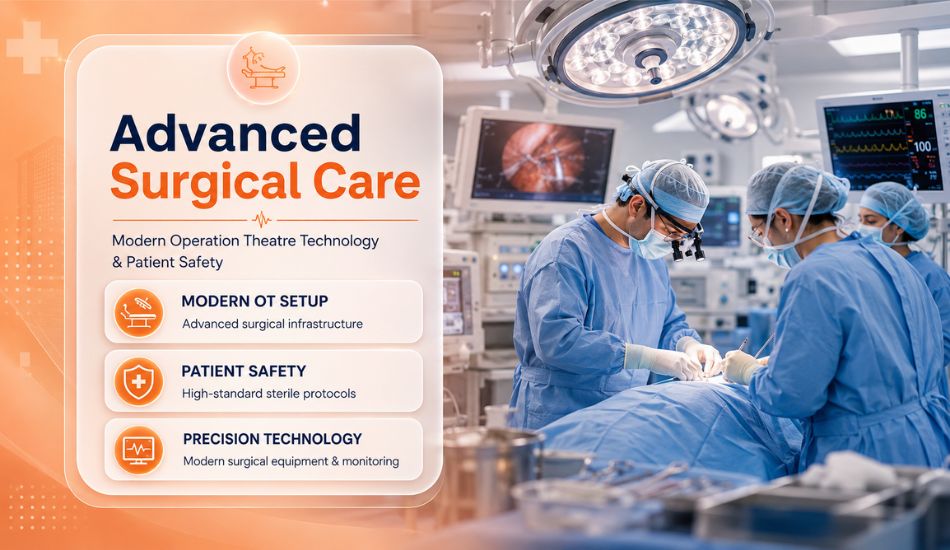
An Advanced Operation Theatre plays a vital role in ensuring safe, precise, and successful surgical procedures. Modern surgical technology has transformed healthcare by improving patient safety, reducing complications, and supporting faster recovery. Choosing a hospital with an Advanced Operation Theatre in Delhi ensures access to state-of-the-art surgical infrastructure, experienced surgeons, and advanced monitoring systems. From minimally invasive surgeries to complex procedures, modern operation theatres are designed to provide the highest standards of surgical care and patient safety.
Establishing An Understanding Of Advanced Operation Theatre :
An operation theatre is a specially designed medical facility where surgeries and medical procedures are performed under sterile and controlled conditions. Advanced operation theatres are equipped with high-end surgical equipment, modern anesthesia systems, infection control technology, and real-time patient monitoring devices. These facilities help surgeons perform procedures with greater precision and improved outcomes.
Just Why Modern Surgical Technology Important ?
Modern surgical technology helps reduce surgical risks, improve treatment accuracy, and enhance patient safety during operations. Advanced operation theatres support minimally invasive procedures that involve smaller incisions, less pain, minimal blood loss, and quicker recovery. Proper infection control and emergency support systems also reduce post-surgical complications and improve overall patient care.
Table of Contents
1. Understanding Advanced Operation Theatre
2. Importance of Modern Surgical Technology
3. Patient Preparation
4. Surgical Procedures & Monitoring
5. Advanced Equipment & Safety Systems
6. Recovery and Post-Operative Care
7. Infection Control & Patient Safety
8. Benefits of Advanced Surgical Care
Patient Preparation :
Before surgery, patients undergo detailed medical evaluations including blood tests, imaging scans, ECG, and anesthesia assessments. Doctors explain the surgical procedure, recovery process, and necessary precautions. Proper preparation helps reduce surgical risks and ensures a safer operation experience for the patient.
The day of the magical operation :
On the day of surgery, patients are monitored continuously by surgeons, anesthetists, and nursing staff. Advanced operation theatres maintain strict sterilization protocols and use digital monitoring systems to track vital signs throughout the procedure. Depending on the surgery type, minimally invasive or traditional surgical techniques may be used to ensure effective treatment.
The Superhero Tools :
Modern operation theatres in Delhi are equipped with advanced laparoscopic systems, anesthesia workstations, surgical lights, digital imaging systems, and patient monitoring devices. High-efficiency ventilation systems and infection control technologies help maintain a sterile surgical environment. These advanced tools improve surgical precision, patient safety, and treatment outcomes.
Recovery Time :
Recovery after surgery depends on the procedure performed and the patient’s overall health. Advanced surgical technology and minimally invasive procedures often reduce hospital stay and support faster healing. Post-operative monitoring, medications, physiotherapy, and regular follow-up care help patients recover safely and comfortably.
Taking Care of Yourself :
After surgery, patients should follow medical advice regarding medications, wound care, physical activity, and diet. Maintaining hygiene, attending follow-up visits, and reporting unusual symptoms immediately help prevent complications. Proper post-operative care plays a major role in successful recovery and long-term health.
A Guide to Feeling Better :
Choosing a hospital with an advanced operation theatre in Delhi ensures access to world-class surgical infrastructure, experienced surgeons, and modern patient safety systems. Advanced surgical technology improves treatment accuracy, reduces complications, and supports faster recovery. With expert surgical care and modern facilities, patients can undergo procedures with greater confidence and safety.
FAQs
1. What is an advanced operation theatre?
An advanced operation theatre is a modern surgical facility equipped with advanced technology, monitoring systems, and sterilization equipment for safe surgeries.
2. Why is modern surgical technology important?
Modern technology improves surgical precision, reduces complications, and supports faster patient recovery.
3. Are minimally invasive surgeries safer?
Minimally invasive surgeries often involve smaller cuts, less pain, reduced blood loss, and quicker healing.
4. How do operation theatres maintain patient safety?
Advanced operation theatres use sterilization systems, continuous monitoring, emergency support, and infection control measures for patient safety.
5. What should patients do before surgery?
Patients should follow doctor instructions, complete medical tests, maintain fasting if advised, and discuss medications before surgery.