

In the beginning
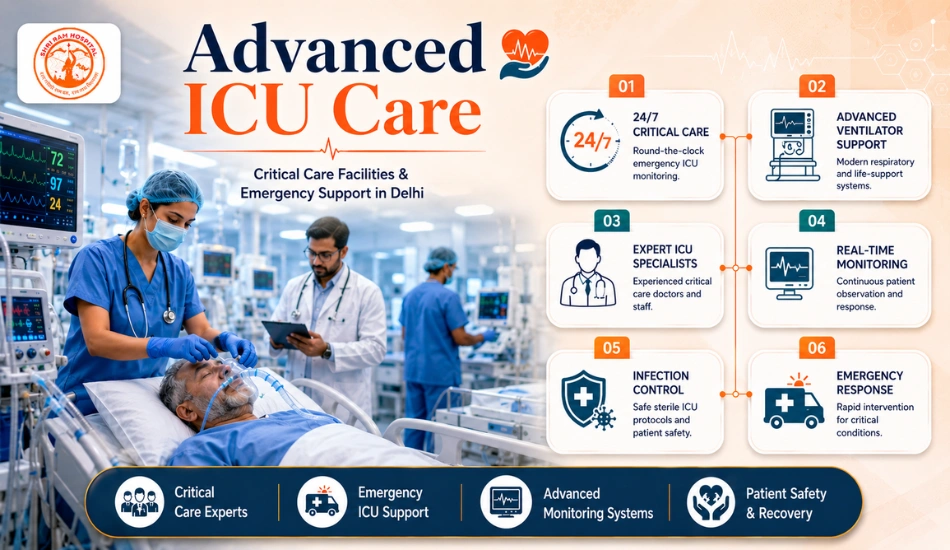
Critical illnesses and medical emergencies require immediate treatment, advanced monitoring, and specialized healthcare support. Modern Intensive Care Units (ICUs) are designed to provide life-saving care for patients facing severe health conditions such as heart attacks, stroke, respiratory failure, trauma, infections, and post-surgical complications. Choosing a hospital with Advanced ICU Care in Delhi ensures access to experienced critical care specialists, advanced life-support systems, and 24/7 emergency support. With modern ICU technology and rapid medical response, hospitals can significantly improve patient survival and recovery outcomes.
Establishing An Understanding Of Advanced ICU Care :
An Intensive Care Unit (ICU) is a highly specialized department in a hospital where critically ill patients receive continuous medical supervision and advanced treatment. ICU care is essential for patients requiring ventilator support, cardiac monitoring, emergency intervention, or post-operative observation after major surgeries. Advanced ICU facilities in Delhi are equipped with modern ventilators, digital monitoring systems, emergency response technology, and highly trained doctors and nursing staff.
Just Why ICU Care Important ?
Patients with life-threatening conditions require immediate and continuous medical attention. Advanced ICU care helps monitor vital signs in real time, prevent complications, and provide rapid emergency treatment whenever necessary. Modern critical care units also support faster diagnosis, infection control, organ support, and recovery management for critically ill patients.
Table of Contents
- Understanding Advanced ICU Care
- Importance of Critical Care Facilities
- Emergency ICU Admission Process
- Advanced ICU Equipment & Monitoring
- 24x7 Emergency & Ventilator Support
- Infection Control & Patient Safety
- Recovery and Rehabilitation Care
- Benefits of Modern ICU Facilities
Patient Preparation :
Patients admitted to the ICU often require urgent stabilization and immediate treatment. Doctors conduct emergency evaluations such as blood tests, CT scans, ECG monitoring, oxygen assessment, and organ function testing. Family members are informed about the patient's condition, treatment plan, and expected recovery process to ensure transparency and coordinated care.
The day of the magical operation :
Inside the ICU, patients receive continuous monitoring from critical care specialists, nurses, and emergency response teams. Depending on the medical condition, ICU treatment may involve ventilator support, oxygen therapy, dialysis, cardiac monitoring, IV medications, or emergency procedures. Advanced ICU systems allow doctors to respond quickly to any sudden changes in patient condition.
The Superhero Tools :
Modern ICU facilities in Delhi use advanced ventilators, multiparameter monitors, infusion pumps, defibrillators, dialysis systems, and emergency imaging technology. These tools continuously track heart rate, blood pressure, oxygen levels, respiratory function, and organ performance. Advanced ICU infrastructure ensures accurate diagnosis, better treatment decisions, and improved patient safety during critical situations.
Advanced ICU Facilities & Emergency Support
| ICU Facility | Benefits for Patients |
|---|---|
| 24x7 Critical Care Monitoring | Continuous observation by ICU doctors and nursing staff for emergency response and patient safety. |
| Modern Ventilator Support | Helps patients with breathing difficulties and respiratory failure receive advanced life support. |
| Cardiac Monitoring Systems | Real-time monitoring of heart rate, blood pressure, and oxygen levels for critically ill patients. |
| Emergency Response Team | Rapid medical intervention during sudden emergencies, trauma, or critical health complications. |
| Infection Control Protocols | Maintains sterile ICU environment to reduce the risk of hospital-acquired infections. |
| Dialysis & Organ Support | Supports patients with kidney failure or organ dysfunction during critical illness. |
| Post-Surgical ICU Care | Provides close observation and recovery support after major surgeries and operations. |
| Advanced Diagnostic Technology | Supports faster diagnosis through imaging systems, laboratory testing, and digital monitoring. |
Recovery Time :
Recovery in the ICU depends on the severity of illness, patient health condition, and response to treatment. Some patients recover within a few days, while others may require extended critical care and rehabilitation support. After stabilization, patients are transferred to regular hospital rooms for continued medical care and monitoring.
Taking Care of Yourself :
Patients recovering after ICU treatment should follow medical instructions regarding medications, nutrition, physiotherapy, and follow-up care. Family support, rehabilitation, and healthy lifestyle habits are important for long-term recovery. Managing chronic diseases such as diabetes, hypertension, and heart disease can also reduce future ICU risks.
A Guide to Feeling Better :
Choosing a hospital with advanced ICU care in Delhi ensures access to world-class critical care facilities, experienced specialists, and 24/7 emergency support. Modern ICU infrastructure, advanced ventilators, and real-time monitoring systems improve patient survival and recovery outcomes during life-threatening conditions. With expert emergency care and advanced medical technology, patients receive the highest level of support when immediate treatment matters most.
FAQs
1. What is Advanced ICU Care?
Advanced ICU care provides specialized treatment, continuous monitoring, and emergency support for critically ill patients.
2. Which patients require ICU admission?
Patients with severe infections, respiratory failure, trauma, heart attacks, stroke, or organ failure may require ICU care.
3. What equipment is used in modern ICUs?
Modern ICUs use ventilators, cardiac monitors, infusion pumps, dialysis systems, oxygen support devices, and emergency monitoring technology.
4. Is ICU care available 24 hours?
Yes, ICU departments provide 24/7 monitoring and emergency medical support by trained critical care teams.
5. How does advanced ICU care improve patient safety?
Advanced ICU care uses real-time monitoring, rapid emergency response, infection control systems, and specialized life-support equipment to improve patient outcomes.