

Introduction
A confident smile can make a lasting impression, but losing one or more teeth can affect much more than your appearance. Missing teeth can make eating difficult, alter speech, reduce self-confidence, and even lead to bone loss in the jaw over time. Fortunately, modern dental implant surgery offers a long-lasting and natural-looking solution for replacing missing teeth.
Dental implants have become the gold standard for tooth replacement because they closely mimic the function and appearance of natural teeth. Thanks to advances in digital dentistry, implant materials, and minimally invasive techniques, treatment in 2026 is more precise, comfortable, and predictable than ever before. If you're considering Dental Implant Surgery in Delhi, understanding the procedure and recovery process can help you make an informed decision.
Quick Answer
Dental implant surgery replaces missing teeth by placing a titanium implant into the jawbone, followed by a custom-made crown. With proper planning, good oral hygiene, and regular dental follow-up, implants can provide a durable, natural-looking, and long-lasting tooth replacement solution.
Table of Contents
1. What Are Dental Implants?
2. Who Needs Dental Implant Surgery?
3. Benefits of Dental Implants
4. Types of Dental Implants
5. Preparing for Dental Implant Surgery
6. Step-by-Step Dental Implant Procedure
7. Recovery After Dental Implant Surgery
8. Possible Risks and Complications
9. How Long Do Dental Implants Last?
10. Why Choose Shri Ram Hospital?
11. Frequently Asked Questions
What Are Dental Implants?
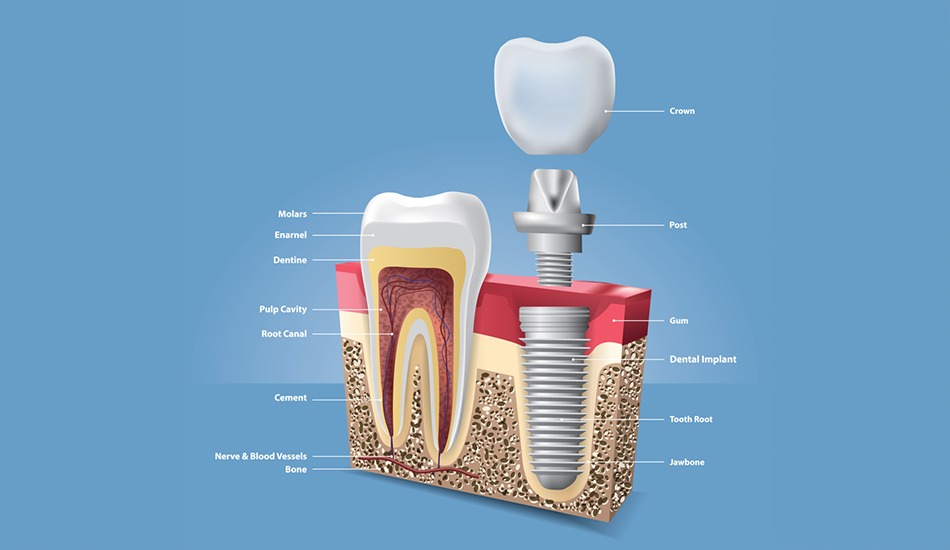
A dental implant is an artificial tooth root that is surgically placed into the jawbone. Once it fuses with the bone through a process called osseointegration, it provides a stable foundation for a dental crown, bridge, or denture.
Unlike removable dentures, dental implants are fixed in place and function much like natural teeth.
A complete implant restoration generally includes:
- Implant fixture (placed in the jawbone)
- Abutment (connector)
- Dental crown (visible replacement tooth)
Who Needs Dental Implant Surgery?
You may be a good candidate if you:
- Have one or more missing teeth.
- Have healthy gums.
- Have adequate jawbone density or are suitable for bone grafting.
- Do not have uncontrolled medical conditions that affect healing.
- Want a long-term solution instead of removable dentures.
A detailed dental examination, including X-rays or a CBCT scan, helps determine suitability.
Benefits of Dental Implants
- Natural-looking appearance
- Improved chewing ability
- Better speech
- Helps preserve jawbone
- Long-lasting tooth replacement
- Improved confidence and smile
- Does not affect adjacent healthy teeth
Types of Dental Implants
1. Endosteal Implants
The most commonly used type. These implants are placed directly into the jawbone and are suitable for patients with adequate bone support.
2. Subperiosteal Implants
Positioned on top of the jawbone beneath the gum tissue and considered for selected patients who are not suitable for bone grafting.
3. Single Tooth Implant
Used to replace one missing tooth without affecting neighboring healthy teeth.
4. Implant-Supported Bridge
Recommended when multiple adjacent teeth are missing.
5. Full-Arch Dental Implants
Suitable for patients missing most or all teeth in one jaw. Techniques such as All-on-4 or All-on-6 may be recommended in selected cases.
Preparing for Dental Implant Surgery
Dental Evaluation
Your dentist may perform:
- Oral examination
- Dental X-rays
- CBCT scan
- Gum health assessment
- Bite analysis
Medical Review
Inform your dentist about:
- Diabetes
- Heart disease
- Current medications
- Smoking habits
- Previous surgeries
Before Surgery
- Maintain good oral hygiene.
- Follow preoperative instructions.
- Avoid smoking if possible.
- Arrange transportation if sedation is planned.
- Eat according to your dentist's instructions.
Step-by-Step Dental Implant Procedure
Step 1 – Implant Placement
The implant is placed into the jawbone under local anesthesia or sedation.
Step 2 – Healing Phase
Over the next 3–6 months, the implant gradually fuses with the jawbone through osseointegration.
Step 3 – Abutment Placement
A connector is attached to the implant after healing.
Step 4 – Crown Placement
A custom-made dental crown is fixed to the implant, completing the restoration.
Recovery After Dental Implant Surgery
First 24 Hours
- Bite gently on gauze if advised.
- Take prescribed medications.
- Apply ice packs to reduce swelling.
- Eat soft foods.
- Avoid smoking.
First Week
- Maintain gentle oral hygiene.
- Avoid hard or crunchy foods.
- Attend follow-up appointments.
- Rinse as directed by your dentist.
Long-Term Care
- Brush twice daily.
- Floss regularly.
- Attend professional dental cleanings.
- Avoid tobacco products.
- Manage medical conditions such as diabetes.
Possible Risks and Complications
Dental implant surgery has a high success rate, but possible complications include:
- Infection
- Swelling
- Temporary discomfort
- Bleeding
- Implant failure (rare)
- Nerve injury (uncommon)
- Sinus complications for upper jaw implants (selected cases)
Proper planning and treatment by experienced implant specialists help reduce these risks.
How Long Do Dental Implants Last?
With good oral hygiene and regular dental check-ups, many dental implants remain functional for 15 years or longer, and many last much longer.
Longevity depends on:
- Oral hygiene
- Smoking status
- Bone health
- Regular dental follow-up
- Overall health
Why Choose Shri Ram Hospital?
If you're searching for Dental Implant Surgery in Delhi, Shri Ram Hospital offers advanced dental care with:
- Experienced dental implant specialists
- Digital diagnostic imaging
- Advanced implant planning
- Modern dental surgical facilities
- Personalized treatment plans
- Comprehensive follow-up care
- NABH-accredited multispeciality hospital
Early treatment helps restore chewing function, improve aesthetics, and preserve long-term oral health.
Frequently Asked Questions (FAQs)
Is dental implant surgery painful?
The procedure is usually performed under local anesthesia, and most patients experience only mild discomfort afterward, which is manageable with prescribed medications.
How long does the procedure take?
Implant placement generally takes 30–90 minutes per implant, depending on the complexity of the case.
How long do implants last?
With proper care, dental implants can last for many years, often 15 years or more.
Can smokers get dental implants?
Yes, but smoking increases the risk of implant failure and delayed healing. Quitting smoking improves treatment outcomes.
Is everyone suitable for dental implants?
Not always. Adequate bone support, healthy gums, and overall health are important factors in determining eligibility.
Can I eat normally after implants?
A soft diet is recommended during the initial healing period. Your dentist will guide you on when to return to your regular diet.
How successful are dental implants?
Dental implants have high long-term success rates when placed by experienced professionals and maintained with good oral hygiene.