

In the Beginning
Conditions such as phimosis (tight foreskin), recurrent infections, painful erections, or difficulty maintaining proper hygiene can significantly affect a man's comfort and quality of life. While conventional circumcision has been a trusted treatment for decades, advances in medical technology have introduced a safer and more comfortable alternative for many patients.
If you're considering Laser Circumcision in Delhi, understanding its benefits, safety, and recovery process can help you make an informed decision. At Shri Ram Hospital, Vikaspuri, experienced surgeons use advanced laser technology to perform minimally invasive circumcision with greater precision, less bleeding, and faster recovery for suitable patients.
Quick Answer
Laser circumcision is a modern minimally invasive procedure that removes the foreskin using advanced laser technology. Compared with conventional circumcision, it often results in less bleeding, reduced pain, quicker healing, minimal scarring, and earlier return to daily activities for appropriately selected patients.
Table of Contents
1. What Is Laser Circumcision?
2. Who May Need Laser Circumcision?
3. Benefits of Laser Circumcision
4. Laser Circumcision vs Traditional Circumcision
5. Is Laser Circumcision Safe?
6. Recovery Timeline
7. Tips for Faster Healing
8. Why Choose Shri Ram Hospital?
9. Frequently Asked Questions (FAQs)
What Is Laser Circumcision?
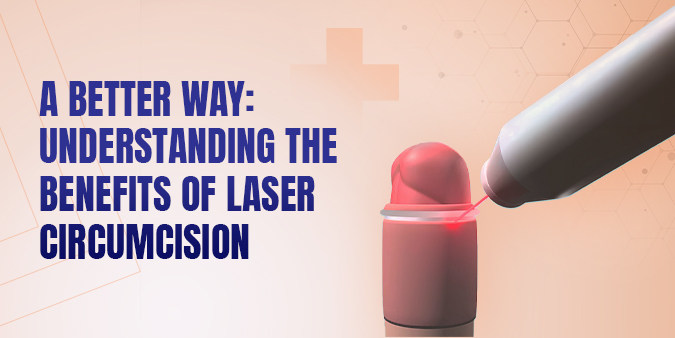
Laser circumcision is a minimally invasive surgical procedure that removes the foreskin using advanced laser technology.
The laser enables surgeons to make highly precise incisions while sealing small blood vessels during surgery, helping reduce bleeding, swelling, and tissue trauma compared with conventional methods in appropriate cases.
Most procedures are performed as day-care surgeries, allowing patients to return home on the same day.
Who May Need Laser Circumcision?
Your surgeon may recommend laser circumcision if you have:
- Phimosis (tight foreskin).
- Recurrent balanitis.
- Repeated foreskin infections.
- Difficulty maintaining proper foreskin hygiene.
- Pain during erections or intercourse.
- Paraphimosis (medical emergency requiring prompt treatment).
- Recurrent urinary tract infections associated with foreskin problems.
Some adults also choose circumcision for personal, religious, or cultural reasons after consulting a qualified surgeon.
Why Choose Laser Circumcision?
Traditional circumcision remains an effective procedure. However, many patients now prefer laser-assisted surgery because of its minimally invasive approach and faster recovery.
Top Benefits of Laser Circumcision
1. Minimal Bleeding
The laser seals small blood vessels during surgery, helping minimize blood loss.
2. Reduced Postoperative Pain
Minimal tissue trauma often leads to less discomfort during recovery.
3. Faster Recovery
Many patients return to office work and routine daily activities earlier, depending on individual healing.
4. Lower Risk of Infection
Smaller, cleaner incisions combined with proper postoperative care may reduce the chance of infection.
5. Better Cosmetic Results
Laser precision often produces a cleaner appearance after complete healing.
6. Short Procedure Time
Most laser circumcision procedures are completed within 20–40 minutes.
7. Same-Day Discharge
Most uncomplicated procedures are performed as daycare surgeries, allowing patients to recover comfortably at home.
8. Earlier Return to Routine Activities
Many patients resume desk work within a few days, although strenuous exercise and sexual activity should wait until the surgeon confirms complete healing.
Laser Circumcision vs Traditional Circumcision
| Feature | Laser Circumcision | Traditional Circumcision |
|---|---|---|
| Precision | High | Standard |
| Bleeding | Usually Less | Generally More |
| Postoperative Pain | Usually Less | Mild to Moderate |
| Recovery | Often Faster | Usually Longer |
| Hospital Stay | Day-care | Day-care / Short Stay |
| Cosmetic Outcome | Excellent | Good |
Both procedures are safe and effective when performed by experienced surgeons. The most suitable option depends on your individual medical condition.
Is Laser Circumcision Safe?
Yes. Laser circumcision is considered safe when performed by experienced surgeons using modern surgical techniques.
Like all surgical procedures, potential risks include:
- Mild swelling.
- Temporary discomfort.
- Minor bleeding.
- Infection.
- Delayed wound healing.
- Rare anesthesia-related complications.
Following postoperative instructions significantly reduces these risks.
Recovery After Laser Circumcision
First 24 Hours
- Rest at home.
- Take prescribed medications.
- Keep the dressing clean and dry.
- Avoid strenuous activities.
First Week
- Wear loose cotton underwear.
- Maintain proper hygiene.
- Attend scheduled follow-up visits.
- Avoid cycling and gym workouts.
Weeks 2–4
Many patients gradually return to:
- Walking.
- Office work.
- Light physical activities.
Complete healing generally occurs within 4–6 weeks, although recovery varies from person to person.
Tips for Faster Healing
- Follow your surgeon's postoperative instructions carefully.
- Complete the prescribed medication course.
- Drink adequate water.
- Eat a balanced, protein-rich diet.
- Avoid smoking during recovery.
- Keep the surgical area clean and dry.
- Avoid strenuous activities until medically cleared.
- Attend all follow-up appointments.
Why Choose Shri Ram Hospital?
Patients choose Shri Ram Hospital for laser circumcision because of:
- Experienced urologists and general surgeons.
- Advanced laser surgical technology.
- Modern operation theatres.
- Day-care surgical facilities.
- Personalized treatment plans.
- Comprehensive postoperative care.
- Cashless insurance assistance.
- NABH-accredited multispecialty hospital.
Patients seeking Laser Circumcision in Delhi benefit from advanced minimally invasive care focused on safety, comfort, and faster recovery.
Frequently Asked Questions (FAQs)
1. Is laser circumcision painful?
No. The procedure is performed under anesthesia. Mild discomfort afterward is usually controlled with prescribed medications.
2. How long does laser circumcision take?
Most procedures are completed within 20–40 minutes.
3. Can I go home the same day?
Yes. Most patients are discharged after a short observation period.
4. When can I return to work?
Many patients return to desk work within 2–5 days, depending on comfort and their surgeon's advice.
5. Is laser circumcision better than traditional circumcision?
For suitable patients, laser circumcision may provide less bleeding, quicker recovery, and reduced postoperative discomfort. The best option depends on your medical condition.
6. When can I exercise after surgery?
Light walking is encouraged, but strenuous exercise should be avoided until your surgeon confirms complete healing.
7. Will there be visible scars?
Laser circumcision generally results in minimal scarring, although healing differs between individuals.