

kidney stone laser treatment in Delhi
Kidney stones are one of the most common urinary tract disorders, affecting millions of people every year. These hard mineral deposits form inside the kidneys when minerals and salts crystallize in the urine. While small stones may pass naturally, larger stones can cause severe pain, urinary blockage, infection, and kidney damage if left untreated.
If you are looking for kidney stone treatment in Delhi, Shri Ram Hospital offers advanced diagnosis and minimally invasive treatment options for kidney stones. Our experienced urologists provide personalized care using modern technology, including laser kidney stone treatment and other advanced stone removal procedures, to help patients recover quickly and safely.
Whether you need consultation for kidney stone symptoms or require kidney stone removal surgery, our multidisciplinary team is committed to providing comprehensive kidney care with the highest standards of patient safety.
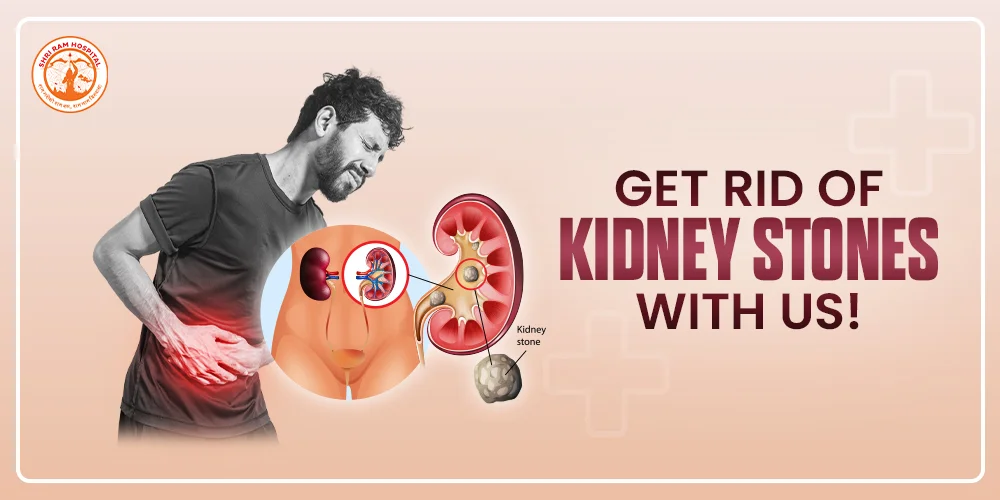
What Are Kidney Stones?
Kidney stones are hard deposits made of minerals and salts that develop inside the kidneys. They form when certain minerals present in the urine become highly concentrated, crystallize, and gradually stick together. Kidney stones can range in size from tiny crystals to stones several centimeters in diameter.
Some kidney stones remain inside the kidneys without causing any symptoms. However, when a stone moves into the ureter (the tube connecting the kidney to the bladder), it can block the normal flow of urine, leading to severe pain, discomfort, and difficulty while passing urine.
Early diagnosis and timely treatment are essential to prevent complications such as urinary tract infections (UTIs), kidney obstruction, hydronephrosis, reduced kidney function, or permanent kidney damage. Prompt medical care helps preserve kidney health and improves long-term treatment outcomes.
Symptoms of Kidney Stones
The symptoms of kidney stones depend on the size, location, and movement of the stone. While small stones may pass naturally without causing noticeable symptoms, larger stones can block the urinary tract and cause severe pain and urinary problems.
Common Symptoms of Kidney Stones
Severe Pain in the Back or Side: Sudden and intense pain in the lower back or side below the ribs is one of the most common signs of a kidney stone. The pain may come in waves as the stone moves through the urinary tract.
Pain Radiating to the Lower Abdomen or Groin: As the kidney stone travels downward, the pain may spread from the back to the lower abdomen, pelvis, or groin area.
Burning Sensation During Urination: A burning or stinging feeling while passing urine often occurs when the stone reaches the lower part of the urinary tract.
Blood in Urine: Kidney stones can irritate the lining of the urinary tract, causing blood to appear in the urine. The urine may look pink, red, or brown in color.
Frequent Urge to Urinate: Patients may feel the need to urinate more often than usual, even if only a small amount of urine is passed each time.
Painful Urination: Passing urine may become painful as the stone moves closer to the bladder or urethra.
Cloudy or Foul-Smelling Urine: Cloudy urine or a strong unpleasant smell may indicate an associated urinary tract infection that requires medical evaluation.
Nausea and Vomiting: Severe kidney stone pain can stimulate nearby nerves, leading to nausea and episodes of vomiting.
Fever and Chills: Fever with chills may indicate a kidney infection associated with the stone. This is considered a medical emergency and requires immediate treatment.
If you experience severe pain, persistent vomiting, fever, or difficulty passing urine, seek immediate medical attention to prevent serious complications.
Causes of Kidney Stones
Kidney stones develop when urine contains high concentrations of minerals and salts that crystallize and stick together. Several dietary habits, lifestyle factors, and medical conditions can increase the risk of kidney stone formation.
Common Causes of Kidney Stones
Inadequate Water Intake: Drinking too little water causes urine to become concentrated, making it easier for minerals to form crystals and eventually develop into kidney stones.
High Salt Diet: Excessive salt intake increases the amount of calcium in the urine, which significantly raises the risk of kidney stone formation.
Excess Animal Protein: A diet rich in red meat, poultry, and seafood can increase uric acid levels while reducing protective substances in urine, making stone formation more likely.
High Oxalate Foods: Foods such as spinach, nuts, chocolate, tea, and beetroot contain oxalates that may contribute to calcium oxalate stone formation in susceptible individuals.
Obesity: Being overweight or obese can alter the body's metabolism and urine composition, increasing the likelihood of developing kidney stones.
Diabetes: Poorly controlled diabetes can change urine acidity and increase the risk of certain types of kidney stones.
Family History: People with a family history of kidney stones have a higher chance of developing the condition due to inherited genetic and metabolic factors.
Recurrent Urinary Infections: Repeated urinary tract infections may lead to the formation of infection-related stones, especially struvite stones.
Certain Medications: Some medicines and dietary supplements may increase the concentration of stone-forming minerals in urine, contributing to kidney stone development.
Metabolic Disorders: Certain metabolic conditions affect the body's ability to process minerals properly, increasing the risk of recurrent kidney stones.
Maintaining good hydration by drinking enough water every day is one of the simplest and most effective ways to reduce the risk of kidney stone formation and support overall kidney health.
Types of Kidney Stones
Kidney stones are classified into different types based on their chemical composition. Identifying the type of stone helps doctors recommend the most appropriate treatment as well as preventive measures to reduce the risk of recurrence.
Different Types of Kidney Stones
| Type of Kidney Stone | Description |
|---|---|
| Calcium Stones | The most common type of kidney stone, usually composed of calcium oxalate. These stones are often linked to dehydration, high oxalate intake, or excess calcium in the urine. |
| Uric Acid Stones | These stones commonly occur in people with dehydration, gout, diabetes, or those who consume a high-protein diet. |
| Struvite Stones | Usually develop after repeated urinary tract infections and can grow rapidly if not treated promptly. |
| Cystine Stones | A rare type of inherited kidney stone caused by a genetic disorder called cystinuria, which leads to excessive cystine in the urine. |
Understanding the type of kidney stone helps doctors recommend personalized dietary advice, medications, and lifestyle modifications to prevent future stone formation after successful treatment.
Diagnosis of Kidney Stones
Accurate diagnosis is the first step toward successful kidney stone treatment. At Shri Ram Hospital, our experienced urologists use advanced diagnostic facilities to determine the size, number, location, and type of kidney stones before recommending the most appropriate treatment plan.
Early diagnosis helps prevent complications such as urinary tract infections, kidney obstruction, reduced kidney function, and permanent kidney damage. A detailed evaluation also helps doctors choose the safest and most effective treatment for every patient.
Investigations for Kidney Stone Diagnosis
| Diagnostic Test | Purpose |
|---|---|
| Medical History and Physical Examination | The doctor evaluates your symptoms, previous medical history, dietary habits, family history, and performs a physical examination to understand the condition. |
| Urine Examination | Helps detect blood, infection, crystals, and minerals that may contribute to kidney stone formation. |
| Blood Tests | Blood investigations assess kidney function and identify abnormal levels of calcium, uric acid, and other minerals. |
| Ultrasound | A safe, painless imaging test used to identify kidney stones and detect urinary blockage or swelling of the kidneys. |
| Digital X-ray | Used to detect certain types of kidney stones and monitor their size and movement during treatment. |
| CT KUB Scan | A highly accurate imaging test that provides detailed images of the kidneys, ureters, and bladder to identify stone size, location, and severity. |
| Stone Analysis After Removal | The removed stone is analyzed to determine its composition, helping doctors recommend personalized preventive measures. |
Accurate diagnosis allows our specialists to prepare a personalized treatment plan based on the patient's symptoms, diagnostic reports, and overall health condition.
Kidney Stone Treatment in Delhi
The most suitable kidney stone treatment in Delhi depends on several medical factors. Every patient is different, so treatment is personalized according to the size and location of the stone, severity of symptoms, and overall kidney health.
Factors That Determine the Treatment Plan
| Factor | Why It Is Important |
|---|---|
| Stone Size | Small stones may pass naturally, whereas larger stones often require minimally invasive surgical treatment. |
| Stone Location | The location of the stone helps doctors decide the safest and most effective treatment technique. |
| Severity of Symptoms | Persistent pain, bleeding, urinary blockage, or repeated infections may require immediate intervention. |
| Presence of Infection | If a kidney stone is associated with infection, urgent medical treatment may be necessary to prevent serious complications. |
| Kidney Function | Doctors carefully evaluate kidney function before selecting the most appropriate treatment option. |
| Overall Health | The patient's age, medical history, and existing health conditions are also considered during treatment planning. |
Our experienced urologists recommend a personalized treatment plan after carefully reviewing your symptoms, imaging reports, laboratory investigations, and overall clinical condition.
Non-Surgical Treatment for Kidney Stones
Small kidney stones often pass naturally with conservative treatment. Non-surgical management focuses on relieving pain, helping the stone pass safely, and preventing further stone growth.
Non-Surgical Treatment Options
Increased Water Intake: Drinking plenty of water increases urine flow, helping small kidney stones pass naturally through the urinary tract.
Pain-Relieving Medicines: Doctors may prescribe pain medications to reduce discomfort while the stone passes naturally.
Medicines to Relax the Ureter: Certain medications relax the muscles of the ureter, allowing the stone to move more easily into the bladder.
Dietary Modifications: Reducing salt intake, limiting stone-forming foods, and following a balanced diet can help prevent stone progression and recurrence.
Regular Follow-Up Imaging: Periodic ultrasound or X-ray examinations help monitor the stone's movement and determine whether further treatment is required.
Patients should always consult a qualified urologist before taking any medication or attempting home remedies for kidney stones.
Kidney Stone Removal Surgery
Large kidney stones or stones causing persistent pain, urinary blockage, repeated infections, or reduced kidney function usually require kidney stone removal surgery. Modern minimally invasive procedures offer excellent success rates with faster recovery and minimal discomfort.
Modern Kidney Stone Removal Procedures
Ureteroscopy (URS)
Ureteroscopy (URS): A thin telescope is passed through the urinary tract to locate the kidney stone. The stone is either removed directly or broken into smaller pieces using advanced laser technology.
Retrograde Intrarenal Surgery (RIRS)
Retrograde Intrarenal Surgery (RIRS): A flexible endoscope reaches the kidney through the natural urinary passage, where a laser breaks the stone into tiny fragments that can be removed or passed naturally.
Percutaneous Nephrolithotomy (PCNL)
Percutaneous Nephrolithotomy (PCNL): This procedure is recommended for large or complex kidney stones. A small incision is made in the back to remove the stone using specialized surgical instruments.
Shock Wave Lithotripsy (ESWL)
Shock Wave Lithotripsy (ESWL): High-energy shock waves are focused on the kidney stone to break it into tiny fragments, allowing them to pass naturally through urine without major surgery.
Our specialists recommend the most suitable procedure after evaluating the size, location, and complexity of the kidney stone along with the patient's overall health.
Laser Kidney Stone Treatment
Laser kidney stone treatment is one of the most advanced and effective techniques for removing kidney stones. It provides high precision, faster recovery, and significantly less discomfort compared to conventional surgical procedures.
During laser lithotripsy, a thin flexible scope is inserted through the natural urinary tract to reach the stone. Laser energy is then used to break the stone into tiny dust-like particles, which are either removed during the procedure or passed naturally through urine.
Benefits of Laser Kidney Stone Treatment
Minimally Invasive Procedure: No large surgical incision is required, resulting in faster healing and reduced tissue damage.
High Precision: Laser technology accurately targets the stone while protecting surrounding healthy tissues.
Less Pain: Patients usually experience significantly less pain compared to traditional open surgery.
Minimal Bleeding: The advanced laser procedure causes very little blood loss, making it a safer treatment option.
Faster Recovery: Most patients recover quickly and can resume their normal routine within a short period.
Short Hospital Stay: Depending on the patient's condition, many individuals are discharged within 24 hours after treatment.
Lower Risk of Complications: The minimally invasive nature of laser treatment reduces the chances of infection and other surgical complications.
Quick Return to Daily Activities: Most patients can return to work and daily activities much earlier compared to traditional surgery.
Laser kidney stone treatment is suitable for many patients, but the final treatment decision depends on the stone's size, location, number, and the overall clinical evaluation by the urologist.
Kidney Stone Laser Treatment Cost
Many patients ask about the kidney stone laser treatment cost or kidney stone laser operation cost before planning treatment. The overall cost varies depending on several medical and treatment-related factors.
Factors Affecting Kidney Stone Laser Treatment Cost
| Factor | How It Affects the Cost |
|---|---|
| Stone Size and Complexity | Larger or multiple stones generally require more advanced procedures and longer operating time. |
| Type of Laser Procedure | The surgical technique selected by the urologist influences the overall treatment cost. |
| Number of Stones | Multiple stones may increase the complexity and duration of the procedure. |
| Hospital Stay | The length of hospitalization contributes to the total treatment expense. |
| Diagnostic Investigations | Blood tests, imaging, and laboratory investigations are included as part of the treatment process. |
| Patient's Medical Condition | Associated health conditions may require additional care, monitoring, or supportive treatment. |
| Insurance or Government Health Scheme Eligibility | Eligible patients may receive partial or cashless treatment benefits under approved healthcare schemes. |
A detailed treatment estimate is provided after consultation, physical examination, and diagnostic evaluation so that patients clearly understand their treatment plan and expected expenses.
Stone Removal Procedure
The primary goal of kidney stone removal is to eliminate the obstruction, relieve pain, preserve kidney function, and prevent future complications. Modern minimally invasive procedures have transformed kidney stone treatment by offering safer surgery, faster recovery, and improved patient outcomes.
The most appropriate stone removal procedure is selected after evaluating the size, location, number of stones, kidney function, and the patient's overall health. Our experienced urologists recommend a personalized treatment plan to ensure the best possible results.
Goals of Kidney Stone Removal
Relieve Urinary Obstruction: Removing the stone restores the normal flow of urine, reduces pressure on the kidneys, and helps prevent further complications.
Reduce Severe Pain: Kidney stone removal eliminates the source of intense pain and significantly improves the patient's comfort and quality of life.
Protect Kidney Function: Timely treatment helps preserve normal kidney function and reduces the risk of permanent kidney damage caused by prolonged obstruction.
Prevent Future Complications: Removing the stone lowers the risk of repeated urinary infections, kidney swelling, bleeding, and emergency hospital admissions.
Reduce the Risk of Recurrence: After successful stone removal, doctors may recommend dietary modifications, medications, and lifestyle changes to minimize the chances of developing new kidney stones.
Compared to traditional open surgery, modern minimally invasive procedures result in less pain, minimal bleeding, smaller incisions, shorter hospital stays, and quicker return to normal daily activities.
Why Choose Shri Ram Hospital for Kidney Stone Treatment in Delhi?
Patients searching for the best kidney stone hospital in Delhi or the best hospital for kidney stone treatment in Delhi choose Shri Ram Hospital because of our experienced urology specialists, advanced laser technology, modern infrastructure, and patient-centered approach.
We provide complete kidney stone care under one roof—from accurate diagnosis and advanced minimally invasive surgery to post-treatment follow-up and preventive guidance.
Why Patients Trust Shri Ram Hospital
| Our Expertise | Patient Benefits |
|---|---|
| Experienced Urologists | Highly qualified specialists experienced in treating simple as well as complex kidney stone cases. |
| Advanced Laser Stone Treatment | Latest laser technology ensures precise stone removal with minimal discomfort and faster recovery. |
| Modern Operation Theatres | State-of-the-art modular operation theatres equipped for advanced urological procedures. |
| High-Definition Endoscopic Equipment | Advanced imaging systems provide greater precision during diagnosis and minimally invasive surgery. |
| Comprehensive Diagnostic Facilities | Complete laboratory and imaging services ensure accurate diagnosis and effective treatment planning. |
| Personalized Treatment Plans | Customized treatment recommendations based on the patient's condition, stone characteristics, and medical history. |
| 24×7 Emergency Care | Round-the-clock emergency services for severe kidney stone pain and urgent urological conditions. |
| ICU Backup | Advanced intensive care support for patients requiring specialized monitoring and post-operative care. |
| NABH-Quality Patient Care | Strict patient safety protocols and quality healthcare standards throughout the treatment journey. |
| Comprehensive Post-Treatment Follow-Up | Regular follow-up consultations, dietary guidance, and preventive care to reduce the risk of stone recurrence. |
Our multidisciplinary team is committed to delivering safe, evidence-based, and compassionate kidney stone treatment with excellent clinical outcomes and high patient satisfaction.
Kidney Stone Treatment in Panel Hospital
Shri Ram Hospital provides kidney stone treatment for eligible patients under various government-approved healthcare panels and insurance schemes, subject to hospital empanelment and applicable guidelines.
Patients are encouraged to contact the hospital before admission to confirm their eligibility, required documents, treatment coverage, and the availability of cashless hospitalization facilities.
Treatment Available Under Eligible Healthcare Panels
Government Health Schemes: Eligible patients may receive treatment under approved government healthcare schemes according to the applicable guidelines and hospital empanelment.
Cashless Treatment Facility: Depending on the insurance provider or healthcare panel, eligible patients may be able to receive cashless hospitalization and surgical treatment.
Documentation Assistance: Our hospital team assists patients in understanding documentation requirements and completing the necessary formalities before treatment.
Treatment availability under any healthcare panel is subject to the latest empanelment status, policy terms, and patient eligibility criteria.
Recovery After Kidney Stone Removal
Recovery after kidney stone removal depends on the procedure performed, the size of the stone, and the patient's overall health. Most patients recover quickly after minimally invasive procedures and are able to resume their daily activities within a short period.
Following your doctor's instructions, taking prescribed medications, and attending follow-up appointments play an important role in ensuring a smooth recovery and preventing future stone formation.
Recovery Timeline After Kidney Stone Treatment
| Recovery Milestone | Expected Recovery |
|---|---|
| Walking After Treatment | Most patients are able to walk within a few hours after the procedure. |
| Light Daily Activities | Routine household activities can usually be resumed within two to three days, depending on the procedure. |
| Return to Work | Most patients can return to office work within one to two weeks after successful treatment. |
| Normal Kidney Function | With proper treatment and regular follow-up, normal kidney function is generally maintained. |
Post-Treatment Care Tips
Drink Plenty of Fluids: Adequate hydration helps flush out remaining stone fragments and supports faster healing of the urinary system.
Take Prescribed Medicines: Complete all medications exactly as advised by your doctor to reduce pain, prevent infection, and promote recovery.
Follow Dietary Recommendations: A balanced diet with reduced salt intake and appropriate nutritional guidance can help prevent future kidney stones.
Attend Follow-Up Appointments: Regular follow-up visits allow doctors to monitor recovery, evaluate kidney function, and detect any recurrence at an early stage.
How to Prevent Kidney Stones
Although kidney stones cannot always be prevented, adopting healthy lifestyle habits can significantly reduce the risk of stone formation and lower the chances of recurrence after successful treatment.
Tips to Prevent Kidney Stones
Drink 2–3 Litres of Water Daily: Unless otherwise advised by your doctor, adequate water intake helps dilute urine and prevents minerals from forming crystals.
Reduce Salt Intake: Limiting sodium consumption helps reduce calcium levels in urine, lowering the risk of kidney stone formation.
Eat a Balanced Diet: Include fresh fruits, vegetables, whole grains, and adequate dietary calcium while avoiding excessive processed foods.
Limit High-Oxalate Foods: If recommended by your doctor, reduce foods such as spinach, chocolate, nuts, beetroot, and tea that may contribute to calcium oxalate stone formation.
Maintain a Healthy Weight: Maintaining an ideal body weight through proper nutrition and regular physical activity helps reduce the likelihood of developing kidney stones.
Exercise Regularly: Routine physical activity supports overall metabolic health and contributes to healthy kidney function.
Manage Diabetes and Blood Pressure: Keeping chronic medical conditions under control helps protect kidney health and reduces the risk of future stone formation.
Attend Regular Follow-Up Appointments: Patients with a previous history of kidney stones should undergo periodic medical evaluation to detect recurrence early and receive preventive guidance.
Following these healthy lifestyle measures, staying well hydrated, and seeking timely medical advice can significantly reduce the risk of kidney stone recurrence while promoting long-term kidney health.
Book an Appointment