Deep Vein Thrombosis (DVT) Surgical Treatment in Vikaspuri
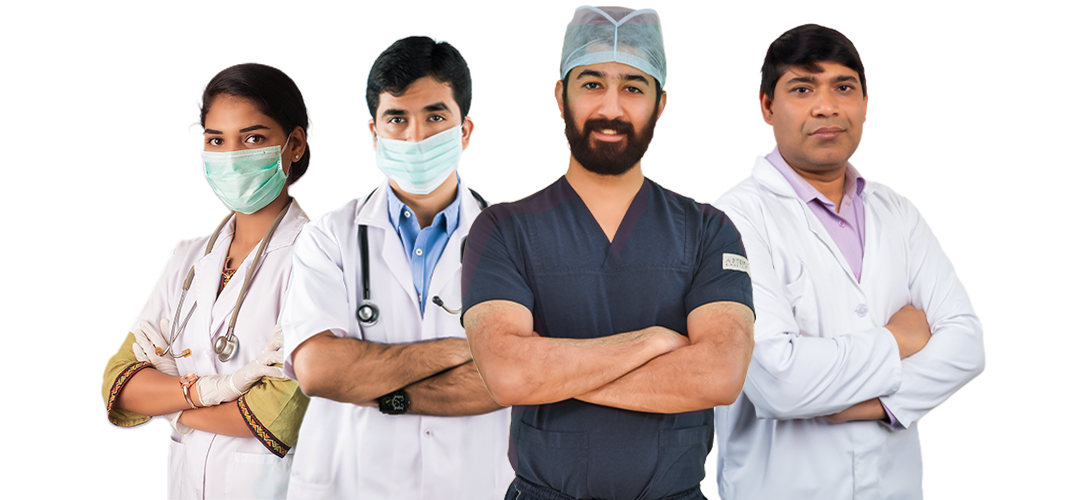
Shri Ram Hospital offers specialized surgical interventions for deep vein thrombosis (DVT), providing lifesaving care for patients at risk of serious complications. The hospital's vascular surgeons are adept at procedures to remove clots, improve venous flow, and prevent post-thrombotic syndrome, utilizing both traditional and advanced interventional techniques.
Treatment for DVT at Shri Ram Hospital is customized to the severity and location of the clot, with options including thrombectomy, catheter-directed thrombolysis, and the placement of inferior vena cava (IVC) filters. These procedures aim to rapidly alleviate symptoms, resolve the thrombosis, and reduce the risk of pulmonary embolism.
Postoperative management is a key aspect of DVT care, with patients receiving anticoagulation therapy, monitoring for recurrence, and education on risk factor reduction. The hospital's comprehensive approach ensures that each patient receives the attention and support necessary for a safe and effective recovery from DVT.
What Is Deep Vein Thrombosis (DVT)?
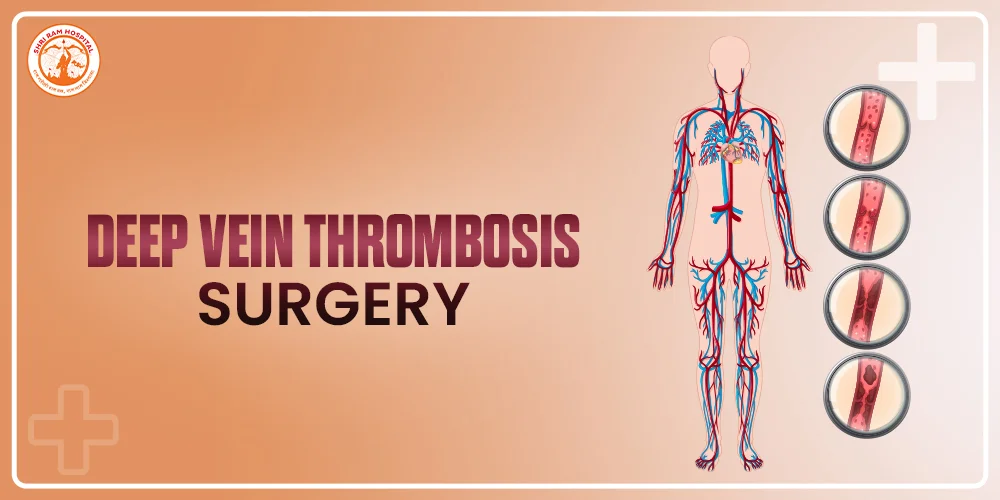
Deep Vein Thrombosis (DVT): Deep Vein Thrombosis occurs when a blood clot forms in a deep vein, most commonly in the legs. This clot can partially or completely block blood flow, leading to swelling, pain, and other complications.
Serious complications: If left untreated, the clot may break loose and travel through the bloodstream to the lungs, causing a condition called pulmonary embolism, which can be a life-threatening medical emergency.
Symptoms of Deep Vein Thrombosis
Swelling in one leg: One of the most common signs of DVT is swelling in the affected leg caused by restricted blood flow.
Pain or tenderness in the leg: Patients may feel pain, soreness, or tenderness, especially while standing or walking.
Warmth in the affected area: The skin over the clot may feel warmer than surrounding areas.
Red or discolored skin: The affected leg may appear red, bluish, or discolored due to reduced circulation.
Heavy feeling in the leg: Some people experience heaviness or tightness in the affected limb.
In some cases, individuals may not notice symptoms until complications occur.
Causes of Deep Vein Thrombosis
Reduced blood flow: DVT develops when blood flow slows down or when blood becomes more likely to clot.
Prolonged sitting or immobility: Staying in the same position for long periods, such as during travel or bed rest, can increase the risk.
Injury or surgery affecting veins: Damage to veins during surgery or injury can trigger clot formation.
Blood clotting disorders: Certain medical conditions can increase the tendency of blood to clot.
Certain medications: Some medications may affect blood clotting mechanisms.
Pregnancy: Increased pressure on veins during pregnancy can slow blood flow.
Obesity: Excess body weight can increase pressure on veins and affect circulation.
Damage to a vein caused by surgery, infection, or inflammation can also increase the risk of clot formation.
Risk Factors for DVT
Long periods of inactivity: Sitting or lying down for extended periods can slow blood circulation.
Smoking: Smoking damages blood vessels and increases the risk of clot formation.
Advanced age: Older adults have a higher risk due to natural changes in blood vessels.
Family history of blood clots: Genetic factors may increase susceptibility to DVT.
Cancer or chronic illnesses: Certain medical conditions can increase the risk of clotting.
People who travel long distances or remain seated for extended periods may also have a higher risk of developing DVT.
Treatment Options for Deep Vein Thrombosis
Medication: Doctors commonly prescribe anticoagulant medications, also known as blood thinners, to prevent the clot from growing and to reduce the risk of pulmonary embolism.
Surgical treatment for DVT: In severe cases or when medication is not effective, surgical procedures may be required to remove or dissolve the clot.
Thrombectomy: This surgical procedure removes the blood clot from the affected vein to restore normal blood circulation.
Catheter-directed thrombolysis: A minimally invasive technique where a catheter delivers clot-dissolving medication directly to the clot.
IVC filter placement: A small filter may be inserted into a large vein to prevent blood clots from traveling to the lungs.
These procedures help restore blood flow and reduce the risk of serious complications.
Benefits of Modern DVT Surgery
Faster restoration of blood flow: Advanced procedures quickly restore circulation in the affected vein.
Reduced risk of pulmonary embolism: Proper treatment lowers the chance of clots reaching the lungs.
Minimally invasive treatment options: Modern techniques often involve smaller incisions and less tissue damage.
Faster recovery: Patients usually recover more quickly compared to traditional surgical procedures.
Lower risk of long-term vein damage: Early treatment helps preserve vein function and prevent complications.
Recovery After DVT Surgery
Post-treatment care: Recovery depends on the treatment method used and the patient’s overall health.
Medication and prevention: Patients may need blood-thinning medication to prevent new clots from forming.
Compression stockings: Wearing compression stockings helps improve blood circulation and reduce swelling.
Lifestyle changes: Regular movement, exercise, and maintaining a healthy weight can support recovery and prevent recurrence.
Follow-up visits: Regular medical checkups help monitor healing and ensure proper circulation.
Many patients can gradually return to normal activities once blood flow improves.
Why Choose Shriram Hospital for DVT Treatment?
Experienced vascular surgeons: The hospital has skilled specialists experienced in treating vascular conditions.
Advanced diagnostic and surgical technology: Modern equipment helps provide accurate diagnosis and effective treatment.
Modern operation theatres: Surgeries are performed in well-equipped and safe operating environments.
Comprehensive patient care: Patients receive complete care from diagnosis to recovery and follow-up treatment.
Shriram Hospital focuses on providing specialized treatment aimed at restoring blood circulation and preventing complications related to blood clots.
When Should You See a Doctor?
Sudden swelling in one leg: Unexplained swelling may indicate a blood clot.
Severe leg pain or tenderness: Persistent pain in the leg should be evaluated by a specialist.
Warm or red skin on the leg: Skin that feels warm or appears red may signal circulation problems.
Shortness of breath or chest pain: These symptoms may indicate a pulmonary embolism and require immediate medical attention.
Early diagnosis and treatment can prevent serious complications and improve treatment outcomes.
Book an Appointment