
Laser Anal Fissure Treatment in Vikaspuri, Delhi
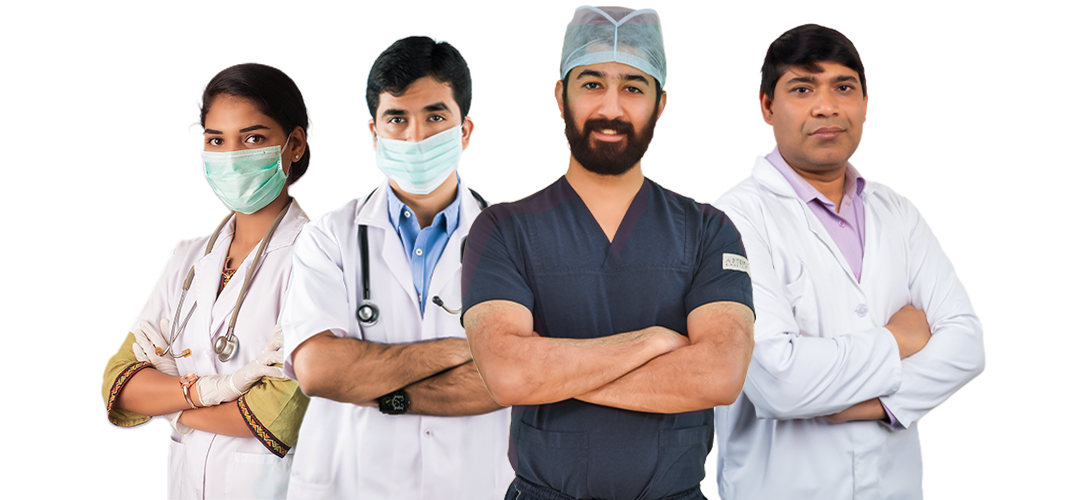
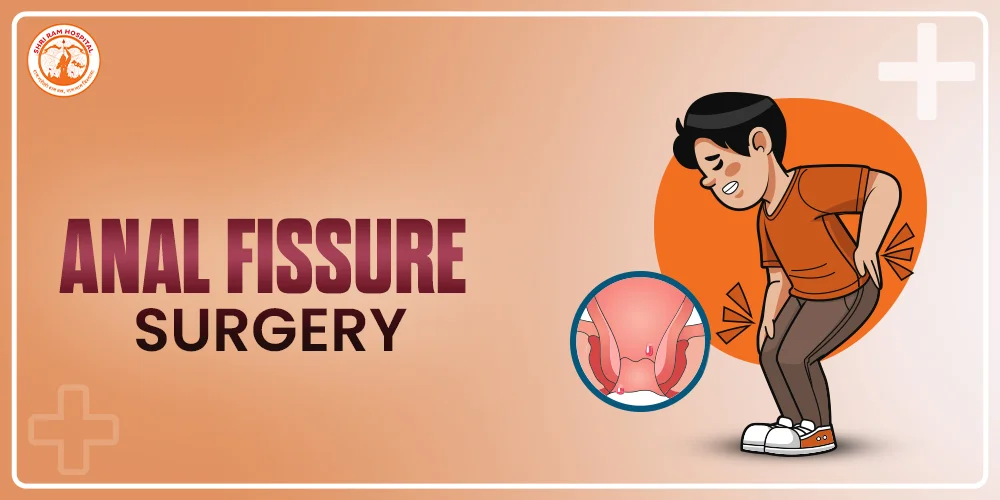
At Shri Ram Hospital, patients experiencing severe or chronic anal fissures receive expert surgical care designed to alleviate pain and facilitate healing. The hospital's surgeons are proficient in performing lateral internal sphincterotomy, the gold standard for anal fissure surgery, which offers a high success rate in relieving symptoms and promoting long-term healing. By prioritizing minimally invasive techniques, the hospital ensures shorter recovery times and reduced post-operative discomfort.
The patient experience is at the forefront of Shri Ram Hospital's approach to anal fissure surgery. From the initial consultation, patients are guided through the diagnostic process, treatment options, and surgical procedures with empathy and clarity. The hospital's environment is designed to provide comfort and reassurance, with a focus on patient education to foster informed decision-making and reduce anxiety.
Following surgery, patients at Shri Ram Hospital receive attentive post-operative care, including pain management, wound care, and guidance on bowel management to prevent recurrence. The hospital's commitment to comprehensive care extends beyond the surgical outcome, with follow-up visits to ensure complete healing and patient satisfaction. Through expert surgical intervention and dedicated patient support, Shri Ram Hospital offers a pathway to relief and recovery for individuals suffering from anal fissures.
What is an Anal Fissure?
Anal Fissure: An anal fissure is a small tear in the thin lining of the anus that can cause intense pain and rectal bleeding, especially during bowel movements.
How it develops: This condition usually occurs when the anal tissue is stretched or injured, commonly due to hard stools or chronic constipation.
Treatment requirement: While some fissures heal on their own with proper care, chronic fissures may require medical treatment or surgery to prevent long-term discomfort and complications.
Common Symptoms of Anal Fissure
Sharp pain during bowel movements: One of the most common symptoms is severe or sharp pain while passing stool.
Bleeding while passing stool: Small amounts of bright red blood may appear on toilet paper or in the stool.
Burning sensation or itching: Patients may experience irritation, burning, or itching around the anal region.
Visible crack or tear: In some cases, a small crack or tear may be visible around the anal opening.
Spasm in the anal muscles: Muscle spasms in the anal sphincter can increase discomfort and delay healing.
Ignoring these symptoms may lead to chronic fissures and recurring pain.
Causes of Anal Fissure
Chronic constipation: Long-term constipation can cause hard stools that stretch and damage the anal lining.
Passing large or hard stools: Large or dry stools can create excessive pressure on the anal tissue, leading to tears.
Frequent diarrhea: Repeated diarrhea can irritate and weaken the anal lining.
Straining during bowel movements: Excessive straining increases pressure in the anal canal and may cause fissures.
Low-fiber diet: A diet lacking fiber often leads to hard stools and constipation.
Pregnancy or childbirth: Increased abdominal pressure during pregnancy or childbirth may sometimes contribute to fissure development.
Hard stools and constipation are among the most common causes because they stretch and damage the anal lining.
Treatment Options for Anal Fissure
Medication and lifestyle changes: Early-stage fissures can often be treated with conservative methods such as a high-fiber diet, stool softeners, pain-relieving ointments, and warm sitz baths.
Many fissures heal within a few weeks when proper care and dietary changes are followed.
Advanced laser surgery for fissure: For chronic fissures that do not respond to medication, laser surgery may be recommended.
Laser treatment is a minimally invasive procedure that uses focused laser energy to remove damaged tissue and promote faster healing.
This modern technique helps reduce pain and allows patients to recover more quickly compared to traditional surgical methods.
Benefits of Laser Anal Fissure Surgery
Minimally invasive procedure: Laser treatment involves smaller incisions and less tissue damage.
Less pain and bleeding: Patients typically experience reduced pain and minimal bleeding after the procedure.
Faster healing time: Recovery is generally quicker, allowing patients to return to daily activities sooner.
Reduced risk of infection: Laser technology helps lower the chances of infection and complications.
Short hospital stay: Most procedures require only a short hospital stay or can be performed as day-care surgery.
Laser procedures precisely target the fissure while protecting surrounding healthy tissues, resulting in faster recovery.
Recovery After Anal Fissure Surgery
Quick recovery period: Recovery after fissure surgery is usually fast, and most patients can return to normal activities within 1–2 weeks.
Complete healing time: Although patients resume daily activities early, complete healing may take several weeks depending on the condition.
Following medical advice such as maintaining a fiber-rich diet, staying hydrated, and practicing proper hygiene can help speed up the healing process.
Why Choose Shriram Hospital for Anal Fissure Treatment?
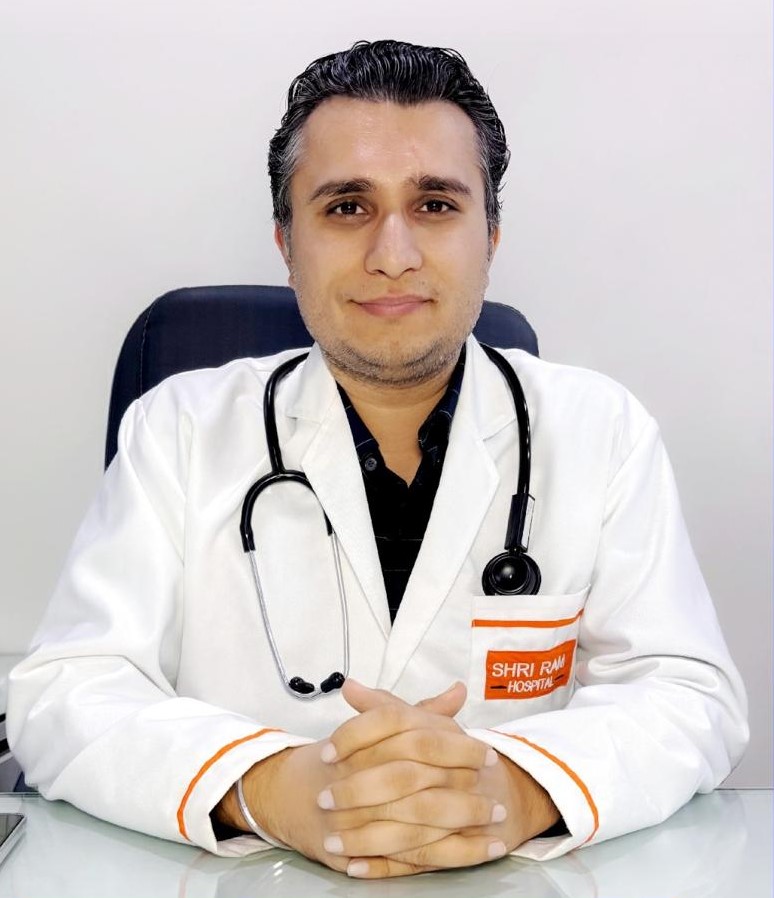
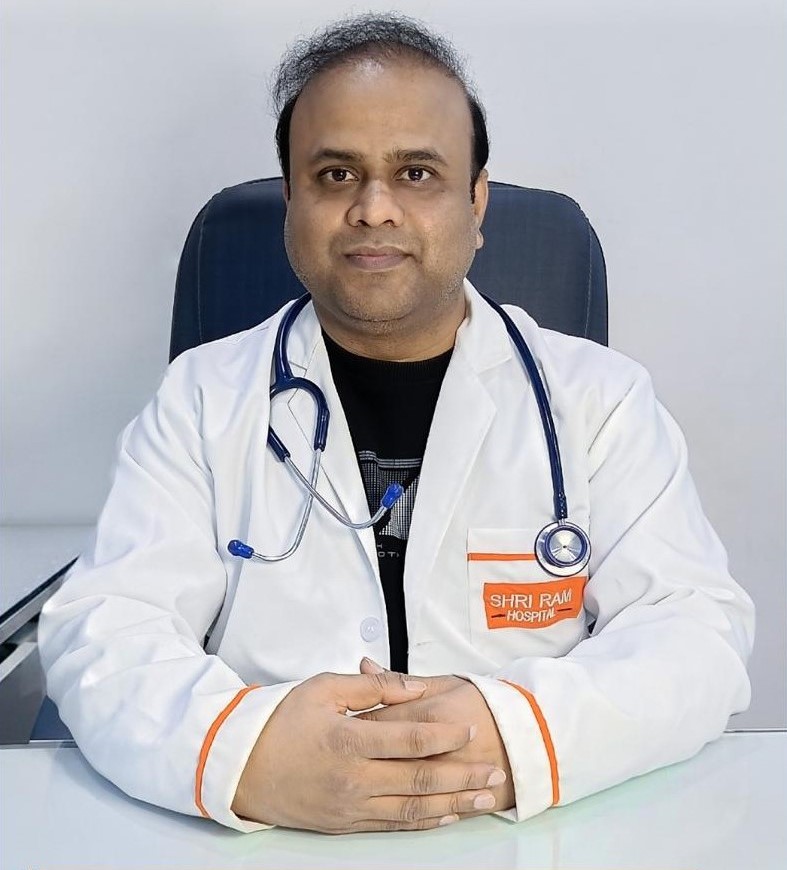
Experienced surgeons: Our hospital has skilled specialists experienced in advanced proctology treatments.
Modern diagnostic and surgical technology: We use advanced medical equipment for accurate diagnosis and safe treatment.
Advanced laser treatment options: Patients benefit from modern minimally invasive laser procedures.
Patient-focused care: Our team provides personalized treatment and recovery support for every patient.
Convenient location: Shriram Hospital is easily accessible for patients living in Vikaspuri and West Delhi.
Our goal is to provide safe, effective, and comfortable treatment with faster recovery for patients suffering from anal fissure.
Book an Appointment