

Best Surgeon for Anal Fistula Treatment in Delhi
Anal fistula surgery at Shri Ram Hospital is performed using cutting-edge techniques by a skilled team of colorectal specialists, ensuring high success rates and improved patient comfort. The hospital is equipped with state-of-the-art facilities where surgeons employ both traditional and advanced procedures like the Video-Assisted Anal Fistula Treatment (VAAFT) to address complex fistulas with precision and care, minimizing the risk of recurrence and promoting faster healing.
The surgeons at Shri Ram Hospital are adept at tailoring the treatment to the severity and type of fistula, ensuring the best possible outcomes while preserving anal function. Comprehensive diagnostic evaluations, including MRI and endoanal ultrasound, facilitate accurate mapping of the fistula tract, enabling targeted surgical intervention. The collaborative care model ensures that each patient benefits from a multidisciplinary approach, addressing all aspects of their condition.
Post-operative recovery at Shri Ram Hospital is supported by a dedicated team of nurses and therapists, providing personalized care to enhance healing and comfort. Patients receive detailed instructions for at-home care, along with follow-up appointments to ensure optimal recovery. Education on preventive measures and lifestyle adjustments is also provided to support long-term health, reinforcing Shri Ram Hospital's commitment to patient-centered care in anal fistula surgery.
What is an Anal Fistula?
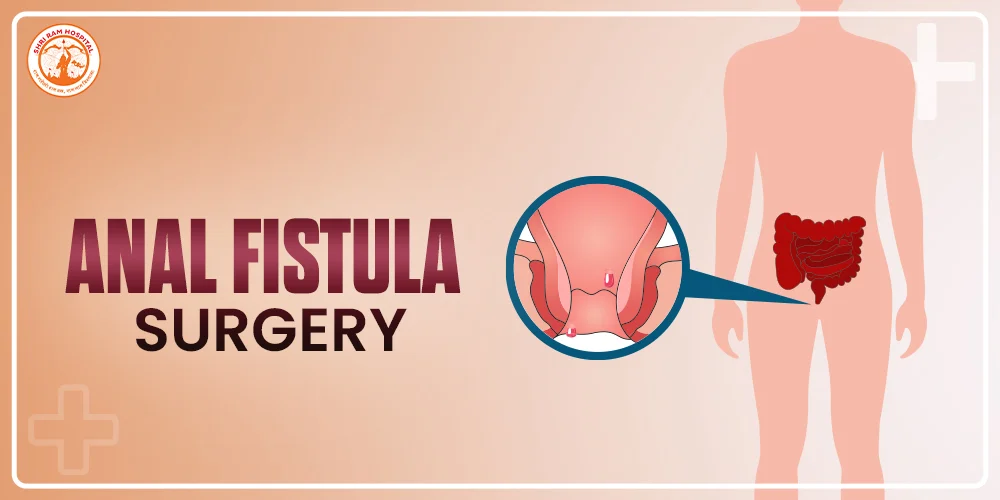
Anal Fistula: An anal fistula is an abnormal connection between the inside of the anus and the surrounding skin. It usually develops after a perianal abscess caused by an infection in the anal glands.
Treatment Requirement: Most anal fistulas do not heal on their own and generally require surgical treatment to prevent repeated infections and further complications.
Symptoms of Anal Fistula
Pain or discomfort near the anus: Many patients experience persistent pain or discomfort in the anal area, especially while sitting or during bowel movements.
Swelling and redness in the anal area: Infection around the anal glands can cause visible swelling, redness, and tenderness near the anus.
Pus or blood discharge: Some people may notice pus or blood draining from a small opening near the anus.
Persistent itching and irritation: Continuous discharge from the fistula opening may cause itching and irritation in the surrounding skin.
Fever in severe infections: In more serious cases, infection may lead to fever and general discomfort.
These symptoms should not be ignored, as untreated anal fistulas can lead to recurring infections and complications.
Causes of Anal Fistula
Infection in anal glands: Blocked or infected anal glands are one of the most common causes of fistula formation.
Perianal abscess: A perianal abscess can create a tunnel between the anal canal and the skin if the infection does not heal properly.
Inflammatory bowel diseases: Conditions such as Crohn’s disease can increase the risk of developing an anal fistula.
Trauma or previous surgery: Injury or previous surgery near the anal region may sometimes lead to fistula formation.
Chronic infections: Long-term infections in the anal area may also contribute to the development of fistulas.
In many cases, the condition begins with an abscess that eventually forms a tunnel between the anal canal and the surrounding skin.
Treatment Options for Anal Fistula
Fistulotomy: This is the most common surgical procedure where the fistula tract is opened so it can heal properly from the inside out.
Seton Procedure: In this method, a surgical thread called a seton is placed inside the fistula tract to help drain infection and allow gradual healing.
Laser Fistula Surgery: A minimally invasive technique in which laser energy is used to close the fistula tract while preserving the surrounding healthy tissues.
Laser treatment is becoming increasingly popular because it causes less tissue damage and allows faster recovery.
Benefits of Laser Anal Fistula Surgery
Minimally invasive procedure: Laser surgery requires smaller incisions compared to traditional surgical methods.
Less pain and bleeding: Patients usually experience reduced pain and minimal bleeding after the procedure.
Faster healing: Recovery time is generally quicker, allowing patients to return to normal activities sooner.
Short hospital stay: Most laser procedures require only a short hospital stay or may even be done as a day-care surgery.
Lower risk of complications: Advanced laser technology helps minimize damage to surrounding tissues.
Modern laser techniques effectively close the fistula tract while protecting healthy tissues around the anus.
Why Choose Shriram Hospital for Anal Fistula Treatment?
Experienced surgeons: Our hospital has skilled surgeons specialized in advanced proctology procedures.
Advanced diagnostic and surgical equipment: We use modern medical technology for accurate diagnosis and effective treatment.
Modern operation theatres: Our operation theatres are equipped with the latest surgical facilities.
Patient-focused care: We focus on providing personalized treatment and post-surgery recovery support.
Convenient location: Shriram Hospital is easily accessible for patients living in Vikaspuri and West Delhi.
Our team is committed to providing safe, effective, and comfortable treatment for patients suffering from anal fistula.
When Should You Consult a Fistula Surgeon?
Persistent pain near the anus: Continuous pain or discomfort in the anal area may indicate a developing fistula.
Recurrent abscess or infection: Frequent abscess formation can be an early warning sign of a fistula.
Pus discharge from the anal region: Ongoing pus drainage is one of the most common symptoms that requires medical evaluation.
Swelling or redness that does not heal: Persistent swelling or redness near the anus should be examined by a specialist.
Early consultation with a specialist can help prevent complications and improve treatment outcomes.
Book an Appointment