


Kidney Stone Treatment & Surgery in Vikaspuri
At Shri Ram Hospital, the Urology Department offers advanced surgical treatments for kidney stones, ensuring patients receive the most effective and minimally invasive care possible. Utilizing state-of-the-art technology, the hospital provides procedures like lithotripsy, ureteroscopy, and percutaneous nephrolithotomy, tailored to the size, location, and type of kidney stones. These procedures aim to reduce patient discomfort, promote faster recovery, and minimize the risk of recurrence.
The surgical team at Shri Ram Hospital is composed of experienced urologists who specialize in kidney stone management, ensuring that each patient's treatment plan is as efficient and comfortable as possible. The hospital's commitment to incorporating the latest advancements in medical technology translates to high success rates and improved patient outcomes, emphasizing a patient-centered approach throughout the diagnostic and treatment process.
Post-surgical care is a critical component of the kidney stone treatment pathway at Shri Ram Hospital. Patients receive comprehensive support, including dietary advice and lifestyle modifications, to prevent future stone formation. The hospital's multidisciplinary team works collaboratively to monitor patient recovery, offering personalized care and attention to ensure optimal health and well-being following surgery.
What Are Kidney Stones?
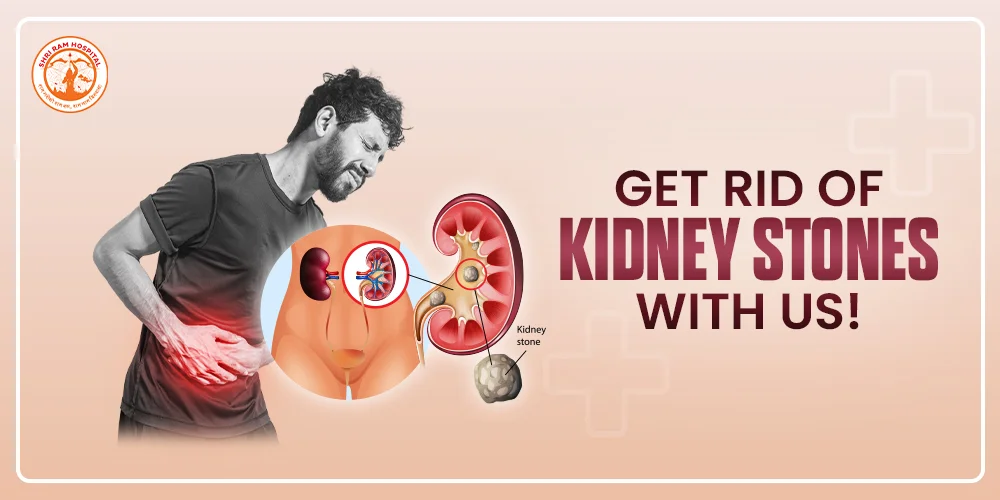
Kidney Stones: Kidney stones are small, hard deposits made of minerals and salts that form inside the kidneys. They can vary in size from tiny grains to larger stones that may block the urinary tract and cause severe pain.
How they affect the body: When kidney stones obstruct the flow of urine, patients may experience intense discomfort and other symptoms that require medical attention.
Symptoms of Kidney Stones
Severe pain in the lower back or side: One of the most common symptoms is intense pain in the lower back, side, or abdomen.
Pain during urination: Patients may feel burning or sharp pain while passing urine.
Blood in urine: The presence of blood in the urine may appear pink, red, or brown and is a common sign of kidney stones.
Frequent urge to urinate: People with kidney stones may feel a constant need to urinate even when only small amounts of urine are passed.
Nausea or vomiting: Severe pain caused by kidney stones can often lead to nausea and vomiting.
Cloudy or foul-smelling urine: Urine may appear cloudy or have a strong odor due to infection or stone movement.
These symptoms usually occur when a kidney stone begins to move through the urinary tract.
Causes and Risk Factors
Dehydration or low fluid intake: Not drinking enough water can lead to concentrated urine, increasing the risk of stone formation.
High salt or protein diet: Diets high in salt or animal protein may increase the level of minerals that form kidney stones.
Obesity: Excess body weight can alter the acid balance in urine and contribute to kidney stone formation.
Family history of kidney stones: People with a family history of kidney stones may have a higher risk of developing them.
Certain metabolic conditions: Some metabolic disorders can increase the amount of stone-forming substances in urine.
Urinary tract infections: Recurrent infections in the urinary tract may also contribute to certain types of kidney stones.
Maintaining proper hydration and a balanced diet can significantly reduce the risk of kidney stone formation.
Advanced Kidney Stone Treatment Options
Shock Wave Lithotripsy (ESWL): This non-invasive procedure uses shock waves to break kidney stones into smaller fragments so they can pass naturally through urine.
Ureteroscopy with Laser Lithotripsy: In this method, doctors use a thin instrument called a ureteroscope to reach the stone and break it into small pieces using laser energy.
Percutaneous Nephrolithotomy (PCNL): This minimally invasive surgical procedure is commonly used to remove large kidney stones directly from the kidney.
Laparoscopic Kidney Stone Surgery: In complex cases where other treatments are not effective, laparoscopic surgery may be performed to remove the stone.
The choice of treatment depends on the size, type, and location of the kidney stone.
Benefits of Modern Kidney Stone Surgery
Smaller incisions: Minimally invasive procedures require smaller surgical cuts compared to traditional open surgery.
Less pain and bleeding: Patients usually experience reduced pain and minimal bleeding after the procedure.
Faster recovery: Most patients recover more quickly and can resume daily activities sooner.
Short hospital stay: Hospitalization time is generally shorter for minimally invasive treatments.
Lower risk of complications: Advanced surgical techniques help minimize the chances of infection and other complications.
Patients treated with minimally invasive procedures can often return to their normal routine much faster than those undergoing traditional surgery.
Recovery After Kidney Stone Surgery
Laser or ureteroscopy procedures: Recovery from laser or ureteroscopy treatments usually takes about three to four days.
Minimally invasive PCNL surgery: Patients undergoing PCNL surgery may require around one week for recovery.
Shock wave treatment: Recovery after shock wave lithotripsy generally takes one to four days.
Doctors often recommend drinking plenty of water and following dietary guidelines to prevent the formation of future kidney stones.
Why Choose Shriram Hospital for Kidney Stone Treatment?
Experienced urologists and surgeons: Our hospital has skilled specialists experienced in advanced urology procedures.
Advanced diagnostic technology: We use modern imaging and diagnostic tools for accurate detection of kidney stones.
Minimally invasive surgical procedures: Patients benefit from advanced treatment methods that ensure faster recovery.
Modern operation theatres: Our surgical facilities are equipped with the latest medical technology.
Personalized patient care: We focus on providing individualized treatment plans and post-treatment support.
Our goal is to provide safe, effective, and advanced kidney stone treatment with faster recovery for every patient.
When Should You See a Doctor?
Severe back or abdominal pain: Intense pain in the back or abdomen may indicate a kidney stone.
Blood in urine: Visible blood in the urine should always be evaluated by a doctor.
Persistent nausea or vomiting: Continuous nausea or vomiting may occur due to severe kidney stone pain.
Difficulty passing urine: Trouble urinating or reduced urine flow can occur when stones block the urinary tract.
Recurrent urinary infections: Frequent urinary tract infections may be associated with kidney stones.
Early diagnosis and treatment can help prevent serious complications and ensure effective recovery.
Book an Appointment