Introduction
Gallstones can silently develop over months or even years without causing noticeable symptoms. However, once they begin blocking the flow of bile, they can trigger sudden and severe abdominal pain, nausea, vomiting, indigestion, and even life-threatening complications if left untreated.
For many patients, gallstone attacks become more frequent over time, affecting work, family life, and overall well-being. Fortunately, modern laparoscopic gallstone surgery offers a safe, effective, and long-term solution with smaller incisions, faster recovery, and excellent outcomes. If you're looking for the Best Hospital for Gallstone Surgery in Vikaspuri, Delhi, early diagnosis and expert surgical care can help prevent serious complications and ensure a smooth recovery.
Quick Answer
Gallstone surgery (laparoscopic cholecystectomy) is the most effective treatment for symptomatic gallstones. The procedure removes the gallbladder through small incisions, providing permanent relief from recurring gallstone attacks with less pain, faster recovery, and a shorter hospital stay compared to traditional open surgery.
Table of Contents
1. What Are Gallstones?
2. Common Symptoms of Gallstones
3. When Is Gallstone Surgery Needed?
4. Types of Gallstone Surgery
5. Preparing for Surgery
6. What Happens During Surgery?
7. Recovery After Gallstone Surgery
8. Life After Gallbladder Removal
9. Possible Risks and Complications
10. Why Choose Shri Ram Hospital?
11. Frequently Asked Questions
What Are Gallstones?
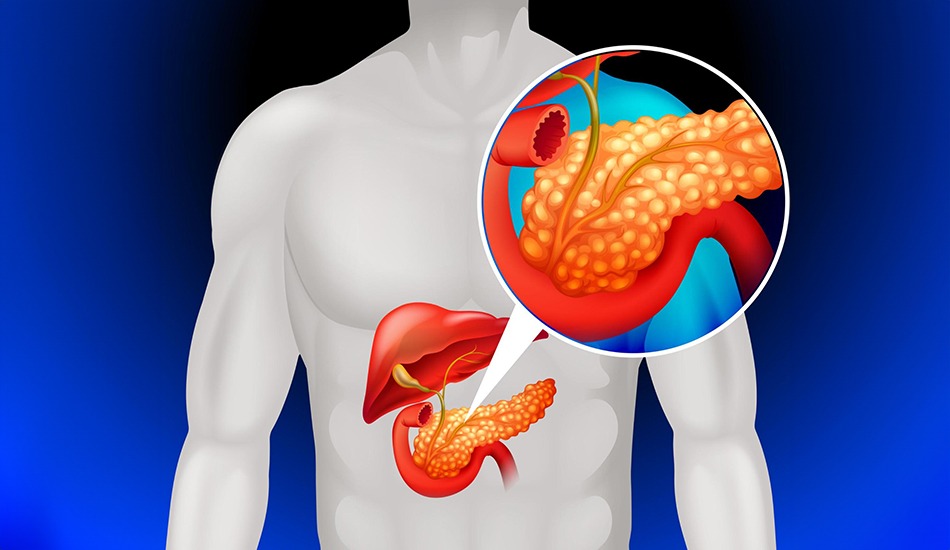
Gallstones are hardened deposits that form inside the gallbladder, a small organ located beneath the liver.
The gallbladder stores bile, a digestive fluid that helps break down fats. When cholesterol, bile salts, or bilirubin become imbalanced, stones may develop.
Gallstones may range from tiny grains to large stones and can remain symptom-free until they block the bile ducts.
Common Symptoms of Gallstones
Many people have no symptoms until a gallstone attack occurs.
- Sudden pain in the upper right abdomen
- Pain after fatty meals
- Pain spreading to the back or right shoulder
- Nausea and vomiting
- Bloating and indigestion
- Fever (if infection develops)
- Jaundice (yellowing of the skin or eyes)
If symptoms become severe or recurrent, medical evaluation is essential.
When Is Gallstone Surgery Needed?
Doctors usually recommend surgery when gallstones cause symptoms or complications.
Gallbladder removal may be advised if you have:
- Recurrent gallstone attacks
- Acute cholecystitis (gallbladder infection)
- Gallstones blocking the bile duct
- Gallstone pancreatitis
- Persistent abdominal pain
- Repeated hospital admissions due to gallstones
Patients with asymptomatic (silent) gallstones often do not require surgery unless specific medical concerns are present.
Types of Gallstone Surgery
1. Laparoscopic Cholecystectomy
This is the preferred and most commonly performed procedure.
The surgeon removes the gallbladder using a laparoscope through 3–4 small incisions.
Benefits
- Smaller scars
- Less postoperative pain
- Faster recovery
- Reduced infection risk
- Short hospital stay
- Early return to work
2. Open Cholecystectomy
Open surgery may be necessary if:
- There is severe inflammation
- Extensive scar tissue from previous surgery is present
- Complex anatomy is encountered
- Conversion from laparoscopic surgery is required for patient safety
Recovery is generally longer than laparoscopic surgery.
Preparing for Surgery
Medical Assessment
Your surgeon may recommend:
- Blood tests
- Liver function tests
- Ultrasound abdomen
- ECG (if required)
- Chest X-ray (selected patients)
- Pre-anesthesia evaluation
Medication Review
Inform your doctor if you take:
- Blood thinners
- Diabetes medications
- Blood pressure medicines
- Herbal supplements
Do not stop medications unless advised by your healthcare provider.
Before Surgery
- Follow fasting instructions before anesthesia.
- Avoid smoking if possible.
- Arrange transportation after discharge.
- Carry previous reports and scans.
- Wear comfortable clothing.
What Happens During Surgery?
Hospital Admission
You will complete the final assessment before surgery.
Anesthesia
Gallbladder surgery is usually performed under general anesthesia.
Procedure
The surgeon removes the gallbladder through:
- Laparoscopic surgery (most common)
- Open surgery (selected cases)
Recovery Room
After surgery, vital signs are monitored, pain medications are provided, and patients are encouraged to begin walking as soon as medically appropriate. Many laparoscopic surgery patients are discharged the same day or within 24 hours.
Recovery After Gallstone Surgery
First 24 Hours
- Rest adequately.
- Walk short distances.
- Drink fluids gradually.
- Take prescribed medications.
- Keep the incision clean and dry.
First Week
- Eat light meals.
- Stay well hydrated.
- Walk gently every day.
- Avoid heavy lifting.
- Follow wound care instructions carefully.
Weeks 2–4
Most patients gradually return to:
- Office work
- Daily household activities
- Driving (after medical clearance)
- Light exercise
Patients who undergo open surgery generally require a longer recovery period.
Life After Gallbladder Removal
Many patients wonder whether they can live normally without a gallbladder.
The answer is yes. The liver continues producing bile, which flows directly into the intestine.
Most patients:
- Eat a normal diet after recovery
- Return to regular daily activities
- Experience significant relief from previous gallstone symptoms
Some people may temporarily benefit from eating smaller, lower-fat meals during the early recovery period.
Possible Risks and Complications
Although gallbladder surgery is considered safe, possible complications include:
- Infection
- Bleeding
- Bile leakage
- Temporary digestive changes
- Blood clots
- Rare injury to nearby bile ducts
Choosing an experienced laparoscopic surgeon helps minimize these risks.
Why Choose Shri Ram Hospital?
If you're searching for the Best Hospital for Gallstone Surgery in Vikaspuri, Delhi, Shri Ram Hospital offers:
- Experienced laparoscopic surgeons
- Advanced minimally invasive surgical techniques
- Modern operation theatres
- Comprehensive diagnostic services
- Personalized treatment planning
- Structured postoperative care
- NABH-accredited multispeciality hospital
Located in Vikaspuri, West Delhi, Shri Ram Hospital provides patient-focused care using modern technology and evidence-based treatment protocols.
Frequently Asked Questions (FAQs)
Is gallstone surgery permanent?
Yes. Removing the gallbladder eliminates the source of gallstones and prevents future gallbladder stone attacks.
Is laparoscopic surgery painful?
The procedure is performed under anesthesia. Most patients experience only mild discomfort during recovery.
How long does surgery take?
Most laparoscopic gallbladder surgeries take approximately 45–90 minutes, depending on the complexity.
When can I return to work?
Many patients return to desk jobs within 1–2 weeks, while physically demanding work may require additional recovery time.
Can I eat normally after surgery?
Yes. Most patients gradually return to a normal diet after recovery, although a temporary low-fat diet may be recommended initially.
Will gallstones come back after surgery?
No. Once the gallbladder is removed, gallstones cannot form inside it again.
When should I call my doctor?
Seek immediate medical attention if you develop fever, severe abdominal pain, persistent vomiting, jaundice, or increasing redness around the surgical wound.