

In the Beginning
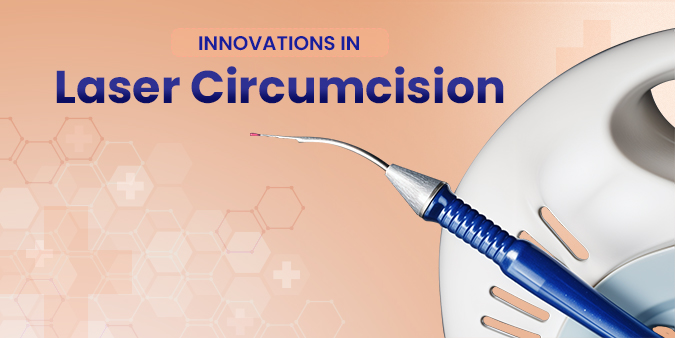
Laser circumcision has transformed the way circumcision procedures are performed. Compared to traditional surgical methods, laser-assisted techniques offer greater precision, reduced bleeding, less tissue trauma, and faster recovery.
As medical technology continues to evolve, newer innovations are making laser circumcision even safer, more effective, and more patient-friendly. These advancements focus on improving surgical accuracy, minimizing discomfort, enhancing cosmetic outcomes, and supporting smoother recovery experiences.
For patients considering modern treatment options, understanding the latest developments in Laser circumcision in Delhi can help them make informed healthcare decisions and choose facilities that utilize advanced technology.
Key Takeaway
The latest advancements in laser circumcision emphasize precision, safety, personalization, and recovery optimization. Modern laser systems help minimize tissue damage, reduce complications, improve cosmetic results, and provide a more comfortable overall patient experience.
Table of Contents
1. Why Laser Circumcision Is Evolving
2. Advanced Precision Laser Technology
3. Reduced Thermal Damage Systems
4. Real-Time Surgical Monitoring
5. Automated Laser Settings
6. Enhanced Bleeding Control
7. Faster Recovery Protocols
8. Personalized Treatment Planning
9. Telemedicine Integration
10. Future Innovations In Laser Circumcision
11. Frequently Asked Questions
Why Laser Circumcision Is Evolving?
Modern healthcare increasingly focuses on minimally invasive procedures that provide better patient outcomes with less disruption to daily life.
Key healthcare goals include:
- Minimally invasive treatment.
- Faster healing.
- Improved patient comfort.
- Reduced complications.
- Better cosmetic outcomes.
Laser circumcision aligns closely with these objectives, which is why healthcare providers continue investing in newer technologies and treatment protocols.
1. Advanced Precision Laser Technology
One of the most significant innovations in recent years is the development of highly precise laser systems.
| Advancement | Patient Benefit |
|---|---|
| Improved Precision | Greater surgical accuracy. |
| Controlled Tissue Removal | Cleaner surgical outcomes. |
| Reduced Trauma | Less damage to surrounding tissues. |
| Enhanced Cosmetic Results | Improved healing appearance. |
These innovations allow surgeons to perform procedures with greater consistency and control.
2. Reduced Thermal Damage Systems
Earlier laser systems could expose nearby tissues to higher levels of heat.
Modern systems now focus on:
- Controlled energy delivery.
- Lower heat exposure.
- Reduced tissue injury.
- Improved healing conditions.
This advancement helps decrease postoperative discomfort and supports faster recovery.
3. Real-Time Surgical Monitoring
Some advanced laser platforms now incorporate real-time monitoring capabilities during surgery.
Potential advantages include:
- Improved procedural safety.
- Enhanced precision.
- Better control of laser settings.
- Reduced complication risk.
Real-time feedback allows surgeons to make adjustments whenever necessary during the procedure.
4. Automated Laser Settings
New-generation laser devices are becoming increasingly sophisticated through automation.
| Feature | Potential Benefit |
|---|---|
| Automatic Calibration | Greater consistency. |
| Customized Energy Delivery | Improved precision. |
| Reduced Human Error | Enhanced safety. |
| Standardized Performance | Predictable outcomes. |
Automation helps maintain treatment quality across different patient groups.
5. Enhanced Bleeding Control
One of the major advantages of modern laser systems is their ability to seal blood vessels effectively during surgery.
Benefits may include:
- Minimal bleeding.
- Clearer surgical visibility.
- Reduced complication rates.
- Improved patient comfort.
Enhanced bleeding control remains one of the primary reasons laser circumcision continues to gain popularity.
6. Faster Recovery Protocols
Recent advancements extend beyond the laser itself and include improved recovery strategies.
Modern recovery-focused approaches often include:
- Enhanced wound care guidance.
- Improved pain-management protocols.
- Personalized recovery instructions.
- Structured follow-up schedules.
Many patients are able to resume normal activities more quickly compared to traditional surgical approaches.
7. Personalized Treatment Planning
Modern laser circumcision is becoming increasingly individualized.
| Personalized Feature | Benefit |
|---|---|
| Customized Laser Settings | Tailored treatment. |
| Patient-Specific Planning | Improved safety. |
| Age-Based Approaches | Better outcomes. |
| Individual Recovery Plans | Enhanced healing support. |
Personalized treatment strategies improve patient satisfaction and overall outcomes.
8. Telemedicine Integration
Telemedicine has become an important component of modern surgical care.
Many clinics now offer:
- Virtual consultations.
- Pre-operative counseling.
- Recovery monitoring.
- Follow-up discussions.
- Remote access to specialist guidance.
Telemedicine improves convenience while maintaining continuity of care before and after surgery.
9. Mobile Health Applications
Digital healthcare tools are increasingly supporting surgical recovery.
Features may include:
- Medication reminders.
- Recovery tracking.
- Follow-up notifications.
- Educational resources.
- Direct communication support.
These technologies help improve patient engagement and adherence to recovery instructions.
10. Future Innovations On The Horizon
Research continues to explore technologies that may further improve circumcision procedures in the coming years.
| Future Innovation | Potential Impact |
|---|---|
| Robotic-Assisted Procedures | Enhanced precision and consistency. |
| Next-Generation Laser Systems | Greater accuracy and efficiency. |
| AI-Assisted Planning | Improved treatment optimization. |
| Advanced Recovery Monitoring | Better postoperative care. |
These developments may further improve safety, recovery, and patient satisfaction in the future.
How These Innovations Benefit Patients?
| Innovation | Patient Benefit |
|---|---|
| Advanced Precision Lasers | Better surgical accuracy. |
| Reduced Thermal Damage | Faster healing. |
| Real-Time Monitoring | Improved safety. |
| Automated Settings | Consistent treatment quality. |
| Enhanced Bleeding Control | Less blood loss. |
| Personalized Treatment Plans | Improved outcomes. |
| Telemedicine Support | Easier follow-up care. |
| Mobile Recovery Tools | Better recovery tracking. |
Conditions Commonly Treated With Laser Circumcision
Doctors may recommend laser circumcision for several medical conditions.
- Phimosis.
- Paraphimosis.
- Recurrent foreskin infections.
- Balanitis.
- Hygiene-related foreskin concerns.
Early evaluation helps determine whether circumcision is the most appropriate treatment option.
Why Laser Circumcision Continues To Gain Popularity?
Compared with conventional circumcision techniques, modern laser-assisted procedures may offer:
- Less postoperative discomfort.
- Reduced bleeding.
- Faster recovery.
- Lower infection risk.
- Better cosmetic appearance.
These advantages have contributed to the growing adoption of Circumcision surgery in Delhi using advanced laser technology.
The Future Of Laser Circumcision
Laser circumcision continues to evolve through innovations focused on precision, safety, patient comfort, and personalized care. Advancements such as high-precision laser systems, reduced thermal damage technology, telemedicine integration, automated treatment settings, and digital recovery monitoring are helping improve surgical outcomes and patient experiences. As technology advances further, laser circumcision is expected to become even safer, more efficient, and more patient-centered.
FAQs
1. What is the newest technology in laser circumcision?
Recent innovations include advanced precision laser systems, automated settings, real-time monitoring technology, telemedicine support, and digital recovery tracking tools.
2. Is laser circumcision safer than traditional circumcision?
Laser circumcision is generally considered minimally invasive and may reduce bleeding, tissue trauma, and recovery time when performed by experienced surgeons.
3. Does modern laser technology reduce recovery time?
Advanced laser systems are designed to minimize tissue damage and support faster healing, which may contribute to quicker recovery.
4. Can laser circumcision be performed in children?
Yes. Laser circumcision is commonly performed in both children and adults when medically indicated and recommended by a qualified surgeon.
5. What are the major advantages of modern laser circumcision?
Potential benefits include improved precision, reduced bleeding, faster recovery, lower discomfort, and enhanced cosmetic outcomes.
6. Is advanced laser circumcision available in Delhi?
Many modern hospitals and surgical centers now offer laser circumcision using advanced minimally invasive technologies and updated treatment protocols.