

Introduction
Kidney stones are among the most painful urological conditions, often causing sudden, severe pain that can disrupt work, sleep, and everyday life. While small stones may pass naturally with medication and increased fluid intake, larger or obstructive stones often require surgical treatment to relieve symptoms and protect kidney function.
Fortunately, kidney stone treatment has advanced significantly. In 2026, minimally invasive procedures such as Retrograde Intrarenal Surgery (RIRS), Ureteroscopy with Laser Lithotripsy (URSL), Percutaneous Nephrolithotomy (PCNL), and Extracorporeal Shock Wave Lithotripsy (ESWL) provide highly effective treatment with faster recovery, less pain, and shorter hospital stays compared to traditional surgery. If you're looking for Kidney Stone Laser Treatment in Delhi, modern laser technology offers a safe and effective solution for most patients.
Quick Answer
Kidney stone laser treatment uses advanced laser technology to break stones into tiny fragments that can be removed or passed naturally through urine. Procedures such as URSL and RIRS are minimally invasive, highly successful, and usually allow faster recovery with minimal discomfort.
Table of Contents
1. What Are Kidney Stones?
2. Symptoms of Kidney Stones
3. When Is Kidney Stone Surgery Needed?
4. Types of Kidney Stone Surgery
5. Preparing for Surgery
6. What Happens During Surgery?
7. Recovery After Kidney Stone Surgery
8. Preventing Kidney Stones in the Future
9. Why Choose Shri Ram Hospital?
10. Frequently Asked Questions
What Are Kidney Stones?
Kidney stones are hard deposits made of minerals and salts that form inside the kidneys. These stones may remain in the kidney or move into the ureter, causing severe pain and urinary obstruction.
Common types include:
- Calcium oxalate stones
- Uric acid stones
- Struvite stones
- Cystine stones
Without timely treatment, large stones can lead to infection, urinary blockage, or kidney damage.
Symptoms of Kidney Stones
Symptoms vary depending on the size and location of the stone.
- Severe pain in the back or side
- Pain radiating toward the groin
- Blood in the urine
- Burning during urination
- Frequent urge to urinate
- Nausea and vomiting
- Fever and chills if infection develops
Seek immediate medical attention if you experience severe pain, fever, or difficulty passing urine.
When Is Kidney Stone Surgery Needed?
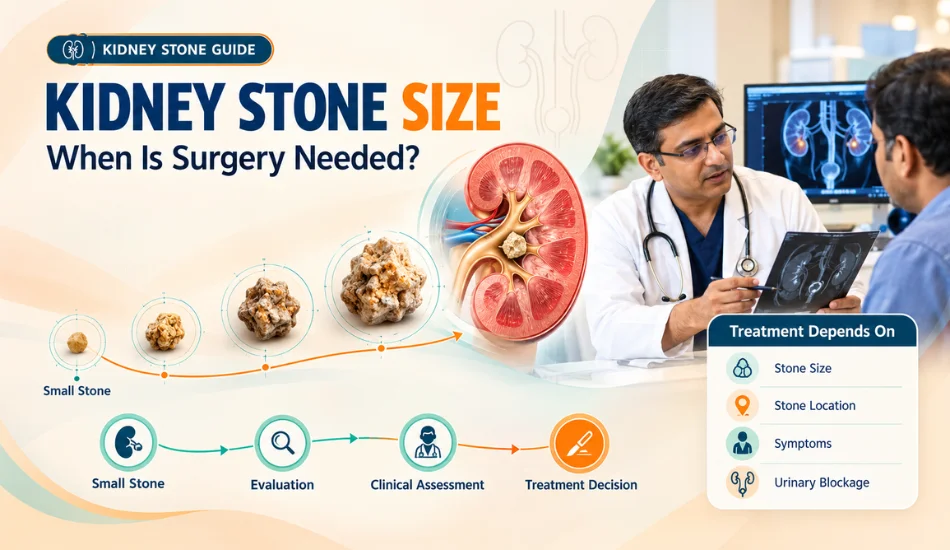
Surgery may be recommended if:
- The stone is larger than 6–7 mm.
- Pain is severe or persistent.
- The stone blocks urine flow.
- Kidney function is affected.
- Recurrent urinary tract infections occur.
- Multiple stones are present.
- Medication and conservative treatment have failed.
Early intervention helps preserve kidney function and reduces complications.
Types of Kidney Stone Surgery
1. Ureteroscopy with Laser Lithotripsy (URSL)
A thin ureteroscope is passed through the urinary tract to reach the stone. A laser breaks the stone into tiny fragments that are removed or passed naturally.
Benefits
- No external incision
- Minimal discomfort
- Faster recovery
- High success rate
2. Retrograde Intrarenal Surgery (RIRS)
A flexible ureteroscope reaches the kidney through the natural urinary passage.
Best suited for:
- Medium-sized kidney stones
- Stones in difficult locations
Laser energy fragments the stones into fine particles.
3. Percutaneous Nephrolithotomy (PCNL)
PCNL is recommended for:
- Large kidney stones
- Multiple stones
- Staghorn calculi
A small incision is made in the back to remove large stone fragments directly.
4. Extracorporeal Shock Wave Lithotripsy (ESWL)
Shock waves break selected stones into smaller pieces that pass naturally through urine.
This treatment is suitable for carefully selected patients with smaller stones.
Preparing for Surgery
Medical Evaluation
- Blood tests
- Urine examination
- Kidney function tests
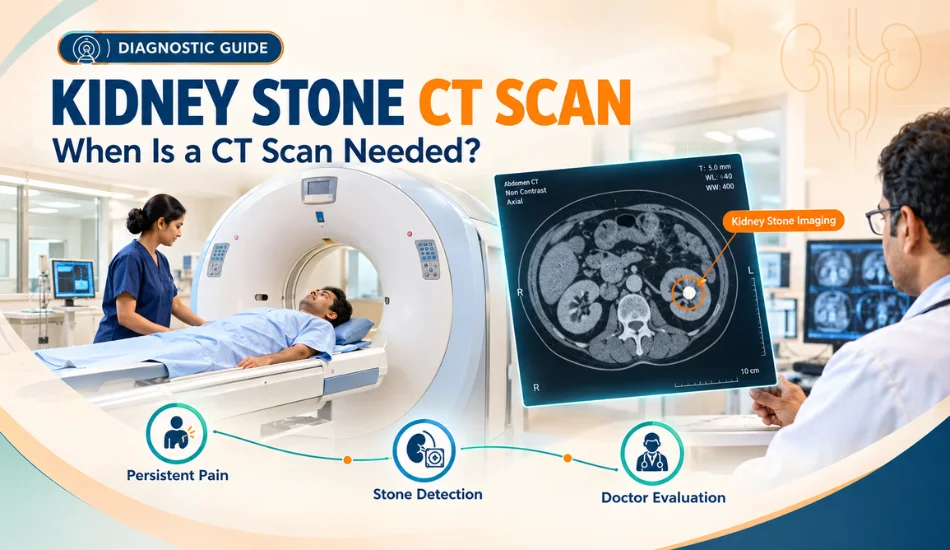
- CT scan or ultrasound
- ECG (if required)
- Pre-anesthesia assessment
Medication Review
- Blood thinners
- Diabetes medications
- Blood pressure medicines
- Herbal supplements
Do not stop medications unless instructed.
Before Surgery
- Follow fasting instructions.
- Stay hydrated unless advised otherwise.
- Arrange transportation home.
- Bring previous reports and scans.
- Wear comfortable clothing.
What Happens During Surgery?
Hospital Admission
Your medical history and investigations are reviewed before surgery.
Anesthesia
General or spinal anesthesia is commonly used depending on the procedure.
Stone Removal
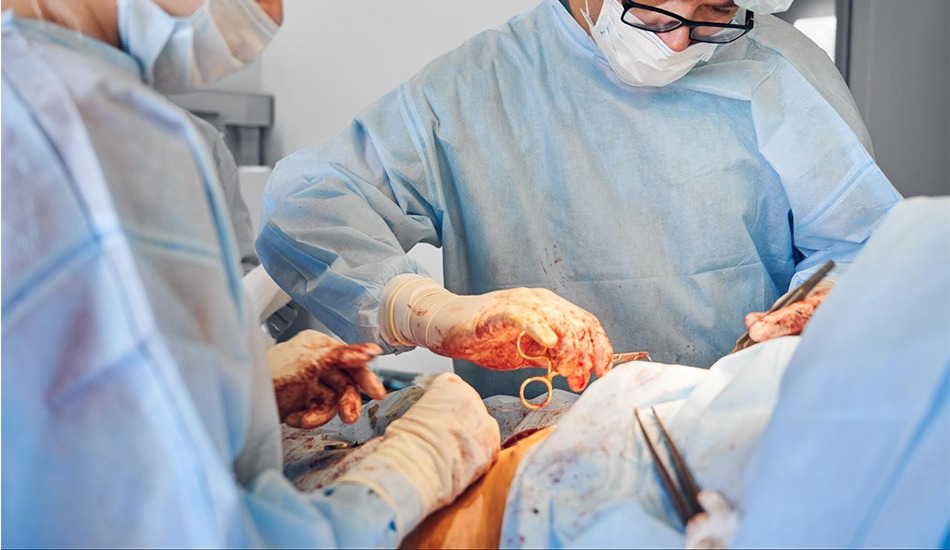
The surgeon removes or fragments the stone using laser technology, shock waves, or specialized instruments.
Recovery Room
After surgery:
- Vital signs are monitored.
- Pain medications are provided.
- Urine output is observed.
Many patients undergoing URSL or RIRS are discharged within 24 hours, while PCNL may require a slightly longer hospital stay.
Recovery After Kidney Stone Surgery
First 24 Hours
- Rest adequately.
- Drink fluids as advised.
- Take prescribed medications.
- Walk gently if permitted.
- Monitor urine colour.
First Week
- Adequate hydration
- Avoiding heavy lifting
- Completing prescribed antibiotics
- Attending follow-up visits
- Reporting fever or increasing pain immediately
Some patients may temporarily notice mild blood in the urine after surgery.
Weeks 2–6
Most patients gradually return to:
- Office work
- Daily activities
- Walking
- Light exercise
Recovery after PCNL may take longer than after RIRS or URSL.
Preventing Kidney Stones in the Future
- Drink plenty of water every day.
- Reduce salt intake.
- Follow a balanced diet based on the type of stone.
- Maintain a healthy weight.
- Attend regular follow-up visits.
Periodic imaging and laboratory tests help detect recurrent stones early.
Why Choose Shri Ram Hospital?
If you're searching for Kidney Stone Laser Treatment in Delhi, Shri Ram Hospital offers comprehensive urology care with:
- Experienced urologists
- Advanced laser stone removal technology
- Modern operation theatres
- Minimally invasive surgical techniques
- Comprehensive diagnostic services
- Personalized postoperative care
- NABH-accredited multispeciality hospital
Located in Vikaspuri, West Delhi, Shri Ram Hospital provides evidence-based kidney stone treatment focused on faster recovery and long-term kidney health.
Frequently Asked Questions (FAQs)
Is kidney stone surgery painful?
The surgery is performed under anesthesia. Mild discomfort afterward is generally managed with prescribed medications.
How long does kidney stone surgery take?
Most minimally invasive procedures take 30–90 minutes, depending on the size and location of the stone.
How long is recovery?
Many patients return to normal activities within a few days after URSL or RIRS, while PCNL recovery may take several weeks.
Can kidney stones come back?
Yes. Lifestyle modifications, adequate hydration, and regular follow-up reduce the risk of recurrence.
Will I need a stent after surgery?
Some patients require a temporary ureteral stent to help urine drain while healing occurs.
Is laser kidney stone surgery safe?
Yes. Laser lithotripsy is one of the most widely used minimally invasive treatments for kidney stones and has a high success rate when performed by experienced urologists.
When should I contact my doctor?
Seek immediate medical attention if you develop fever, severe pain, difficulty passing urine, persistent vomiting, or heavy bleeding.