

In the Beginning
An ACL (Anterior Cruciate Ligament) tear can be a life-changing injury, especially for athletes and active individuals. Whether the injury occurs during football, cricket, badminton, basketball, or a simple fall, it often causes severe pain, swelling, and instability that can limit daily activities.
For many patients, ACL tear treatment in Delhi provides the best opportunity to regain knee stability and safely return to an active lifestyle. Modern arthroscopic ACL reconstruction offers smaller incisions, less post-operative pain, and faster recovery compared with traditional open surgery. However, surgery is only the first step—rehabilitation plays an equally important role in achieving the best long-term results.
Key Takeaway
Arthroscopic ACL reconstruction is a minimally invasive procedure that restores knee stability after an ACL tear. Following a structured rehabilitation program, attending physiotherapy, and returning to sports only after medical clearance are essential for achieving the best long-term results.
Table of Contents
1. Understanding an ACL Tear
2. When Is ACL Surgery Recommended?
3. What Happens During ACL Tear Surgery?
4. Recovery Timeline After ACL Surgery
5. Tips for a Faster Recovery
6. The Importance of Physiotherapy
7. Warning Signs During Recovery
8. Can Another ACL Injury Be Prevented?
9. Why Choose Shri Ram Hospital?
10. Frequently Asked Questions
Understanding an ACL Tear
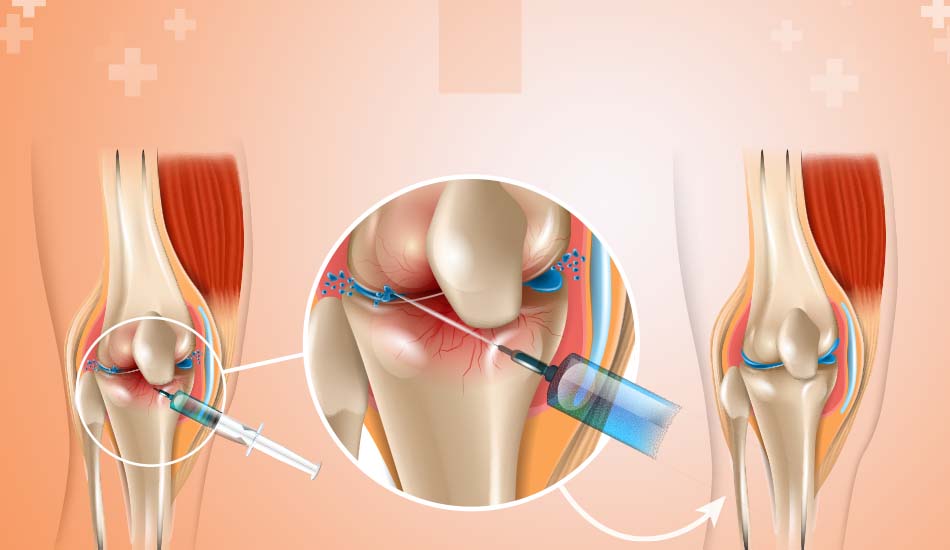
The Anterior Cruciate Ligament (ACL) is one of the major ligaments that stabilizes the knee joint. It controls forward movement and rotational stability during walking, running, jumping, and sudden changes in direction.
Common causes of an ACL tear include:
- Sudden twisting of the knee.
- Awkward landing after a jump.
- Rapid changes in direction.
- Sports collisions.
- Road traffic accidents.
- Falls.
Common symptoms include:
- A popping sensation at the time of injury.
- Immediate swelling.
- Severe knee pain.
- Knee instability or "giving way."
- Difficulty walking.
- Reduced range of motion.
When Is ACL Surgery Recommended?
Your orthopedic surgeon may recommend surgery if:
- You have a complete ACL tear.
- Your knee feels unstable during daily activities.
- You want to return to sports or physically demanding work.
- There are associated meniscus or cartilage injuries.
- Conservative treatment has failed to restore knee stability.
Not every ACL injury requires surgery. Treatment is individualized based on age, activity level, lifestyle, and associated knee injuries.
What Happens During ACL Tear Surgery?
Modern arthroscopic ACL reconstruction is performed using small incisions and a tiny camera called an arthroscope.
The procedure generally includes:
- Administration of anesthesia.
- Arthroscopic examination of the knee.
- Removal of the damaged ligament.
- Placement of a tendon graft (autograft or allograft).
- Fixation of the new ligament using specialized implants.
- Closure of the small incisions.
The surgery usually takes one to two hours, and many patients are discharged on the same day.
Recovery Timeline After ACL Surgery
First Week
- Control pain and swelling.
- Use ice therapy as advised.
- Walk with crutches if recommended.
- Begin gentle range-of-motion exercises.
- Start supervised physiotherapy.
Weeks 2–6
- Improve knee movement.
- Gradually increase weight-bearing.
- Strengthen quadriceps and hamstrings.
- Improve walking pattern.
- Reduce swelling.
Months 2–4
- Balance training.
- Stationary cycling.
- Functional strengthening exercises.
- Stair training.
- Controlled jogging when medically appropriate.
Months 6–12
- Running drills.
- Plyometric exercises.
- Agility training.
- Sport-specific rehabilitation.
- Return-to-play assessment.
Most athletes require approximately 8–12 months before returning safely to competitive sports.
Tips for a Faster Recovery
To support successful healing:
- Attend every physiotherapy session.
- Perform home exercises consistently.
- Use ice packs to control swelling.
- Follow weight-bearing instructions carefully.
- Eat a balanced, protein-rich diet.
- Stay well hydrated.
- Avoid smoking.
- Return to sports only after medical clearance.
Consistency throughout rehabilitation is one of the strongest predictors of long-term success.
The Importance of Physiotherapy
Physiotherapy plays a vital role in restoring:
- Knee flexibility.
- Muscle strength.
- Joint stability.
- Balance and coordination.
- Confidence during movement.
A structured rehabilitation program significantly reduces the risk of re-injury and improves long-term knee function. Patients looking for comprehensive sports injury treatment in Delhi benefit from an integrated approach that combines surgery with supervised rehabilitation.
Warning Signs During Recovery
Contact your orthopedic surgeon immediately if you experience:
- Increasing pain or swelling.
- Fever.
- Redness around the surgical wound.
- Persistent wound drainage.
- Calf pain or swelling.
- Difficulty moving the knee.
- Sudden knee instability.
Prompt medical evaluation helps prevent complications and supports a successful recovery.
Can Another ACL Injury Be Prevented?
Although no strategy completely eliminates the risk, you can reduce the chance of another ACL injury by:
- Strengthening the quadriceps, hamstrings, and core muscles.
- Practicing proper landing and pivoting techniques.
- Warming up before sports.
- Maintaining flexibility.
- Following sport-specific injury prevention programs.
- Returning to sports only after passing functional performance tests.
Why Choose Shri Ram Hospital?
Patients trust Shri Ram Hospital because of:
- Experienced orthopedic and arthroscopy surgeons.
- Advanced arthroscopic ACL reconstruction.
- Modern operation theatres.
- Dedicated physiotherapy and rehabilitation services.
- Personalized treatment plans.
- Advanced diagnostic imaging.
- Comprehensive sports injury management.
- Cashless insurance support.
Frequently Asked Questions (FAQs)
1. How long does recovery take after ACL surgery?
Most patients recover sufficiently for daily activities within a few months, while returning to competitive sports generally requires 8–12 months depending on rehabilitation progress and medical clearance.
2. Is ACL surgery painful?
The procedure is performed under anesthesia. Mild to moderate discomfort after surgery is expected and is usually well controlled with medications and physiotherapy.
3. Can I walk after ACL surgery?
Yes. Many patients begin walking with crutches shortly after surgery and gradually progress according to their surgeon's and physiotherapist's recommendations.
4. Is physiotherapy necessary after ACL reconstruction?
Yes. Physiotherapy is essential for restoring knee strength, flexibility, balance, and overall function. It is a critical part of successful ACL recovery.
5. When can I return to sports?
Return to sports should only occur after your orthopedic surgeon and physiotherapist confirm adequate healing, strength, and functional performance through structured clinical assessment and testing.