Introduction
Imagine waking up every morning and seeing the world through a foggy window. Colors appear dull, lights create glare, and reading becomes increasingly difficult. For millions of people, this is the reality of living with a cataract—one of the leading causes of vision impairment worldwide.
The good news is that cataract surgery is among the safest and most successful medical procedures available today. Thanks to modern microsurgical techniques and advanced intraocular lenses (IOLs), patients in 2026 can enjoy clearer vision, quicker recovery, and an improved quality of life. If you're researching Cataract Surgery Cost in Delhi, understanding the procedure, recovery, and treatment options can help you make an informed decision.
Quick Answer
Cataract surgery is the only effective treatment for cataracts. Modern phacoemulsification surgery is a safe day-care procedure that removes the cloudy lens and replaces it with an artificial intraocular lens (IOL), helping restore clear vision with minimal discomfort and quick recovery.
Table of Contents
1. What Is a Cataract?
2. Symptoms of Cataracts
3. When Is Cataract Surgery Needed?
4. Types of Cataract Surgery
5. Types of Intraocular Lenses (IOLs)
6. Preparing for Surgery
7. What Happens During Cataract Surgery?
8. Recovery After Cataract Surgery
9. Benefits of Modern Cataract Surgery
10. Possible Risks and Complications
11. Why Choose Shri Ram Hospital?
12. Frequently Asked Questions
What Is a Cataract?
A cataract occurs when the eye's natural lens becomes cloudy, preventing light from reaching the retina properly.
Cataracts most commonly develop with age but may also occur due to:
- Diabetes
- Eye injury
- Long-term steroid use
- Previous eye surgery
- Genetic conditions
- Excessive UV exposure
Without treatment, cataracts gradually worsen and may eventually lead to severe vision loss.
Symptoms of Cataracts
- Blurred or cloudy vision
- Difficulty seeing at night
- Increased sensitivity to light
- Glare from headlights
- Frequent changes in eyeglass prescription
- Faded or yellowed colours
- Double vision in one eye
If these symptoms begin affecting daily life, an eye examination is recommended.
When Is Cataract Surgery Needed?
Doctors usually recommend surgery when cataracts interfere with normal activities such as:
- Reading
- Driving
- Watching television
- Using a mobile phone
- Working
- Recognizing faces
Unlike medications or eye drops, surgery is the only effective treatment for cataracts.
Types of Cataract Surgery
1. Phacoemulsification (Phaco Surgery)
This is the most commonly performed cataract procedure.
A tiny incision is made, and ultrasound energy breaks the cloudy lens into small fragments before it is removed and replaced with an artificial lens.
Benefits
- Small incision
- No stitches in most cases
- Faster healing
- Excellent visual outcomes
- Day-care procedure
2. Laser-Assisted Cataract Surgery
In selected patients, femtosecond laser technology may assist certain steps of cataract surgery.
Potential advantages include:
- Increased precision
- Reduced manual manipulation
- Better accuracy in selected cases
3. Extracapsular Cataract Surgery
This method may still be used for very advanced or dense cataracts where phacoemulsification is not suitable.
Recovery may take longer compared with modern phaco surgery.
Types of Intraocular Lenses (IOLs)
After removing the cataract, an artificial lens is implanted.
- Monofocal Lens – Provides clear vision at one distance.
- Multifocal Lens – Designed to reduce dependence on glasses for both near and distance vision in selected patients.
- Toric Lens – Recommended for patients with significant astigmatism.
Your ophthalmologist will help determine the most suitable lens based on your eye health and lifestyle.
Preparing for Surgery
Eye Examination
- Vision testing
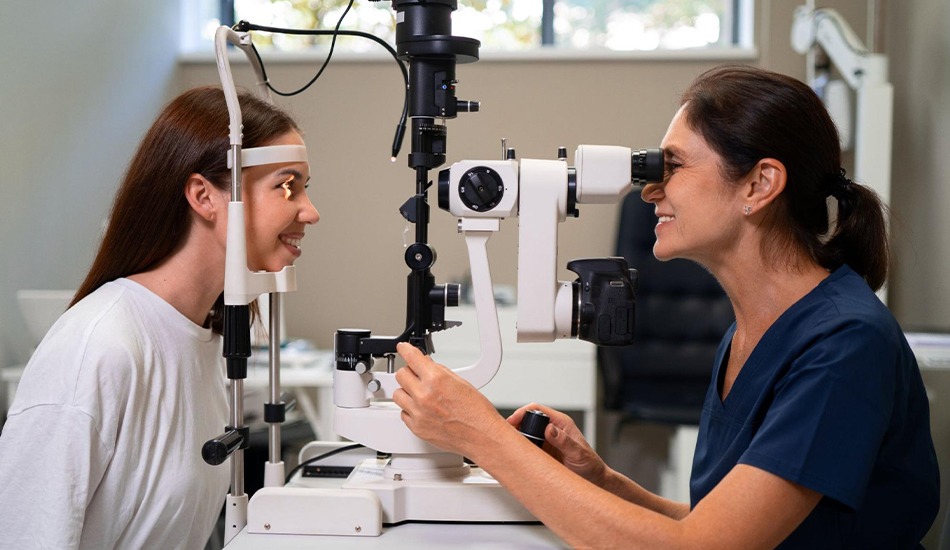
- Slit-lamp examination
- Retina evaluation
- Eye pressure measurement
- Biometry for lens calculation
Medical Evaluation
- Blood sugar assessment
- Blood pressure control
- Routine blood tests
- Physician clearance (if needed)
Before Surgery
- Use prescribed eye drops.
- Avoid wearing eye makeup.
- Arrange transportation home.
- Follow fasting instructions if sedation is planned.
- Bring previous eye reports.
What Happens During Cataract Surgery?
Hospital Admission
Your eye is examined once more before surgery.
Anesthesia
Most cataract surgeries are performed under local anesthesia using eye drops or injections.
Surgical Procedure
- Removes the cloudy lens.
- Inserts the selected intraocular lens.
- Protects the eye with a shield after surgery.
The procedure usually takes 15–30 minutes.
Recovery After Cataract Surgery
Most patients notice improved vision within a few days, although complete healing may take several weeks.
First 24 Hours
- Rest at home.
- Wear the protective eye shield.
- Use prescribed eye drops.
- Avoid rubbing the eye.
- Avoid heavy lifting.
First Week
- Wear sunglasses outdoors.
- Avoid dusty environments.
- Keep water away from the operated eye.
- Sleep with the eye shield if advised.
- Attend follow-up appointments.
Weeks 2–6
- Reading
- Computer work
- Driving (after medical clearance)
- Light exercise
- Daily household activities
Vision continues to stabilize during this period.
Benefits of Modern Cataract Surgery
- Improved vision
- Better colour perception
- Reduced glare
- Increased independence
- Short recovery time
- High success rate
- Enhanced quality of life
Possible Risks and Complications
- Infection
- Swelling
- Increased eye pressure
- Retinal detachment (rare)
- Lens displacement (rare)
- Temporary blurred vision
Regular follow-up appointments help detect and manage any complications early.
Why Choose Shri Ram Hospital?
If you're comparing Cataract Surgery Cost in Delhi, Shri Ram Hospital offers advanced eye care with:
- Experienced ophthalmologists
- Modern phacoemulsification technology
- Advanced diagnostic equipment
- Premium intraocular lens (IOL) options
- Personalized treatment plans
- Comprehensive postoperative follow-up
- Affordable and transparent treatment
Located in Vikaspuri, West Delhi, Shri Ram Hospital provides advanced cataract treatment focused on safety, precision, and excellent visual outcomes.
Frequently Asked Questions (FAQs)
Is cataract surgery painful?
No. The procedure is usually performed under local anesthesia, and most patients experience little or no pain during surgery.
How long does cataract surgery take?
The procedure generally takes 15–30 minutes, although the total hospital visit may take a few hours.
When will my vision improve?
Many patients notice clearer vision within a few days, while complete visual stabilization may take several weeks.
Can cataracts come back?
No. A cataract cannot return after the cloudy lens has been removed. However, some patients may develop a treatable clouding of the capsule behind the artificial lens.
Can both eyes be operated on together?
Usually, each eye is treated separately, with the second surgery scheduled after the first eye has recovered.
When can I return to work?
Many patients return to desk work within a few days, depending on recovery and their ophthalmologist's advice.
When should I contact my doctor?
Seek immediate medical attention if you experience severe eye pain, sudden vision loss, increasing redness, flashes of light, or heavy discharge.