

In the Beginning
A hernia develops when an internal organ or fatty tissue pushes through a weak area in the abdominal wall or surrounding muscles. Although some hernias may initially cause only mild discomfort or a visible bulge, they do not heal on their own and may enlarge or become complicated over time.
Modern hernia repair surgery in Delhi focuses on restoring the weakened abdominal wall while minimizing pain and recovery time. With advancements in minimally invasive techniques, many patients can undergo laparoscopic hernia surgery and return to normal activities much sooner than with conventional surgery.
Key Takeaway
Hernia repair surgery is the only definitive treatment for a hernia. Modern laparoscopic techniques offer smaller incisions, less pain, quicker recovery, and a faster return to normal life for eligible patients.
Table of Contents
1. What Is a Hernia?
2. Common Symptoms of a Hernia
3. Causes and Risk Factors
4. When Is Hernia Surgery Needed?
5. Types of Hernia Repair Surgery
6. What Happens During Hernia Surgery?
7. Recovery After Hernia Repair
8. Benefits of Modern Hernia Repair
9. Possible Risks
10. Recovery Tips
11. How to Reduce the Risk of Hernia
12. Frequently Asked Questions
What Is a Hernia?
A hernia occurs when tissue or part of an internal organ protrudes through a weak spot in the surrounding muscle or connective tissue.
Common types of hernia include:
- Inguinal hernia.
- Umbilical hernia.
- Femoral hernia.
- Incisional hernia.
- Hiatal hernia.
Although some hernias may remain painless for a period, they usually require surgical repair because they rarely resolve without treatment.
Common Symptoms of a Hernia
You should consult a surgeon if you experience:
- A visible bulge in the abdomen or groin.
- Pain while lifting heavy objects.
- A burning or aching sensation.
- Heaviness in the affected area.
- Pain during coughing or bending.
- Swelling that becomes difficult to push back.
- Nausea or vomiting accompanied by severe pain, which requires immediate medical attention.
Causes and Risk Factors
Several factors can increase the likelihood of developing a hernia.
- Heavy lifting.
- Chronic coughing.
- Constipation and repeated straining.
- Obesity.
- Pregnancy.
- Previous abdominal surgery.
- Aging.
- Weak abdominal muscles.
When Is Hernia Surgery Needed?
Your surgeon may recommend surgery if:
- The hernia continues to increase in size.
- Pain interferes with your daily activities.
- The hernia becomes trapped (incarcerated).
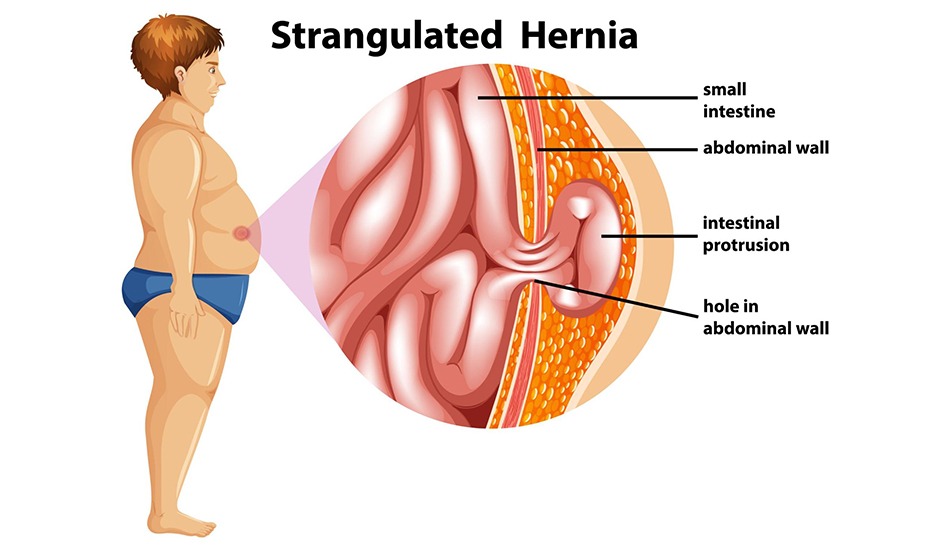
- Blood supply is compromised (strangulated hernia), requiring emergency surgery.
- Conservative treatment no longer relieves symptoms.
Early surgical treatment helps prevent serious complications and improves long-term outcomes.
Types of Hernia Repair Surgery
1. Laparoscopic Hernia Surgery
This minimally invasive procedure uses small incisions and a laparoscope to repair the hernia, often with mesh reinforcement.
Benefits
- Smaller incisions.
- Less pain.
- Faster recovery.
- Reduced hospital stay.
- Lower risk of wound infection.
- Better cosmetic results.
2. Open Hernia Repair
A single incision is made directly over the hernia. The protruding tissue is returned to its normal position, and the weakened abdominal wall is repaired using sutures and, when appropriate, surgical mesh.
Open surgery may be recommended for large, complex, recurrent, or emergency hernias.
| Procedure | Main Advantages |
|---|---|
| Laparoscopic Hernia Repair | Smaller incisions, less pain, quicker recovery, shorter hospital stay. |
| Open Hernia Repair | Suitable for large, complicated, or emergency hernias. |
What Happens During Hernia Surgery?
The procedure generally includes:
- Pre-operative evaluation.
- Administration of anesthesia.
- Repositioning of the protruding tissue.
- Repair of the abdominal wall using sutures and/or mesh.
- Closure of the incision.
Most uncomplicated procedures are completed within 30–90 minutes, depending on the type and complexity of the hernia.
Recovery After Hernia Repair
First 24 Hours
- Mild soreness is common.
- Walking is encouraged.
- Pain is managed with prescribed medication.
First Week
- Resume light daily activities.
- Avoid strenuous exercise.
- Keep the incision clean and dry.
Four to Six Weeks
Most patients gradually return to heavy lifting and normal physical activities according to their surgeon's advice. Recovery depends on the surgical technique and individual healing.
Benefits of Modern Hernia Repair
Modern hernia surgery offers several important benefits.
- Relief from pain and discomfort.
- Reduced risk of hernia recurrence.
- Faster return to normal activities.
- Improved quality of life.
- Lower complication rates with minimally invasive techniques.
Possible Risks
Although hernia repair surgery is generally safe, possible risks include:
- Bleeding.
- Infection.
- Fluid collection.
- Chronic pain.
- Hernia recurrence.
- Mesh-related complications when mesh is used.
These complications are uncommon and vary depending on the patient's condition and surgical approach.
Tips for Faster Recovery
To support healing after surgery:
- Walk every day.
- Avoid heavy lifting until cleared by your surgeon.
- Eat a high-fiber diet.
- Drink plenty of water.
- Stop smoking if applicable.
- Follow wound care instructions carefully.
- Attend all scheduled follow-up appointments.
How to Reduce the Risk of Hernia
You can lower your risk of developing a hernia by:
- Maintaining a healthy body weight.
- Using proper lifting techniques.
- Treating chronic cough and constipation promptly.
- Strengthening your core muscles through regular exercise.
- Avoiding smoking.
- Following a balanced, nutritious diet.
Patients considering hernia surgery in Delhi should consult an experienced surgeon for a detailed evaluation to determine the most appropriate surgical approach based on the type and severity of the hernia.
Frequently Asked Questions (FAQs)
1. Can a hernia heal without surgery?
No. A hernia does not heal on its own. Surgery is the only definitive treatment.
2. Is laparoscopic hernia surgery better than open surgery?
For many patients, laparoscopic repair offers less pain, smaller scars, and quicker recovery. However, the most suitable approach depends on the type of hernia, its size, and your overall health.
3. How long does hernia surgery take?
Most uncomplicated hernia repair procedures take approximately 30–90 minutes.
4. When can I return to work?
Many patients with desk-based jobs return within one to two weeks after laparoscopic surgery, while physically demanding work may require four to six weeks of recovery.
5. Can a hernia come back after surgery?
Recurrence is possible but is significantly less likely with modern surgical techniques, appropriate mesh placement when indicated, and proper adherence to post-operative care instructions.