Best Hospital for Piles Treatment in Delhi
Piles, also known as hemorrhoids, are one of the most common anorectal conditions affecting adults of all ages. They occur when the veins in the lower rectum or around the anus become swollen due to increased pressure. Although piles are not usually life-threatening, they can cause significant discomfort, bleeding during bowel movements, itching, pain, and difficulty sitting for long periods. If you are looking for piles treatment in Delhi, early diagnosis and appropriate treatment can help prevent complications and improve your quality of life. At Shri Ram Hospital, we provide comprehensive care for all grades of hemorrhoids using advanced diagnostic techniques, medications, minimally invasive procedures, and laser treatment for piles. Our experienced colorectal surgeons and proctologists offer personalized treatment plans to ensure faster recovery with minimal discomfort.
As a trusted piles hospital in Delhi, we focus on accurate diagnosis, evidence-based treatment, and compassionate patient care to help you return to your normal routine as quickly as possible.
Laser Treatment for Piles
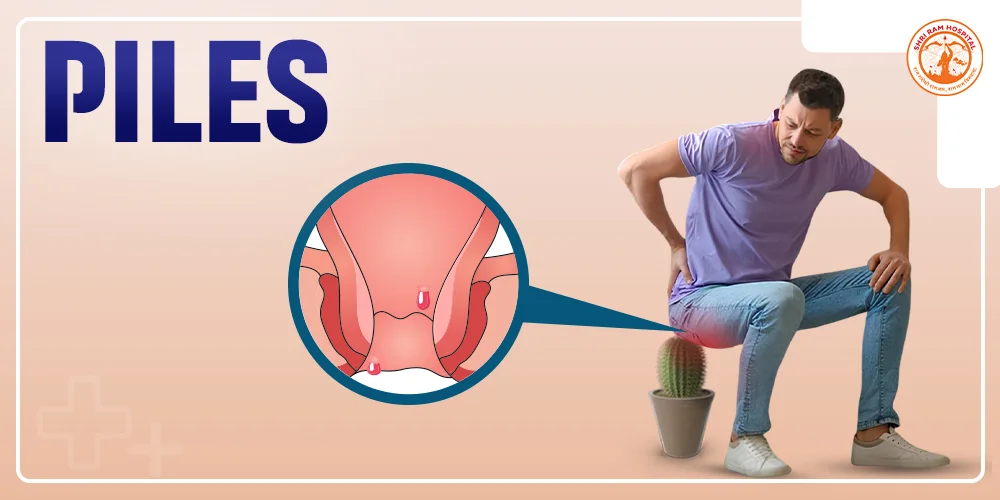
Piles (Hemorrhoids): Piles are a common anorectal condition that occurs when the veins in the lower rectum or around the anus become swollen due to increased pressure.
Impact on daily life: Although piles are not usually life-threatening, they can cause pain, bleeding, itching, and discomfort that significantly affects daily activities.
Modern treatment options: Advanced procedures such as laser treatment for piles offer safe, minimally invasive treatment with faster recovery and reduced postoperative discomfort.
Seeking timely medical attention helps prevent complications and provides long-term relief from symptoms.
What Are Piles (Hemorrhoids)?
Definition: Piles are enlarged and inflamed blood vessels located in the rectal and anal region.
Location of piles: Depending on their location, piles may develop inside the rectum or around the external anal opening.
Progression of the condition: The condition often develops gradually and may worsen if left untreated.
Early diagnosis can help prevent progression and reduce the need for extensive treatment.
Piles are among the most common conditions treated by colorectal surgeons at our piles hospital in Delhi, especially in adults over the age of 40.
Symptoms of Piles
Bleeding during bowel movements: Bright red bleeding is one of the most common symptoms of piles.
Pain or discomfort: Patients may experience pain or discomfort around the anal region.
Swelling around the anus: Swollen hemorrhoidal tissue can cause noticeable irritation and discomfort.
Persistent itching: Itching and irritation around the anal area are frequently reported symptoms.
Lump near the anus: A visible or palpable lump may develop, especially in external piles.
Mucus discharge: Some patients may notice mucus discharge after passing stool.
Difficulty sitting comfortably: Sitting for extended periods may become uncomfortable due to pain and swelling.
Incomplete bowel evacuation: Some individuals experience a sensation that the bowel has not emptied completely.
Recurring symptoms should be evaluated by a qualified piles specialist.
If you notice persistent rectal bleeding or discomfort, consult a specialist for piles treatment in Delhi without delay. Early treatment often leads to better outcomes and may avoid the need for surgery.
Causes of Piles
Chronic constipation: Frequent constipation increases pressure on rectal veins.
Straining during bowel movements: Excessive straining is a major contributing factor.
Low-fiber diet: Poor dietary fiber intake can lead to hard stools and constipation.
Obesity: Excess body weight places additional pressure on pelvic veins.
Pregnancy and childbirth: Hormonal changes and increased abdominal pressure can contribute to piles.
Sedentary lifestyle: Lack of physical activity can affect bowel health.
Prolonged sitting: Sitting for long periods increases pressure in the rectal area.
Chronic diarrhea: Repeated irritation can contribute to hemorrhoid formation.
Heavy weight lifting: Frequent heavy lifting may increase abdominal pressure.
Increasing age: Aging weakens the supporting tissues around rectal veins.
Maintaining healthy bowel habits and lifestyle modifications can help reduce the risk of piles.
People living busy urban lifestyles in Delhi often develop piles due to prolonged sitting, low-fiber diets, irregular eating habits, and lack of physical activity. Maintaining healthy bowel habits can significantly reduce the risk.
Types of Piles
Grade I : Small hemorrhoids that bleed but do not prolapse.
Grade II : Hemorrhoids prolapse during bowel movements but return on their own.
Grade III : Hemorrhoids prolapse and require manual repositioning.
Grade IV : Large prolapsed hemorrhoids that remain outside the anus and often require surgical treatment.
Who Is at Risk of Developing Piles?
Higher-risk individuals: Adults over 45, pregnant women, individuals with chronic constipation, obese individuals, office workers, and people following a low-fiber diet have an increased risk of developing piles.
Family history: A family history of hemorrhoids may also increase susceptibility.
When Should You See a Doctor?
Persistent rectal bleeding: Ongoing bleeding should always be medically evaluated.
Severe anal pain: Intense pain may indicate complications that require prompt treatment.
Recurring symptoms: Frequent recurrence of piles symptoms should not be ignored.
Prolapsed hemorrhoids: Hemorrhoids that remain outside the anus may require medical intervention.
Difficulty passing stools: Persistent bowel difficulties warrant specialist consultation.
Significant swelling: Excessive swelling around the anus should be assessed by a doctor.
Diagnosis of Piles
Medical history review: Doctors evaluate symptoms, bowel habits, and overall health history.
Physical examination: Examination helps identify external hemorrhoids and related conditions.
Digital rectal examination: A gloved examination may be performed to assess internal abnormalities.
Proctoscopy or anoscopy: These procedures help visualize internal piles and determine severity.
Accurate diagnosis allows specialists to create the most effective treatment plan.
Our specialists at Shri Ram Hospital use advanced diagnostic techniques to differentiate piles from other anorectal conditions such as anal fissures, fistulas, colorectal polyps, and colorectal cancer.
Best Treatment for Piles
Conservative treatment: Mild piles can often be managed with a high-fiber diet, increased water intake, stool softeners, sitz baths, lifestyle changes, and medications.
Non-surgical procedures: Rubber band ligation, sclerotherapy, and infrared coagulation may be recommended for moderate cases.
Surgical treatment: Advanced or recurrent piles may require definitive surgical or laser treatment.
Advanced Laser Treatment for Piles in Delhi
Laser treatment has become one of the most preferred options for eligible patients with symptomatic hemorrhoids. Unlike conventional hemorrhoid surgery, laser treatment uses focused laser energy to shrink hemorrhoidal tissue while preserving surrounding healthy structures. At Shri Ram Hospital, we offer advanced laser piles treatment in Delhi using modern surgical equipment performed by experienced surgeons. The procedure is designed to reduce pain, minimize bleeding, and support faster recovery.
Advanced laser procedure: Laser treatment uses focused laser energy to shrink and seal hemorrhoidal tissue with minimal damage to surrounding structures.
Minimally invasive approach: The procedure offers effective treatment with reduced discomfort and faster recovery.
Benefits of Laser Treatment for Piles
Minimally invasive procedure: Smaller tissue damage compared to conventional surgery.
Less postoperative pain: Patients generally experience less discomfort after treatment.
Minimal bleeding: Laser energy helps seal blood vessels during the procedure.
Faster recovery: Most patients resume normal activities sooner.
Reduced hospital stay: Many patients return home on the same day.
Lower infection risk: Reduced tissue trauma lowers complication risks.
Quick return to work: Recovery time is often shorter than traditional surgery.
Improved patient comfort: The procedure is designed to maximize comfort and convenience.
Benefits of Early Piles Treatment
Prevents progression: Early intervention stops the condition from becoming more severe.
Reduces discomfort: Timely treatment minimizes pain and irritation.
Controls bleeding: Treatment helps reduce recurrent bleeding episodes.
Improves quality of life: Patients can return to normal daily activities more comfortably.
Who Is a Good Candidate for Laser Piles Surgery?
Patients may benefit from laser piles treatment if
they have: Grade II hemorrhoids
Grade III hemorrhoids
Recurrent piles
Bleeding piles
Painful hemorrhoids
Prolapsed piles
Failed medical treatment
The decision depends on examination by a qualified
colorectal surgeon.
Why Choose Shri Ram Hospital for Piles Treatment in Delhi?
Experienced specialists: Skilled proctologists and colorectal surgeons provide expert care.
Advanced technology: Modern diagnostic and laser treatment facilities improve outcomes.
Personalized treatment plans: Every patient receives customized care based on individual needs.
Comprehensive support: Post-treatment follow-up helps ensure successful recovery.
How to Prevent Piles
Fiber-rich diet: Eating fruits, vegetables, and whole grains promotes healthy bowel movements.
Adequate hydration: Drinking plenty of water helps prevent constipation.
Regular exercise: Physical activity supports digestive health and circulation.
Avoid prolonged sitting: Reducing pressure on rectal veins lowers risk.
Healthy bowel habits: Avoid excessive straining and respond promptly to the urge to pass stool.
Maintain healthy weight: Weight management reduces pressure on pelvic veins.
Healthy lifestyle habits play an important role in maintaining long-term anorectal health.
Book an Appointment