
Best Orthopedic Hospital in Delhi | Orthopedic Department – Shri Ram Hospital
Musculoskeletal conditions can significantly impact mobility, independence, and quality of life. Whether you are experiencing persistent joint pain, a sports injury, arthritis, a ligament tear, bone fracture, or conditions such as knock knees, seeking timely treatment from experienced orthopedic specialists is essential for long-term recovery.
If you are searching for the best ortho hospital in Delhi, best orthopedic hospital in Delhi, best orthopedic doctor in Delhi, or an experienced orthopedic surgeon in Delhi, Shri Ram Hospital offers comprehensive orthopedic care supported by advanced diagnostics, modern surgical facilities, and a team of highly qualified orthopedic specialists.
Shri Ram Hospital's Orthopedic Department
Musculoskeletal conditions can affect mobility, independence, and overall quality of life. Whether you are dealing with persistent knee pain, a suspected ligament tear after a sports injury, or the long-term effects of arthritis, accurate diagnosis and appropriate treatment are essential.
Shri Ram Hospital's orthopedic department brings together experienced specialists, advanced diagnostic facilities, and modern surgical infrastructure to identify the underlying cause of your condition and guide you toward the most appropriate treatment. Depending on the diagnosis, treatment may involve conservative management, physiotherapy, minimally invasive procedures, or surgery.
Why Patients Choose Our Orthopedic Department
| Orthopedic Care | What We Offer |
|---|---|
| Experienced Orthopedic Surgeons | Specialists providing orthopedic care across multiple subspecialties. |
| Advanced Diagnostic Imaging | X-ray, ultrasound, MRI, CT, and other investigations to support accurate diagnosis. |
| Sports Injury Management | Evaluation and treatment of sports injuries, ligament tears, meniscus injuries, and related conditions. |
| Joint Preservation Treatments | Non-surgical and surgical options focused on preserving natural joint function whenever appropriate. |
| Fracture & Trauma Care | Management of simple, complex, and accident-related orthopedic injuries. |
| Arthritis Management | Personalized treatment to manage pain, stiffness, reduced mobility, and degenerative joint conditions. |
| Ligament Reconstruction | Advanced procedures for selected ligament injuries, including knee ligament tears. |
| Physiotherapy & Rehabilitation | In-house rehabilitation support to help restore strength, mobility, and function. |
| Modern Operation Theatres | Facilities for arthroscopic and open orthopedic procedures. |
| Patient-Centered Treatment Planning | Individualized care plans based on diagnosis, severity, activity level, and treatment requirements. |
Our approach is focused on understanding the underlying condition first and then selecting the appropriate treatment pathway, whether that involves medication, physiotherapy, joint preservation, minimally invasive treatment, or orthopedic surgery.
Find an Orthopedic Doctor in Delhi
Finding the right orthopedic doctor in Delhi is an important step when you are experiencing persistent joint pain, a sports injury, a suspected ligament tear, a fracture, or difficulty with movement. An orthopedic specialist evaluates your symptoms, medical history, physical condition, and diagnostic findings before recommending an appropriate treatment plan.
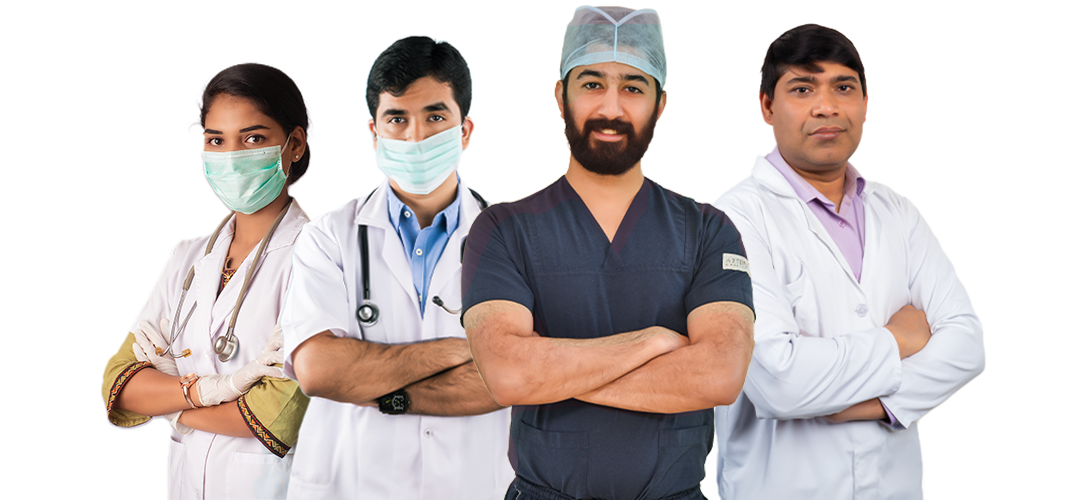
Shri Ram Hospital's orthopedic department provides access to specialists across different areas of orthopedic care. Patients can discuss their symptoms and treatment requirements during consultation and receive guidance based on their individual condition.
Orthopedic Specialists at Shri Ram Hospital
| Doctor | Qualification | Experience | Specialization |
|---|---|---|---|
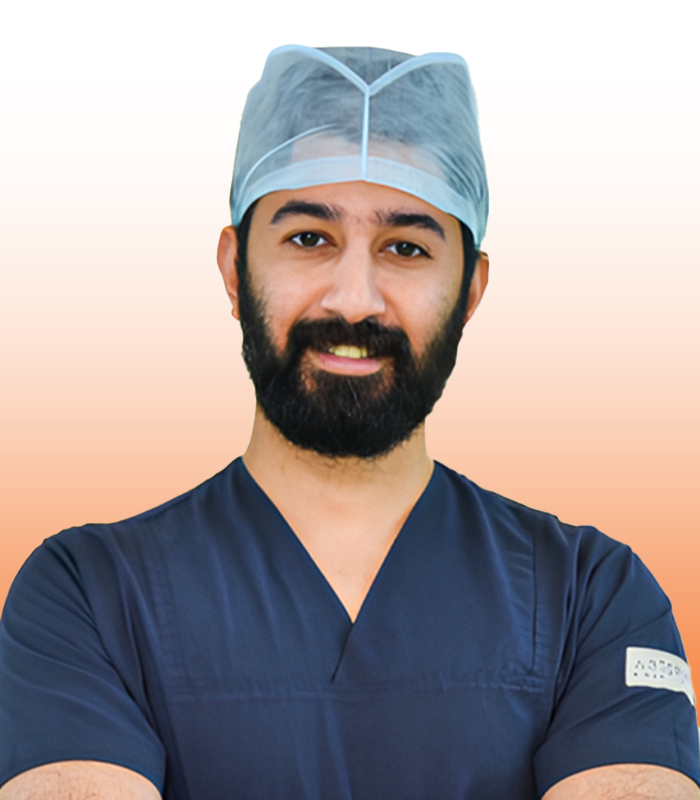
| Dr. Mohit Sharma | MBBS, M.S. (Orthopaedics) | 7+ Yrs Exp | Knee & Ligament Surgery |
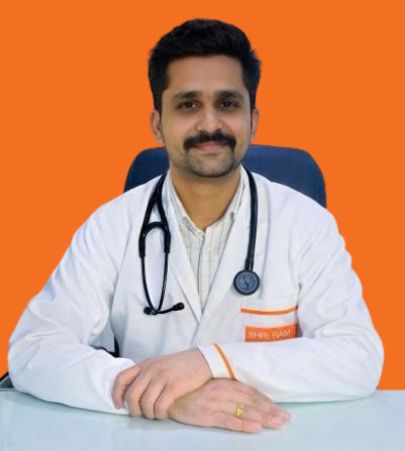
| Dr. Prince Maheshwari | MBBS, M.S. (Orthopedics) | 12+ Yrs Exp | Joint Replacement |
Important: The doctor names, qualifications, experience, specialization, and availability in the table should be populated from verified Shri Ram Hospital surgeon profiles before publication. The provided source does not supply these specific details, so they have been retained as placeholders rather than being filled with unverified information.
What an Orthopedic Doctor Can Help With
An orthopedic specialist can evaluate conditions affecting the bones, joints, ligaments, tendons, muscles, and related musculoskeletal structures. Depending on the diagnosis, treatment may involve conservative care, physiotherapy, medication, injections, arthroscopy, ligament reconstruction, fracture fixation, or joint replacement.
A detailed consultation also helps determine whether surgery is actually required. Diagnostic imaging and clinical examination are used together to develop an appropriate treatment plan rather than relying on symptoms alone.
Knee Pain Treatment
Knee pain is one of the most common reasons patients visit an orthopedic department. It can develop suddenly after an injury or gradually because of arthritis, degenerative joint changes, overuse, or other musculoskeletal conditions.
Identifying the specific cause of knee pain is important because treatment varies significantly between conditions. Persistent pain, swelling, instability, or difficulty walking should be evaluated by an orthopedic specialist.
Common Causes of Knee Pain
Osteoarthritis or Degenerative Joint Changes: Gradual wear of the joint can cause pain, stiffness, swelling, and reduced mobility.
Ligament Injuries: Injuries involving the ACL, PCL, MCL, or LCL can cause pain and instability, particularly after sports injuries or sudden twisting movements.
Meniscus Tears: Damage to the knee's meniscus may cause pain, swelling, clicking, locking, or difficulty with certain movements.
Tendinitis or Overuse Injuries: Repetitive physical activity can place excessive stress on tendons around the knee and result in pain or inflammation.
Post-Injury or Post-Traumatic Pain: Knee discomfort may continue following fractures, ligament injuries, or other trauma.
Referred Pain: In some cases, pain felt around the knee may originate from another area, including the hip or spine.
Diagnosis of Knee Pain
Diagnosis typically begins with a detailed clinical examination and medical history. Your orthopedic specialist evaluates the location and severity of pain, knee movement, stability, previous injuries, and functional limitations.
X-ray: X-rays help assess bone alignment, joint space, fractures, and degenerative changes.
MRI: MRI may be recommended when ligament, meniscus, cartilage, tendon, or other soft-tissue involvement is suspected.
The choice of investigation depends on the symptoms and findings during clinical examination.
Knee Pain Treatment Options
Treatment depends on the specific cause of knee pain, its severity, the duration of symptoms, and your activity goals. Not every patient with knee pain requires surgery.
Physiotherapy: Structured exercises can improve muscle strength, flexibility, balance, and knee function.
Activity Modification: Temporarily changing activities that worsen symptoms can help reduce stress on the knee and support recovery.
Anti-Inflammatory Medication: Medication may be prescribed when appropriate to help manage pain and inflammation.
Joint Injections: Selected patients may benefit from therapeutic joint injections depending on the underlying condition.
Arthroscopic Ligament Reconstruction: Selected patients with significant ligament injuries may require minimally invasive reconstruction to restore knee stability.
Meniscus Repair: Certain meniscus tears may be treated using arthroscopic repair depending on the location and characteristics of the tear.
Joint Replacement: Patients with severe degenerative joint disease and persistent symptoms despite conservative treatment may be considered for joint replacement.
The appropriate treatment should be determined after a specialist consultation and, when required, diagnostic imaging. The cause, severity, and individual activity goals all play an important role in treatment planning.
Ligament Tear & Knee Ligament Injury Treatment
A ligament tear occurs when the strong fibrous tissue connecting one bone to another is stretched beyond its normal limit or torn. Ligament injuries can occur during sports, sudden twisting movements, falls, or other forms of trauma.
The knee is particularly vulnerable to ligament injuries because several major ligaments work together to stabilize the joint during movement. These include the ACL (anterior cruciate ligament), PCL (posterior cruciate ligament), MCL (medial collateral ligament), and LCL (lateral collateral ligament).
Symptoms of a Knee Ligament Tear
The symptoms of a knee ligament tear can vary depending on the ligament involved and the severity of the injury. Common symptoms include:
- Popping sound or sensation: Some patients may hear or feel a pop at the time of injury.
- Sudden pain and swelling: Pain and swelling may develop shortly after the injury.
- Knee instability: The knee may feel unstable or seem as though it will "give way" during movement.
- Difficulty bearing weight: Walking or putting weight on the affected leg may become difficult.
- Reduced range of motion: Pain and swelling can make it difficult to fully bend or straighten the knee.
Knee Ligament Injury Treatment Options
Treatment for a knee ligament injury depends on the ligament involved, the extent of damage, whether the tear is partial or complete, and the patient's activity level and functional requirements.
Non-Surgical Management: Selected partial ligament tears may be managed without surgery using bracing, physiotherapy, rehabilitation, and activity modification. This approach may be considered particularly for less active patients or injuries where the knee remains sufficiently stable.
Arthroscopic Ligament Reconstruction: Minimally invasive surgery may be recommended for selected complete ligament tears, persistent knee instability, or active and athletic patients who require restoration of knee stability. During reconstruction, the damaged ligament is reconstructed using an appropriate graft.
Structured Rehabilitation: Rehabilitation is an important component of both surgical and non-surgical treatment. A structured program can help restore muscle strength, knee stability, flexibility, and range of motion while supporting a gradual return to normal activities.
Early orthopedic evaluation is important after a suspected ligament injury. An unstable knee ligament tear that is left untreated may increase the risk of additional injury to structures such as the meniscus and cartilage and may make subsequent treatment more complicated.
When to Consult an Orthopedic Specialist for a Ligament Injury
Consider an orthopedic consultation if knee pain and swelling persist after an injury, the knee repeatedly feels unstable, you have difficulty walking or bearing weight, or you experienced a popping sensation during the injury. A clinical examination and appropriate imaging can help determine the extent of ligament damage and guide treatment.
Bone and Joint Hospital Care Under One Roof
Patients searching for a bone and joint hospital near me often want access to comprehensive orthopedic services without having to visit multiple facilities for consultation, diagnosis, treatment, surgery, and rehabilitation.
At Shri Ram Hospital's orthopedic department, patients can access a range of bone and joint care services under one roof, including:
| Orthopedic Service | Care Provided |
|---|---|
| Orthopedic Consultation & Diagnosis | Evaluation of bone, joint, muscle, tendon, and ligament-related symptoms. |
| Fracture Management & Trauma Care | Care for simple, complex, and accident-related fractures and orthopedic trauma. |
| Joint Care & Preservation | Treatment approaches aimed at managing joint problems and preserving joint function where appropriate. |
| Sports Injury Treatment | Assessment and treatment of ligament, meniscus, tendon, and other sports-related injuries. |
| Arthroscopy | Minimally invasive procedures for selected knee and shoulder conditions. |
| Joint Replacement Surgery | Surgical treatment for selected patients with severe joint damage and persistent symptoms. |
| Physiotherapy & Rehabilitation | Rehabilitation support to help patients regain mobility, strength, and function. |
Coordinating diagnosis, orthopedic treatment, surgery, and rehabilitation within the same department can help reduce delays and keep the care team aligned throughout the patient's treatment journey.
Whether you need evaluation for a new injury or ongoing care for a chronic bone or joint condition, the orthopedic team can assess your condition and recommend the appropriate next steps based on your individual requirements.
Common Orthopedic Conditions We Treat
Shri Ram Hospital's orthopedic department provides care for a broad range of conditions affecting the bones, joints, ligaments, tendons, muscles, and related musculoskeletal structures. Each condition may require a different diagnostic and treatment approach.
Bone and Joint Disorders
Bone and joint disorders include conditions such as osteoarthritis, rheumatoid arthritis, joint pain, and degenerative joint disease. Treatment may focus on reducing symptoms, improving mobility, preserving joint function, and addressing the underlying condition.
Sports Injuries
Sports injuries can involve the ACL and other knee ligaments, meniscus, rotator cuff, tendons, and surrounding soft tissues. Depending on the injury, treatment may include rest and activity modification, physiotherapy, bracing, rehabilitation, arthroscopy, or reconstructive procedures.
Fractures and Trauma
Fractures and orthopedic trauma can range from straightforward fractures to complex injuries caused by accidents. Proper assessment helps determine the appropriate method of immobilization, fixation, or surgical management.
Pediatric Orthopedic Conditions
Pediatric orthopedic conditions can include knock knees, bow legs, and growth-related deformities. Evaluation is important because treatment requirements can differ depending on the child's age, growth stage, severity of the condition, and underlying cause.
Spine Conditions
The orthopedic department also addresses selected spine-related conditions, including neck pain, upper back pain, and disc disorders. The appropriate treatment depends on the cause and severity of symptoms and may include conservative management, physiotherapy, or specialist intervention.
Hand and Finger Conditions
Hand and finger conditions can affect movement, grip, strength, and everyday activities. Finger joint pain and knuckle pain may have different causes, making appropriate clinical evaluation important for selecting treatment.
Why Patients Trust Shri Ram Hospital's Orthopedic Department
Choosing the right orthopedic department is important when you are dealing with persistent joint pain, a sports injury, fracture, ligament tear, arthritis, or another musculoskeletal condition. Shri Ram Hospital's orthopedic department focuses on combining specialist evaluation, advanced diagnostics, modern surgical facilities, and rehabilitation to provide coordinated care throughout the treatment journey.
Experienced Orthopedic Surgeons Across Sub-Specialties
Our orthopedic department brings together experienced specialists with expertise across different areas of orthopedic care. This allows patients to receive evaluation and treatment according to the specific condition affecting their bones, joints, ligaments, muscles, or tendons.
Advanced Imaging and Diagnostics On-Site
Accurate diagnosis is an important part of orthopedic treatment. Access to advanced imaging and diagnostic facilities, including X-ray, ultrasound, MRI, and CT, supports the evaluation of injuries, degenerative conditions, fractures, ligament problems, and other musculoskeletal concerns.
Sports Injury and Ligament Tear Expertise
Sports-related injuries can affect the knee, shoulder, and other joints. The orthopedic department provides assessment and treatment for conditions such as ACL and other ligament injuries, meniscus tears, tendon injuries, and related sports injuries. Depending on the injury, treatment may include rehabilitation, bracing, activity modification, arthroscopy, or ligament reconstruction.
Modern Operation Theatres
For patients who require surgery, Shri Ram Hospital has modern operation theatre facilities suitable for selected arthroscopic and open orthopedic procedures. Surgical treatment is considered based on the patient's diagnosis, severity of the condition, symptoms, functional requirements, and response to other treatment options.
Personalized, Evidence-Based Treatment Plans
Orthopedic conditions can affect patients differently. Our treatment approach is therefore based on the individual patient's condition rather than a one-size-fits-all approach. The orthopedic team considers clinical findings, diagnostic imaging, symptoms, activity requirements, and treatment goals when developing a care plan.
Comprehensive In-House Rehabilitation
Rehabilitation is an important part of recovery after many orthopedic injuries and procedures. In-house physiotherapy and rehabilitation can support the recovery process by focusing on mobility, strength, flexibility, stability, and functional movement.
Patient-Centered Care From Diagnosis Through Recovery
From the initial orthopedic consultation and diagnostic evaluation to treatment, surgery when required, and rehabilitation, the department aims to provide coordinated and patient-centered care. Keeping these stages connected can help patients understand their treatment plan and follow the recommended recovery pathway.
Comprehensive Orthopedic Care in Delhi
Whether you are searching for an orthopedic doctor in Delhi, treatment for knee pain, ligament injury management, fracture care, sports injury treatment, arthritis management, or joint replacement, Shri Ram Hospital's orthopedic department provides a range of services under one roof.
If you are experiencing persistent pain, restricted movement, joint instability, or symptoms following an injury, an orthopedic consultation can help identify the underlying cause and determine the appropriate next step.
Book an Orthopedic Consultation
Early evaluation can be helpful when orthopedic symptoms persist or interfere with everyday activities. Consult an orthopedic specialist for a clinical assessment and personalized treatment plan based on your condition.